Vietnam Plans to Invest Over 17.5 Trillion VND in Railway Industry Complex
en.Wedoany.com Reported - The Vietnamese government held a special meeting on the investment plan for the railway industry complex. Vietnamese Deputy Prime Minister Pham Gia Tuc agreed that the Ministry of Construction should lead the organization and preparation of the pre-feasibility study report for the project investment. The project plans to build a railway industry complex of approximately 250 hectares in Hanoi, aimed at developing capabilities in railway vehicle assembly, maintenance, parts manufacturing, and related supporting industries. The Vietnamese government had previously included this project in the national railway industry development arrangements. This meeting marks the project's further progression from preliminary scheme research into the pre-feasibility study stage for investment.
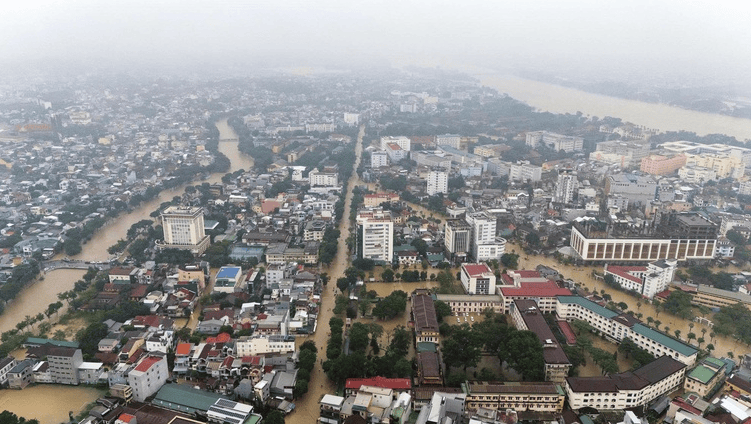
Vietnam Railways had previously proposed that the project be located in the southern area of Hanoi, with a planned area of approximately 250 hectares, organized around functions such as railway vehicle manufacturing, maintenance, supporting components, and technology research and development. When the Vietnamese government adjusted the railway network plan in 2025, it officially added a railway industry complex of approximately 250 hectares to the Hanoi railway hub, planned in the Chuyên Mỹ and Ứng Hòa areas, providing a planning basis for subsequent project investment.
According to the preliminary scheme, the project's initial total investment exceeds 17.5 trillion VND, proposed to use state fiscal public investment funds, with land acquisition and site leveling costs not yet included in this investment estimate. The project is planned to be divided into approximately 25 functional zones, covering railway vehicle assembly, overhaul, key parts production, technology research and development, and related industrial supporting facilities. Vietnam Railways had previously suggested that it serve as the project's governing body, but the September 15 meeting clarified that the Ministry of Construction should lead the organization of the project's pre-investment research.
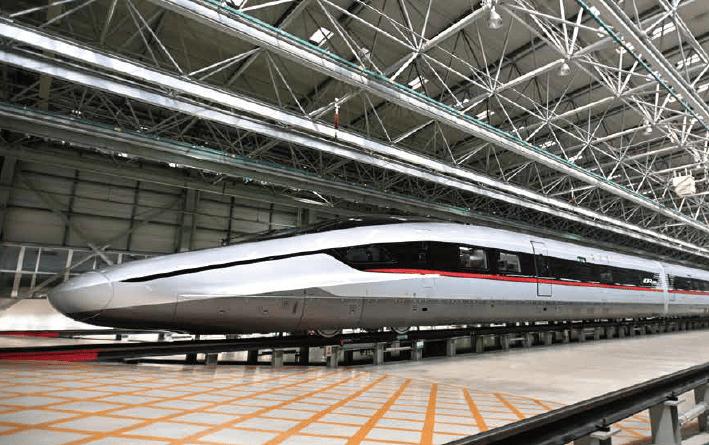
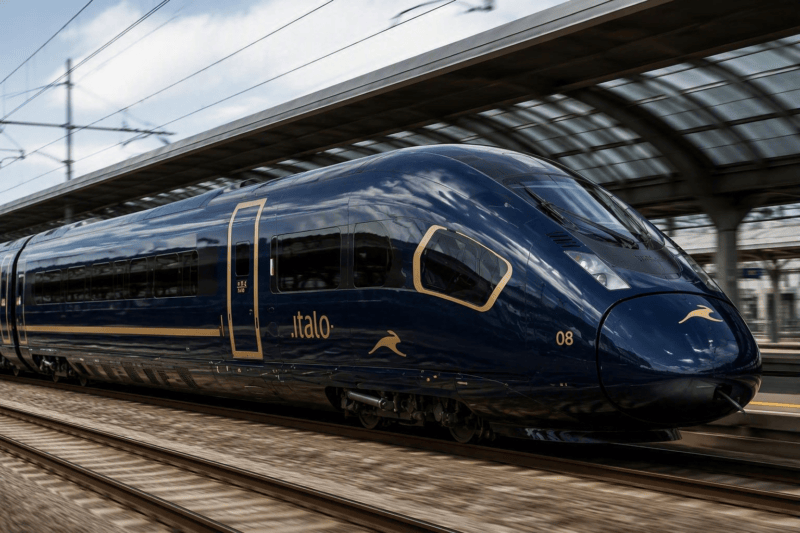
The project plans to develop railway vehicle manufacturing capabilities in phases. The preliminary scheme proposes that the first phase mainly involves building infrastructure and installing production equipment, with a focus on developing assembly capabilities for electric locomotives, 160 km/h-class passenger cars, and urban rail transit electric multiple units; subsequent phases will further increase the local manufacturing ratio and gradually advance the independent production of bogies, car bodies, and other key components and materials. The project's overall construction content includes not only a complete vehicle assembly plant but also plans for a maintenance center, supporting parts manufacturing facilities, and a technology research and innovation platform.
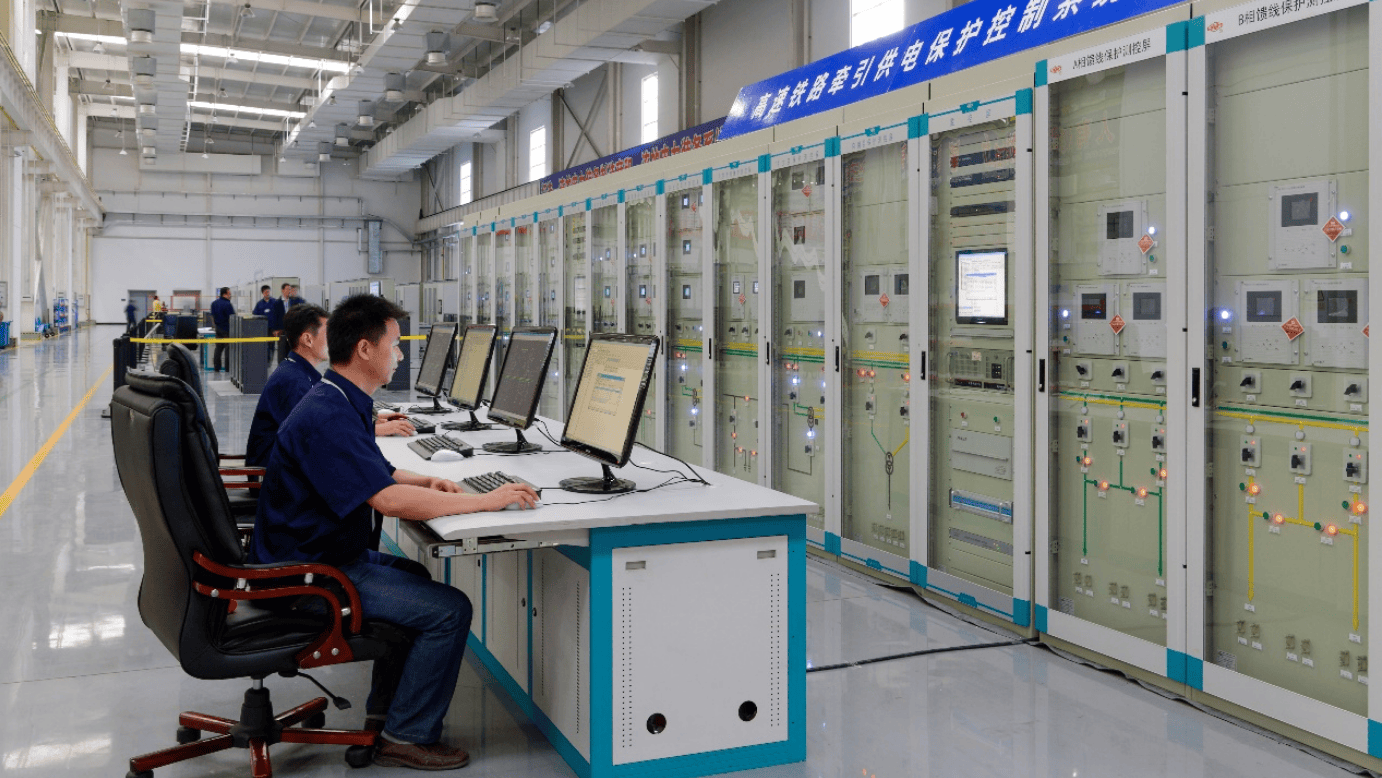
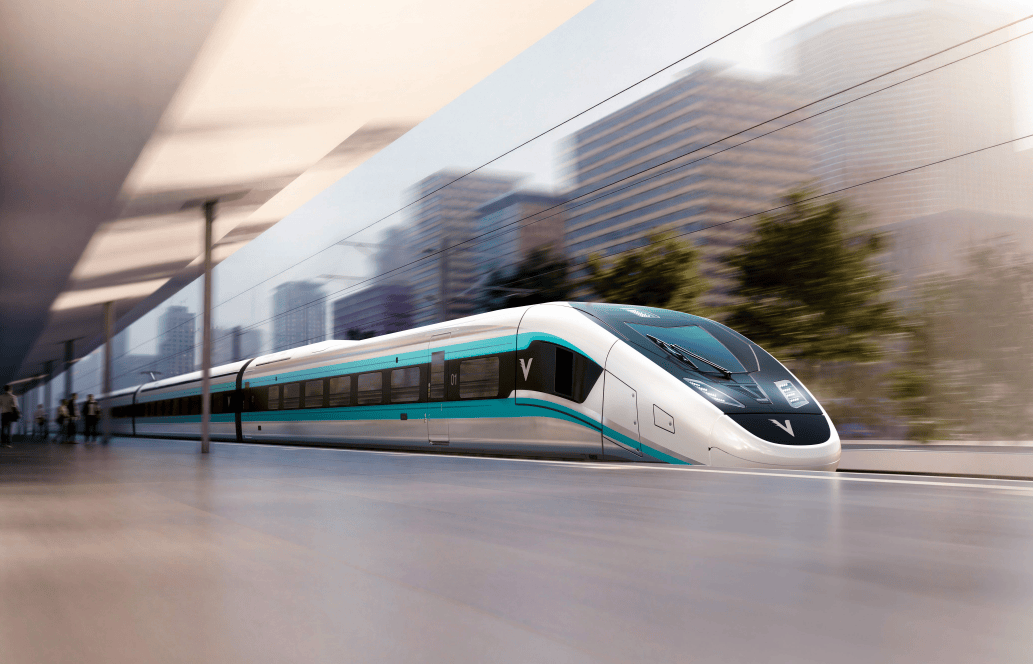
This industrial complex will directly connect with the equipment needs of Vietnam's future railway construction projects. The Vietnamese government has clearly committed to advancing the North-South high-speed railway and multiple railway projects connecting to China, and requires the simultaneous development of railway equipment, specialized materials, electric traction, communication signals, and related supporting industries. The railway industry development arrangements previously announced by the government propose formulating a railway industry development plan through 2035 and clarifying the technical roadmaps for vehicles, materials, traction power supply, communication signals, and auxiliary industries.
The Vietnamese Ministry of Construction proposed at the September meeting that the railway industry complex needs to determine its product system and production capacity based on different stages such as railway project design, construction, equipment procurement, operation, and maintenance, and simultaneously study technology transfer, talent cultivation, local enterprise participation ratio, and localization rate. The Ministry of Finance will coordinate project funding arrangements, the Ministry of Industry and Trade is responsible for railway industry development-related schemes, and the Hanoi municipal government will continue to advance land planning and project land use management.
After the project is completed, the product system will target Vietnam's future railway construction and operation needs, covering vehicle assembly, maintenance, and the manufacturing of some key components. According to the railway industry policy previously established by the Vietnamese government, local manufacturing capacity building will be advanced in parallel with high-speed railways, urban rail transit, and the modernization of existing railways. The pre-feasibility study of subsequent projects will further clarify the investment scale, construction scheme, implementing entity, funding arrangements, and production capacity at each stage.