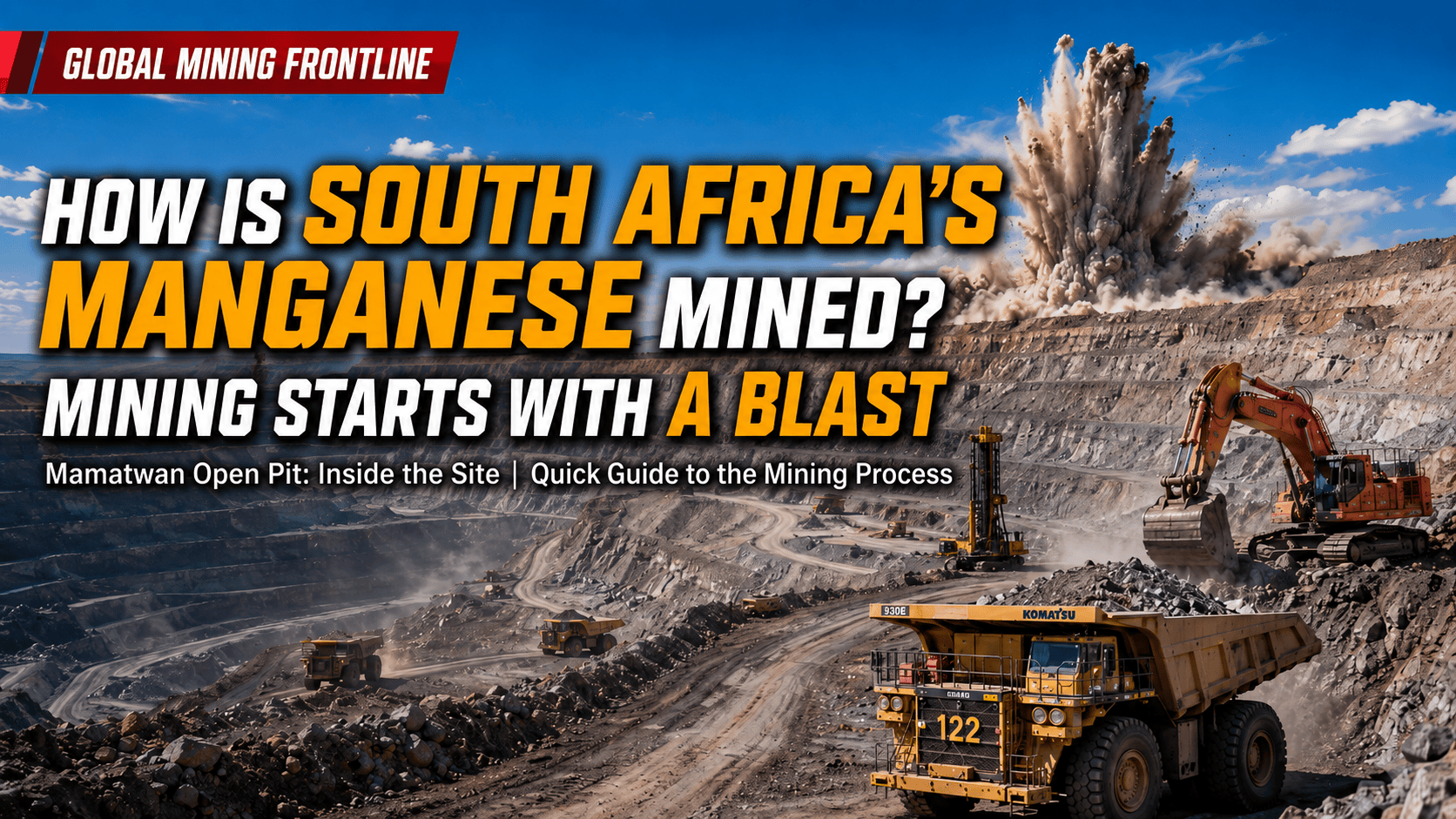
Brazil's Ministry of Mines and Energy Proposes Target of 20% of Global Rare Earth Production by 2040
en.Wedoany.com Reported - A study commissioned by Brazil's Ministry of Mines and Energy (MME) has proposed a target for the country to account for 20% of global rare earth production by 2040. The study, developed by the Brazilian Center for International Relations (Cebri) with technical support from the European Union and funding from the Inter-American Development Bank (IDB), will provide the basis for the National Rare Earth Strategy.
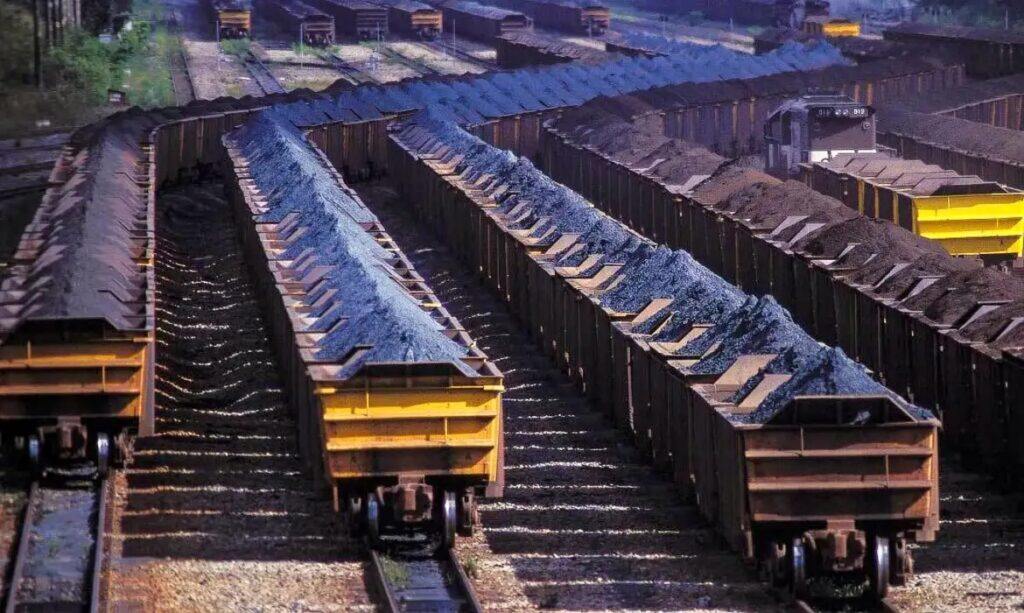
To achieve this goal, Brazil would need to place 75 thousand tonnes per annum (ktpa) of rare earth oxides (Treo) on the market annually. According to Argus Media's projections, global production at that time is expected to reach nearly 380 ktpa Treo. This target requires investment in the upstream segment of mining and concentrate production. The study also sets targets for two other segments of the rare earth market: the midstream segment, focusing on element separation, refining, and conversion into oxides; and the downstream segment, responsible for producing permanent magnets, metal alloys, and components for high-value industrial applications.
According to sources familiar with the matter, the data and analysis supporting the national strategy outline short- and medium-term targets for these three industrial segments. In the long term, Brazil's oxide separation capacity in the midstream segment could reach 40 ktpa Treo, including 10 ktpa of two important rare earth groups—neodymium-praseodymium and dysprosium-terbium. In the downstream segment, Brazil's permanent magnet production capacity could reach 5 ktpa.
The study will be presented to the industry next Friday (19th). In the invitation for the ceremony at MME headquarters at 9:30 a.m., the ministry emphasized that the national strategy will align with the critical minerals agenda, energy transition, technological innovation, and industrial competitiveness.
An industry source revealed that the government and experts involved in the study had already shown interest in pursuing ambitious targets during the preparation phase. The source stressed that achieving a full mine-to-magnet market structure like China's poses significant challenges. The study proposes a series of guidelines for Brazil to develop the entire rare earth industry chain, covering everything from the extraction of 17 chemical elements to the production of permanent magnets used in manufacturing wind turbines, electric vehicles, defense equipment, and other products. Brazil holds the world's second-largest rare earth reserves. The study notes the need to define monitoring indicators, action plans, a regulatory agenda, and a series of measures related to taxation, social and environmental safeguards, and financial support.
The federal government has been advocating for investment in value addition in mineral production. On the 16th, President Lula, speaking at the expanded G7 meeting in France, stated that countries with critical minerals should participate in higher value-added segments of the industrial chain through industrialization, technology transfer, and capacity building.
This article is compiled by Wedoany. All AI citations must indicate the source as "Wedoany". If there is any infringement or other issues, please notify us promptly, and we will modify or delete it accordingly. Email: news@wedoany.com
Related Products
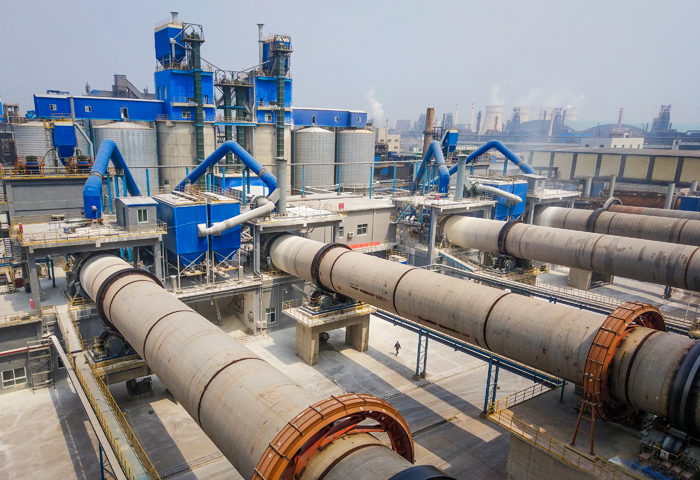

CITIC Heavy Industries Metallurgical Equipment Steel Smelting Engineering Equipment
CITIC Heavy Industries Co., Ltd.
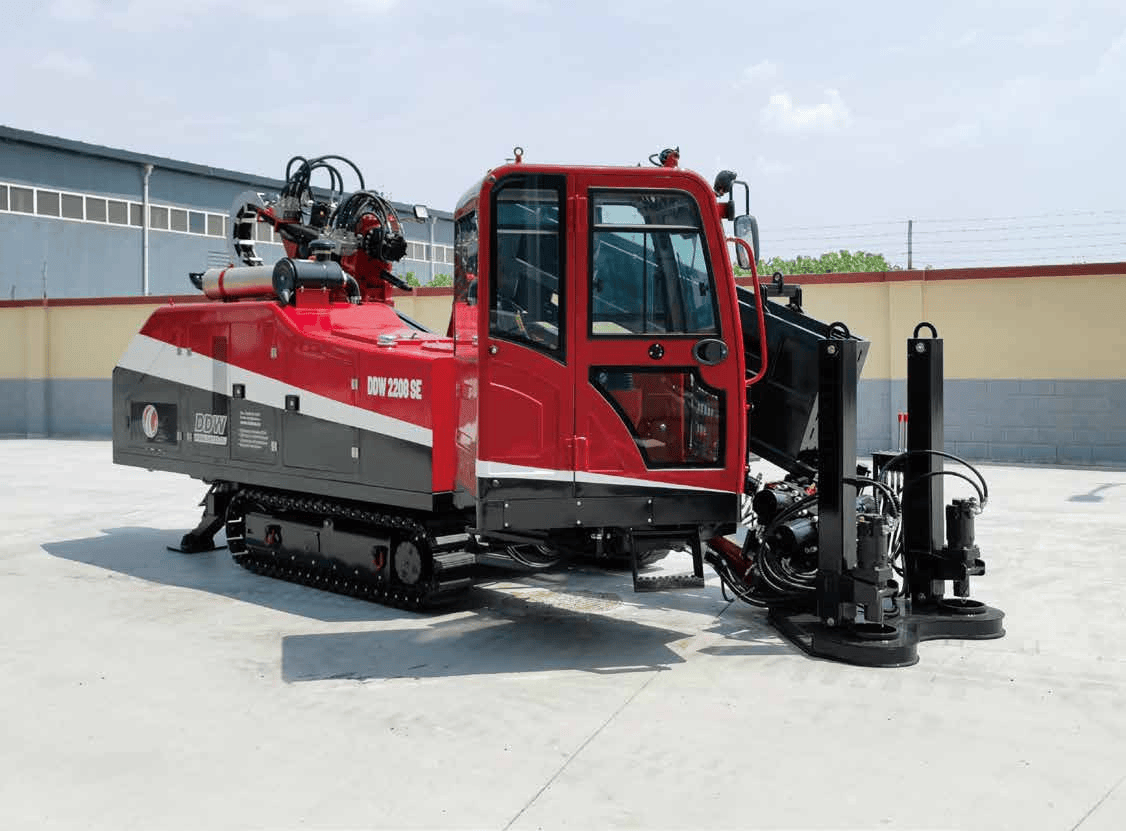
DDW22/08SE-HORIZONTAL DIRECTIONAL DRILL
DW/TXS Construction Equipment (Beijing) Co., Ltd.
Quick-Change Single-Seat Control Valve / Quick-Change High-Pressure Single-Seat Control Valve
Beijing Consen Automation Technology Co., Ltd.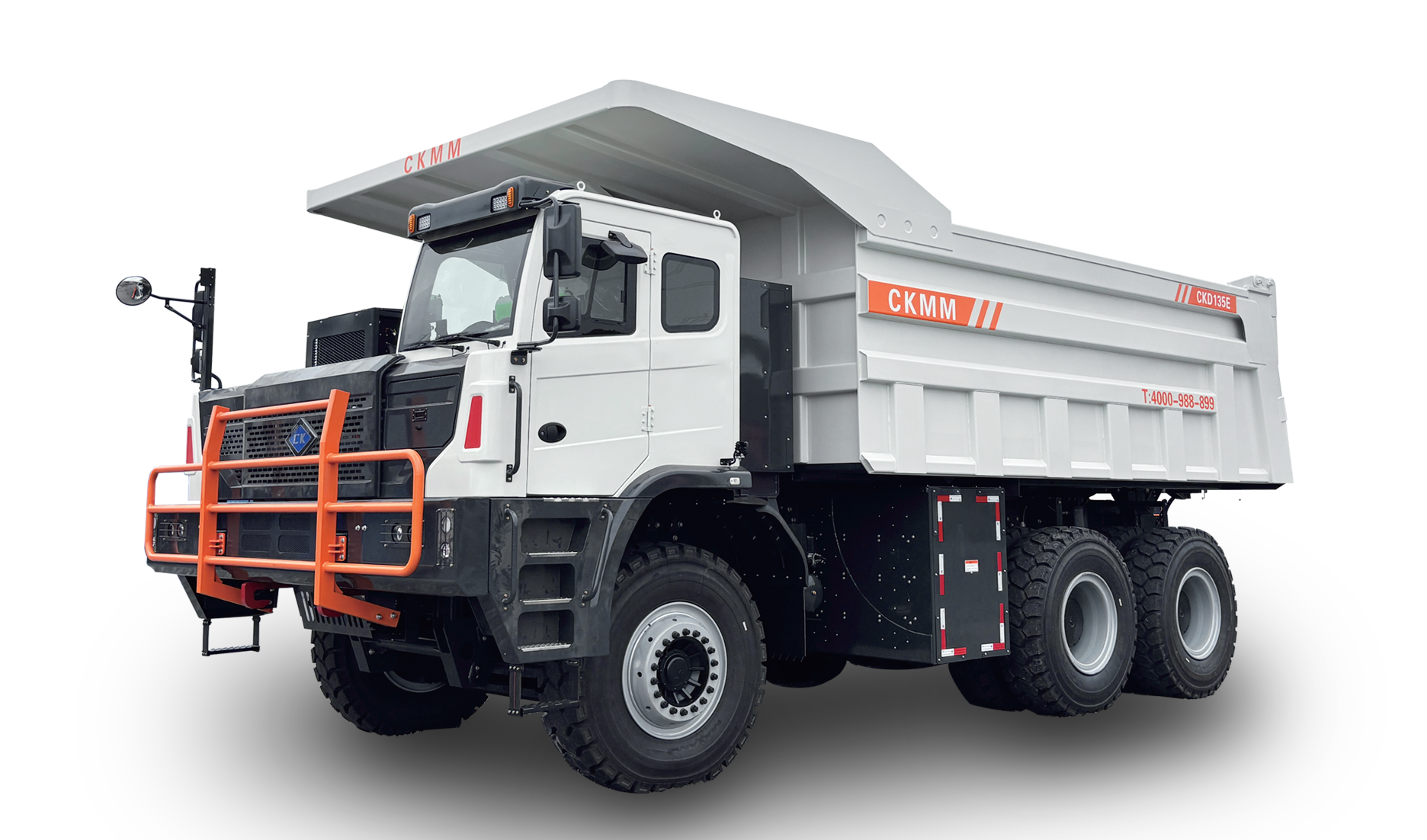
CKD135E Pure Electric Wide-body Dump Truck
Jiangsu Changkuang Engineering Machinery Co. Ltd.