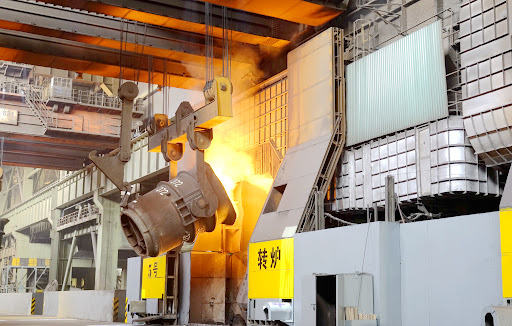
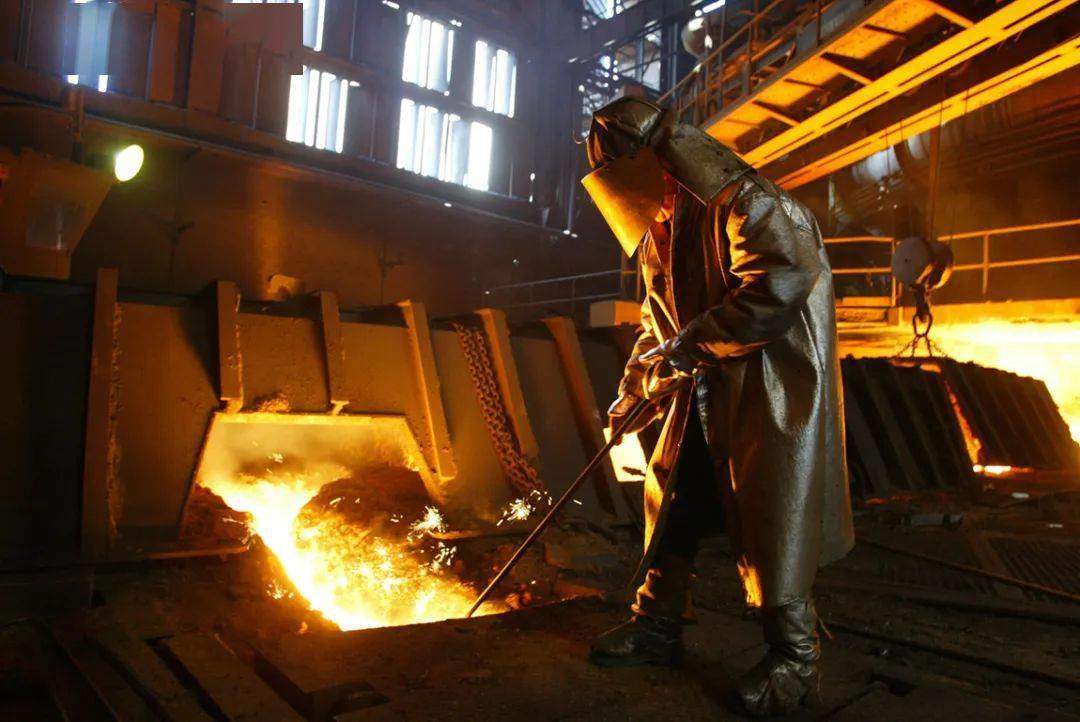
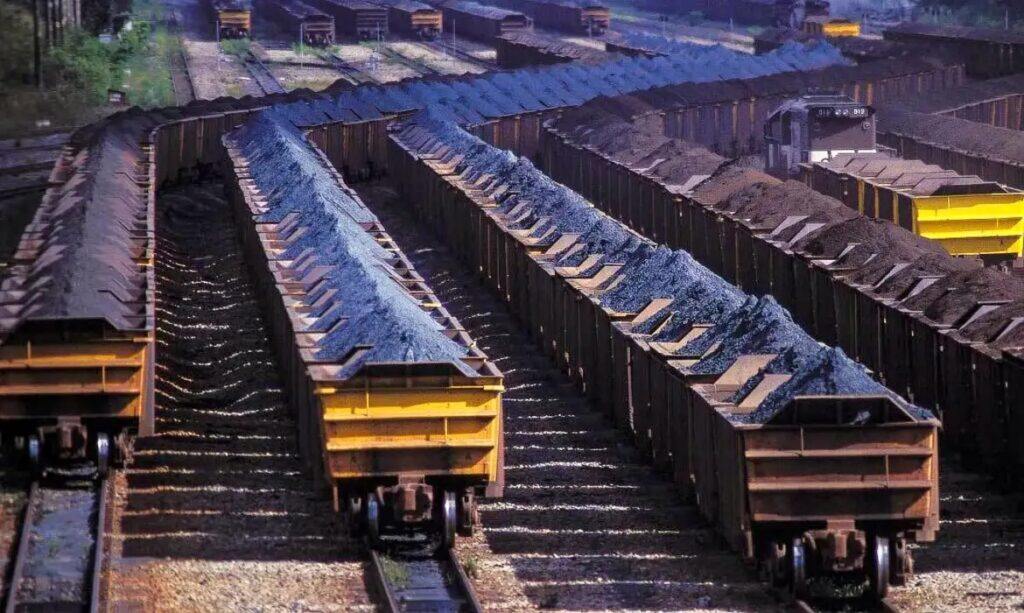
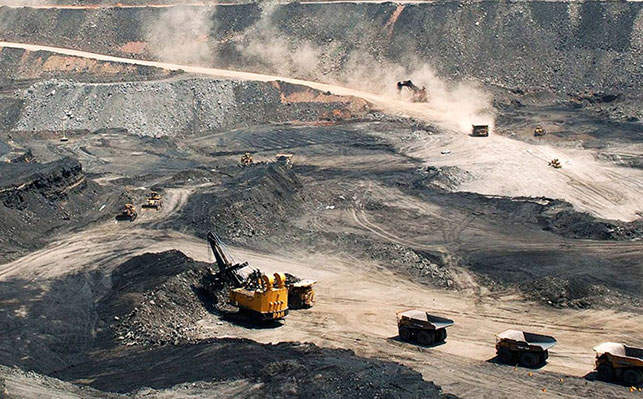
en.Wedoany.com Reported - South Korea's POSCO announced on June 17 that a large-scale electric arc furnace (EAF) at its Gwangyang Steel Works in South Jeolla Province has been officially completed and put into operation. With an annual crude steel production capacity of 2.5 million tons, it is the largest EAF in South Korea by single-unit capacity. Construction began in February 2024, involving approximately 270,000 man-days of labor and an investment of about 600 billion KRW (approximately $397 million). POSCO stated that the facility uses scrap steel as the primary raw material to produce crude steel. Based on the company's 2017-2019 average emission baseline and crude steel Scope 1&2 calculations, this EAF can reduce carbon emissions by up to about 75% compared to the blast furnace-basic oxygen furnace (BF-BOF) long process. The actual emission reduction will also be influenced by factors such as scrap steel supply and the power structure.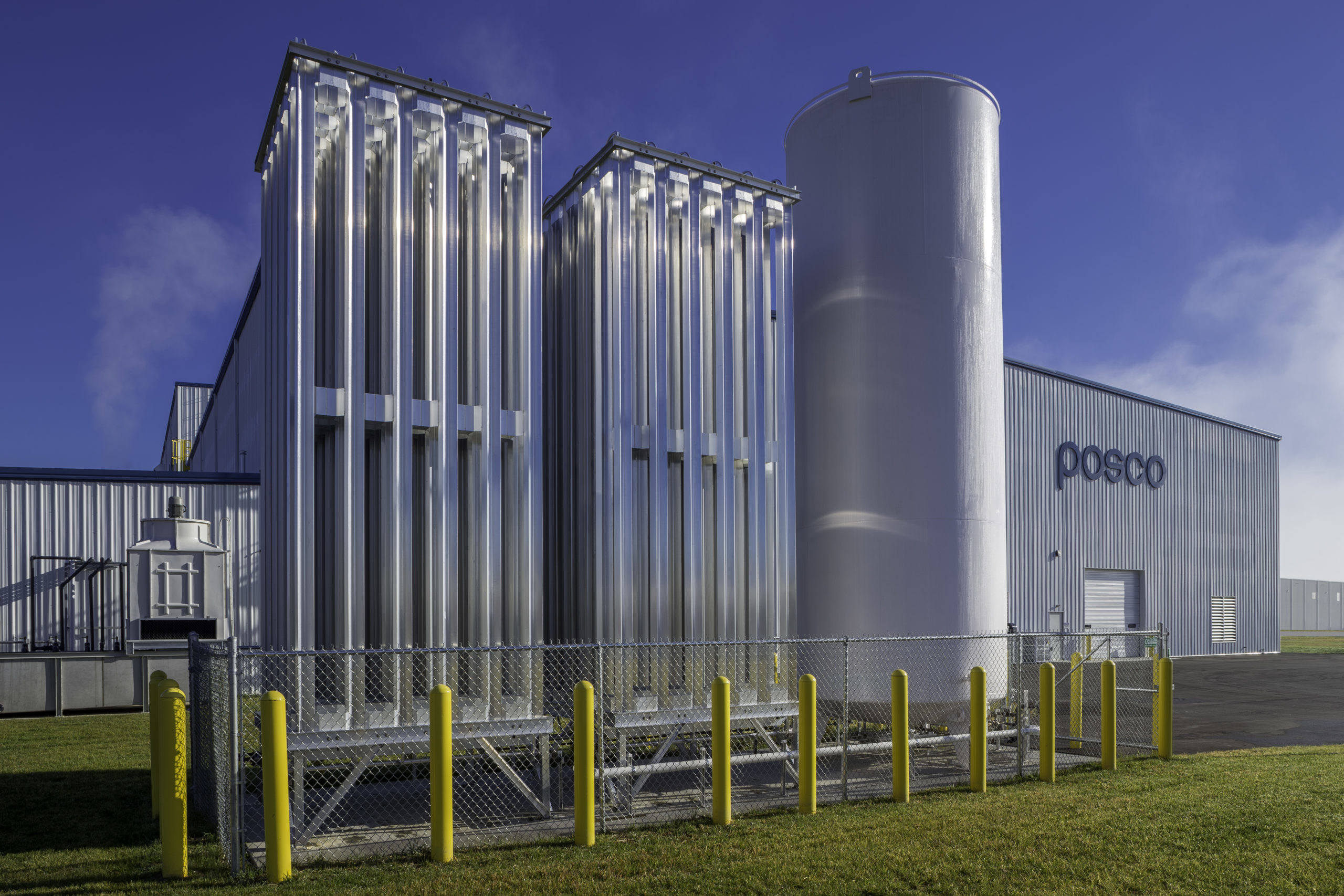
Building this EAF is a key action for POSCO to respond to domestic and international decarbonization policies and customer demand for low-carbon steel. With South Korea's national greenhouse gas reduction targets, the fourth-phase emissions trading system, and the EU Carbon Border Adjustment Mechanism (CBAM) advancing successively, the new EAF will serve as a transitional role in emission reduction and low-carbon product supply before the hydrogen reduction ironmaking technology HyREX is commercialized. POSCO also plans to build a 300,000 ton/year HyREX demonstration facility, aiming to complete the commercial development of this technology by 2030.
The Gwangyang Steel Works is one of POSCO's major integrated production bases in South Korea. Around the newly operational EAF, POSCO is developing the "Hap-tang" technology, which mixes molten steel from the EAF with hot metal from the blast furnace for refining, aiming to balance emission reduction effects with the demand for high-end steel production. EAF-based high-end steel has been listed by POSCO as one of its eight strategic products, and the company plans to achieve mass production of automotive steel sheets and electrical steel sheets by 2030.
This article is compiled by Wedoany. All AI citations must indicate the source as "Wedoany". If there is any infringement or other issues, please notify us promptly, and we will modify or delete it accordingly. Email: news@wedoany.com