en.Wedoany.com Reported - Singularity Energy's first energy storage project in Japan—the Japan Experimental Bureau Solar-Storage Hybrid Project—was recently connected to the grid and commissioned, marking the company's entry into one of the global energy storage markets with high entry barriers.
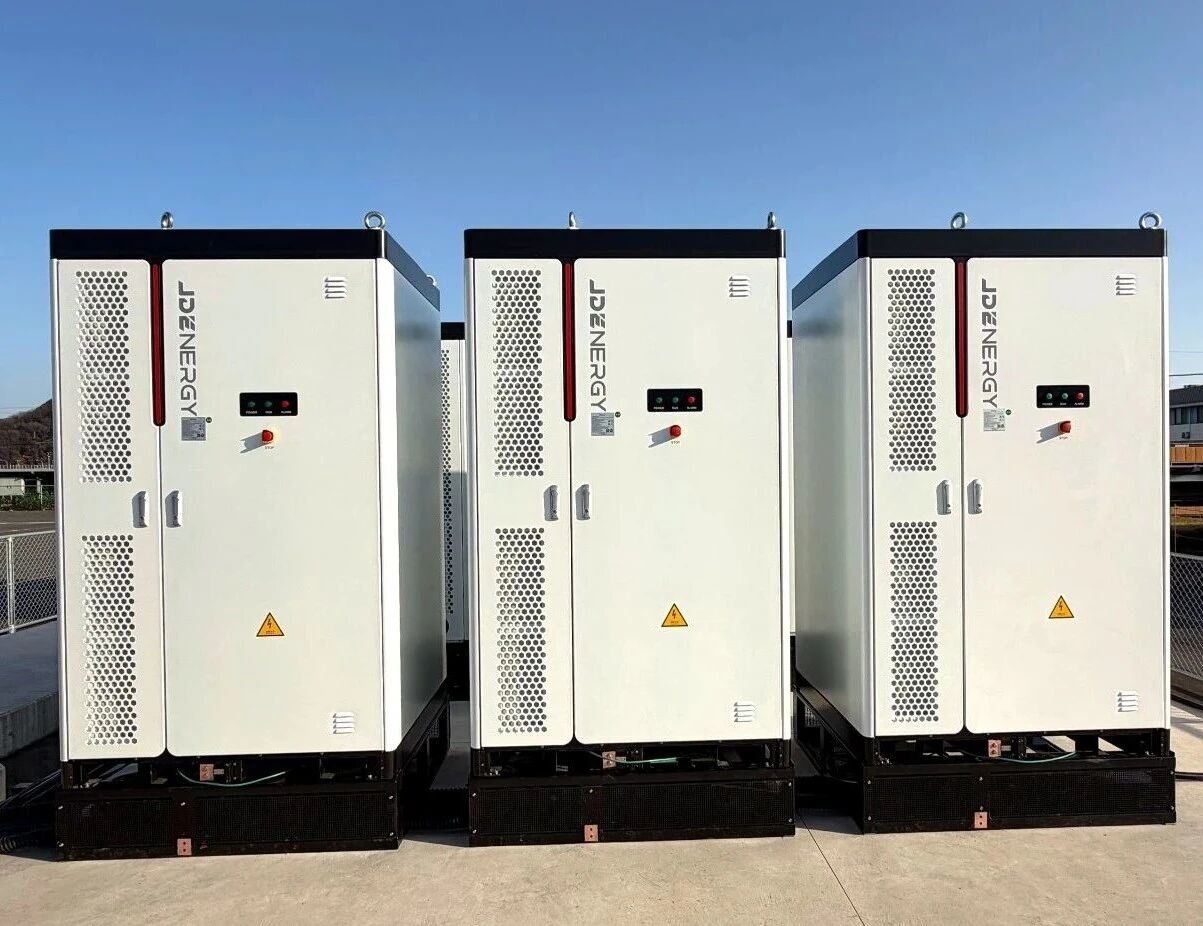
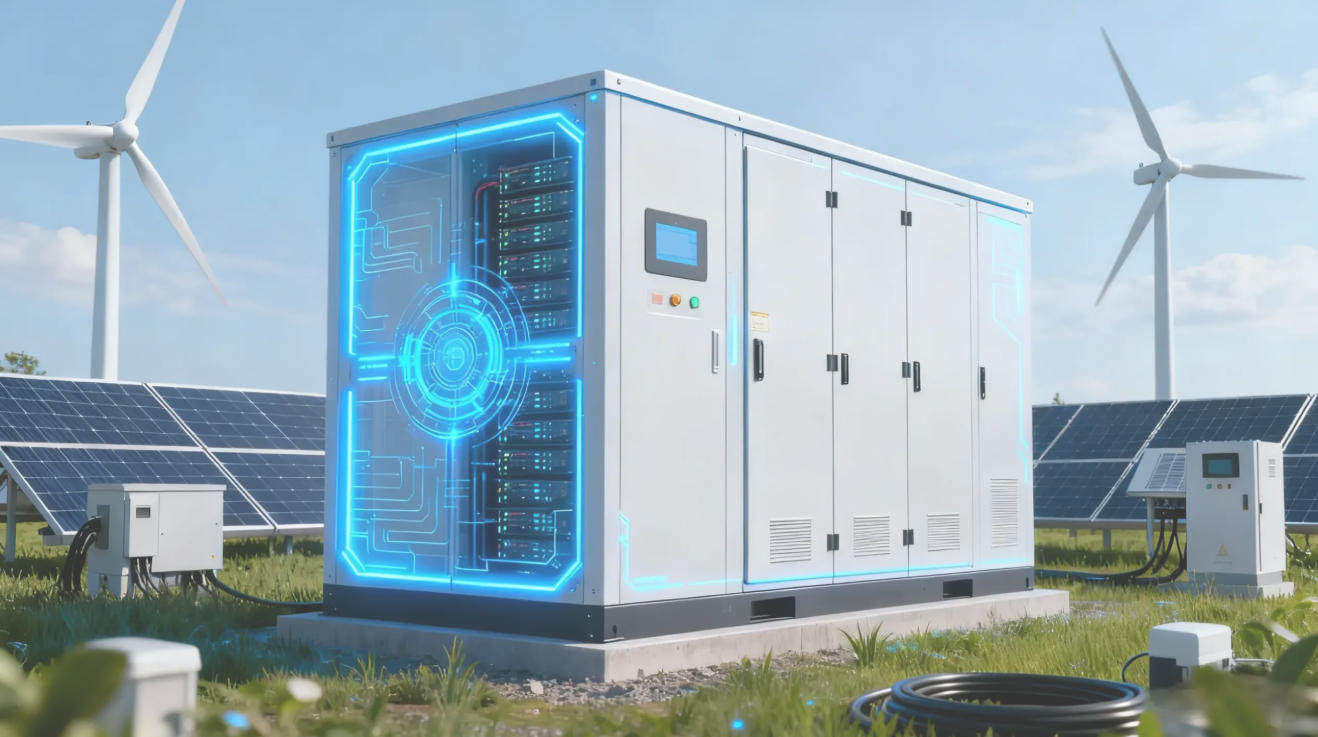
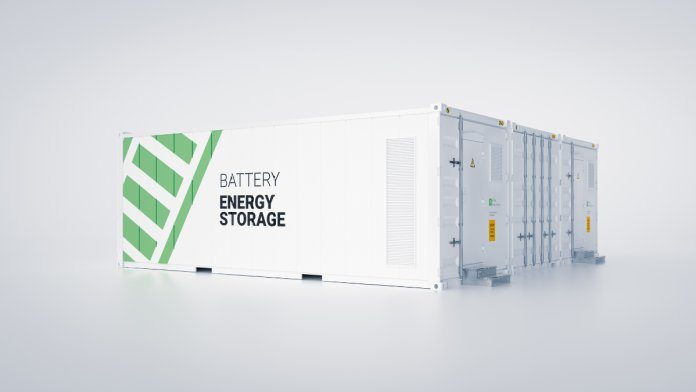
The project adopts Singularity Energy's distributed modular energy storage system solution, with a construction scale of 1MW/2.5MWh, consisting of 6 eBlock-418A energy storage cabinets and 1 eLink-16C control cabinet. The eBlock-418A features a standardized modular design, supporting flexible capacity expansion and convenient maintenance; the eLink-16C is responsible for site-wide energy management and high-precision grid connection control.
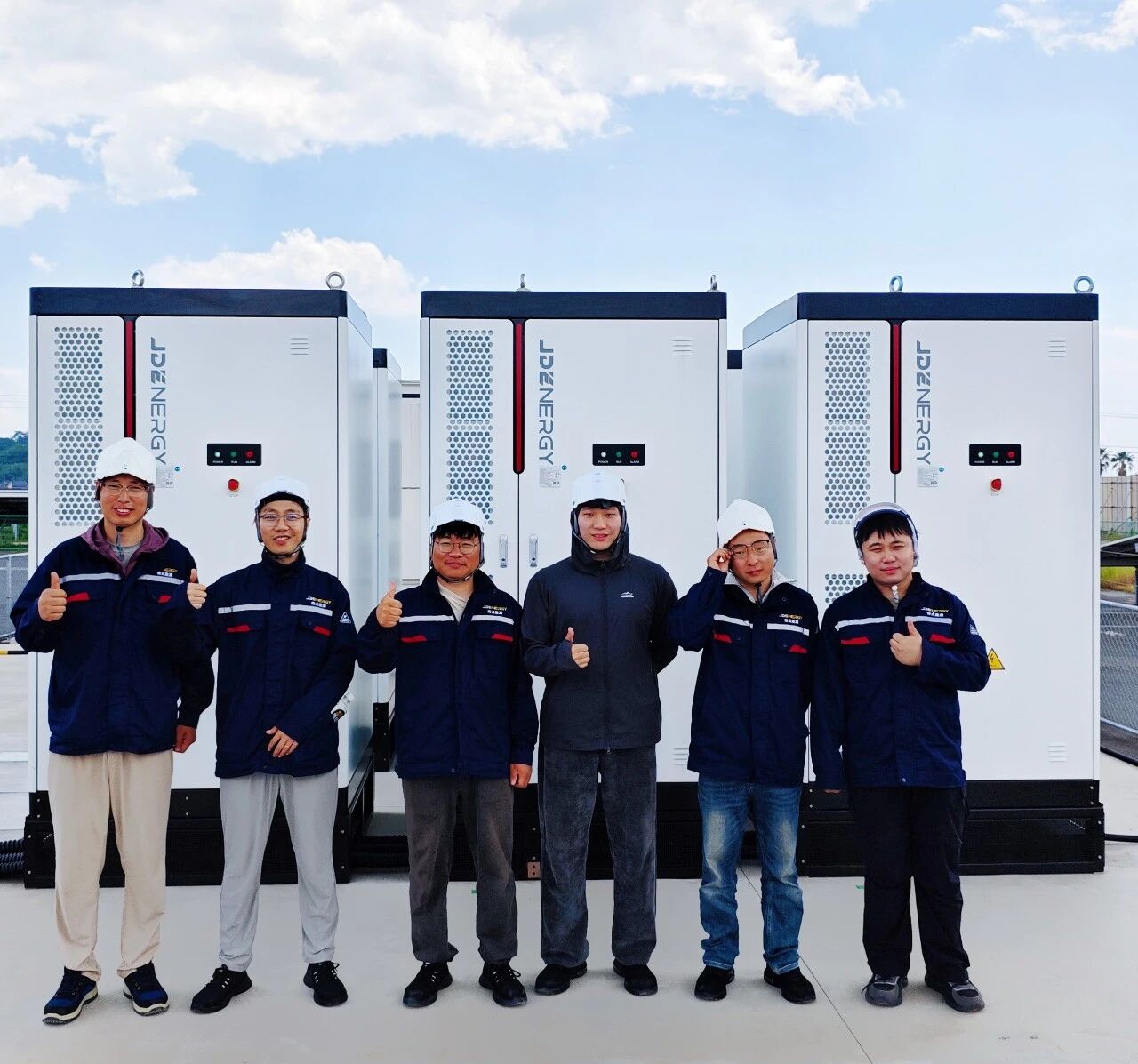
After commissioning, the project enables efficient coordination between photovoltaic power generation and energy storage, improving the local consumption rate of renewable energy and reducing curtailment. The system features millisecond-level response capability, actively participating in primary frequency regulation of the grid, quickly smoothing frequency fluctuations, and providing active power support to the regional grid. Additionally, the system supports receiving dispatch commands from remote aggregator EMS systems and power companies, achieving optimal economic control of the entire site's solar-storage output.
In terms of operation mode, the project meets the complex application requirements of solar-storage power stations in the Japanese market, flexibly accessing the power balancing market, providing ancillary services such as frequency regulation, and supporting electricity sales to the grid, enabling "full-scenario power trading" and forming a stable and diversified revenue loop.
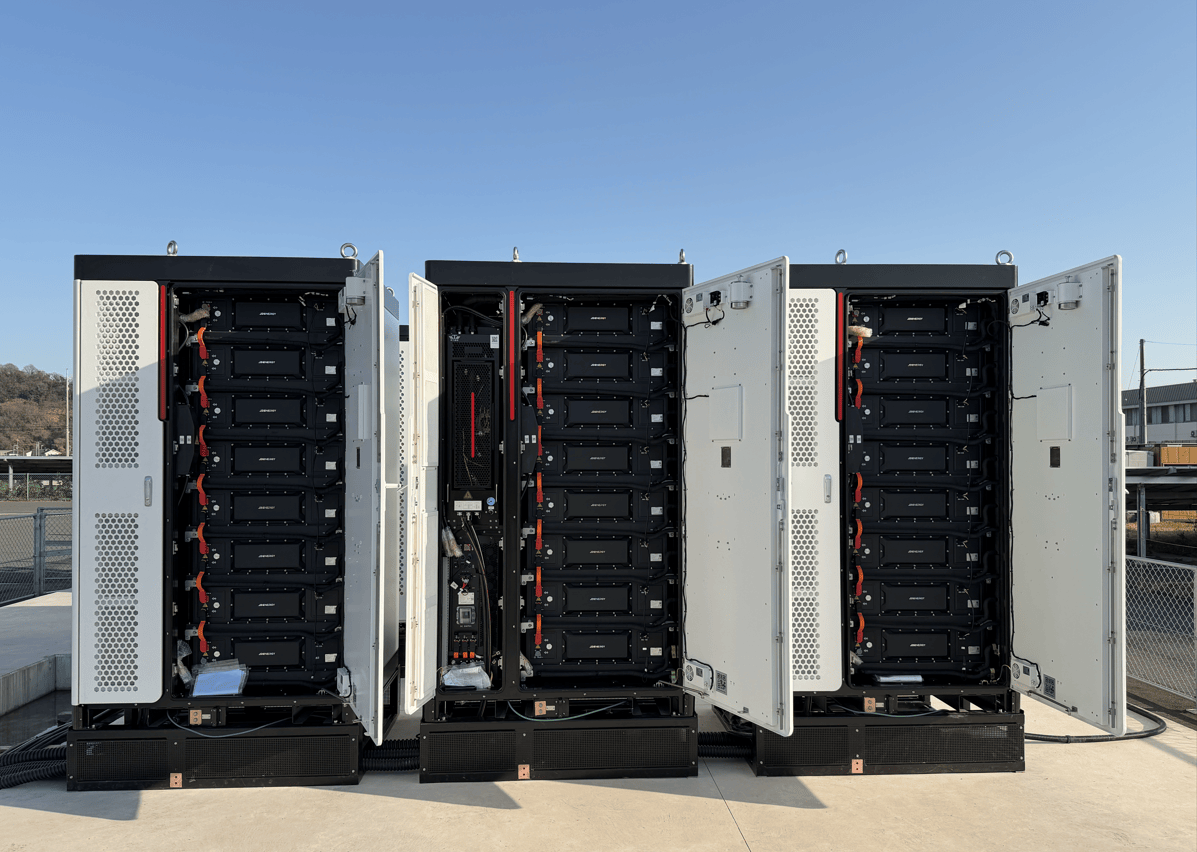
The Japanese grid has a complex structure, with high requirements for the stability, dynamic response speed, and safety of grid-connected equipment. The market access certification system is relatively strict, and energy storage systems must pass tests and evaluations in multiple dimensions, including islanding protection, fault ride-through, active/reactive power control, and frequency response. The successful grid connection of this project demonstrates that Singularity Energy's energy storage system meets the access standards of the Japanese market in terms of grid adaptability, safety design, and core performance indicators, laying the foundation for the company to further explore overseas markets.
To match the frequency characteristics and localization needs of the Japanese grid, Singularity Energy's R&D team conducted customized product development based on the distributed modular technology route. The team completed the customization, testing, and delivery of the new product within 5 months.
With the project's implementation, Singularity Energy has made its debut in the Japanese market, showcasing its technical expertise and engineering capabilities in the energy storage field. In the future, the company will continue to deepen energy storage R&D and applications, contributing to the global low-carbon energy transition.
This article is compiled by Wedoany. All AI citations must indicate the source as "Wedoany". If there is any infringement or other issues, please notify us promptly, and we will modify or delete it accordingly. Email: news@wedoany.com