
Brazil's Expobor Exhibition to Focus on $4.1 Billion Rubber Products Market
en.Wedoany.com Reported - According to data from the Brazilian Rubber Products Industry Association (ABIARB) and the Union of the Rubber Products and Tire Retreading Industry of São Paulo State (SINDIBOR), Brazil's rubber products industry comprises over 4,200 active companies, directly creating 48,700 jobs, with an apparent consumption value of $4.1 billion. The main product segments of the industry include: conveyor belts and transmission belts (17.6%), hoses, tubes, and pipes (16.4%), unvulcanized rubber compounds and semi-finished products (14.4%), automotive parts and accessories, door mats and carpets (11.2%), as well as gaskets, seals, anti-vibration mounts, and sealing systems (10%), supplying key industrial chains such as automotive, mining, agriculture, construction, sanitation, energy, transportation, and consumer goods.
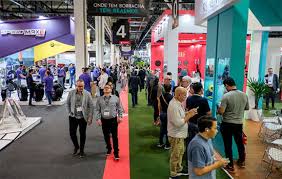
The economic and technological importance of this market will be highlighted at the 2026 Expobor Exhibition. As the main exhibition for the rubber products industry chain in Latin America, it will be held from June 23 to 25 at the Expo Center Norte in São Paulo, bringing together manufacturers, suppliers, processors, research centers, and experts to discuss trends, innovation, sustainability, foreign trade, and challenges in industrial competitiveness. Currently, the Brazilian industry is facing increasing international competitive pressure. Last year, domestic production totaled $2.7 billion, a 10% decline from the previous period, while imports grew by 12% to $1.7 billion, and total exports amounted to $372 million.
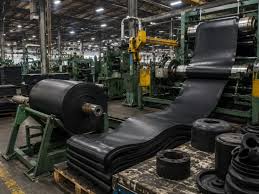
Reynaldo Lopes Megna, Executive President of ABIARB and SINDIBOR, and Executive Director of the São Paulo State Tire Retreading Enterprises Association (Aresp), stated that a strategic agenda to strengthen the domestic industrial chain is currently needed. He emphasized that the solution lies in engineering, customization, fast delivery, technical support, and close relationships with customers—attributes where the Brazilian industry holds significant advantages. In 2006, Brazilian manufacturers accounted for 91% of domestic apparent consumption; today, that figure has dropped to 58%, while the market share of imported products has increased from 9% to 42% over the same period. China has become the main supplier to the Brazilian market, accounting for approximately 25% of imports, followed by the United States (14%). Additionally, countries such as India, Thailand, Vietnam, and Indonesia have expanded their presence, reflecting the global restructuring of supply chains.
This article is compiled by Wedoany. All AI citations must indicate the source as "Wedoany". If there is any infringement or other issues, please notify us promptly, and we will modify or delete it accordingly. Email: news@wedoany.com
Related Products

Hongxing Steel Martensitic Stainless Steel Products
Gansu JISCO Group Hongxing Iron and Steel Co., Ltd.
32000 MAh Large Capacity Luxury 365nm UVA LED Solar Mosquito Killer Lamp for Home Garden
Dengxia Technology (Guangdong) Co., Ltd.
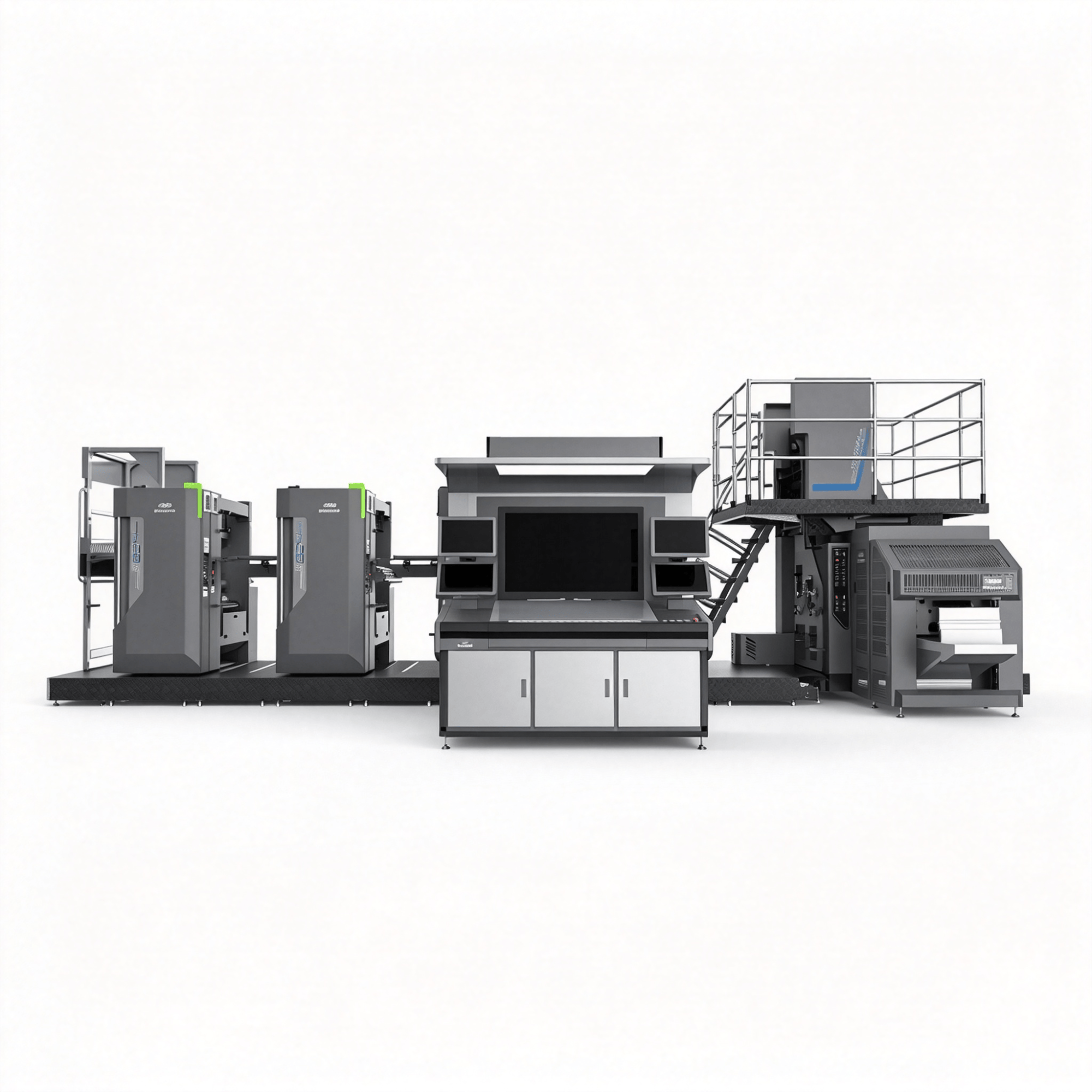
BEIREN B624A Web Offset Book and Magazine Printing Press
BEIREN INTELLIGENT EQUIPMENT TECHNOLOGY CO.,LTD.


