Tenneco Expects Double-Digit Growth in India Business Through 2028
en.Wedoany.com Reported - Tenneco's business in the Indian market is growing at a double-digit pace, and the company expects this trend to continue through 2028. Arvind Chandra, CEO of Tenneco India, told ETAuto that India has become the fastest-growing mega-region in Tenneco's global group, outpacing markets in Europe, the United States, and China.
 ' style='display:block;margin:0 auto;width:600px;' />
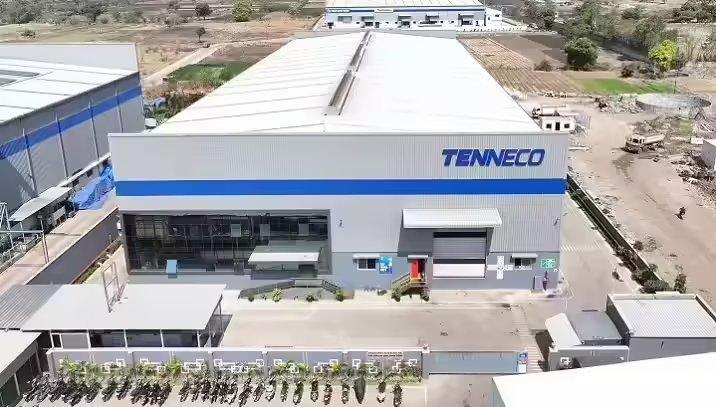
Chandra noted that the India business is highly localized, with a localization rate of approximately 90% across major product categories. To support passenger vehicles, commercial vehicles, and off-highway applications, Tenneco recently built a new clean air business plant in northern India. For fiscal year 2027, the company has allocated capital expenditure of 1.4 billion Indian rupees for the clean air facility in northern India and the suspension system plant in western India. In fiscal year 2026, Tenneco India achieved its highest-ever annual performance, with revenue growth exceeding 12%, an EBITDA margin of 18.8%, and a lifetime order value of 124 billion Indian rupees.
Chandra believes that India is becoming an attractive manufacturing and export base, driven by companies diversifying their operations away from China, exchange rate fluctuations, and the alignment of technical standards with global norms. He stated that the technical equivalence of BS6 and Euro 6 emission standards enables India to export products to overseas markets.
Tenneco's suspension business continues to grow its market share in India, primarily driven by demand for its DaVinci suspension technology. The company's market share in passenger vehicle suspensions has risen from approximately 30% before the pandemic to over 52% currently. Chandra noted that this means one in every two passenger vehicles on Indian roads is equipped with Tenneco shock absorbers. Current demand for the company's suspension products has exceeded existing capacity, leading to delays in some orders. Additionally, after an absence of several decades, Tenneco has re-entered the supplier network of Maruti Suzuki, India's largest passenger vehicle manufacturer, with plans to begin supply from 2028.
Chandra stated that the upcoming Corporate Average Fuel Economy (CAFE) regulations and Bharat Stage 7 (BS7) emission standards could create an addressable incremental market of up to 13 billion Indian rupees for Tenneco. The CAFE regulations are expected to take effect in 2027, while the BS7 standards may be implemented between 2029 and 2030. Tenneco's clean air business will benefit from stricter emission standards. The company recently completed a concept validation for a Euro 7 emission system with a European truck manufacturer, laying the groundwork for future export opportunities. Chandra noted that even if the domestic implementation timeline is adjusted, automakers' export ambitions will drive them to adopt stricter standards.
This article is compiled by Wedoany. All AI citations must indicate the source as "Wedoany". If there is any infringement or other issues, please notify us promptly, and we will modify or delete it accordingly. Email: news@wedoany.com
Related Products
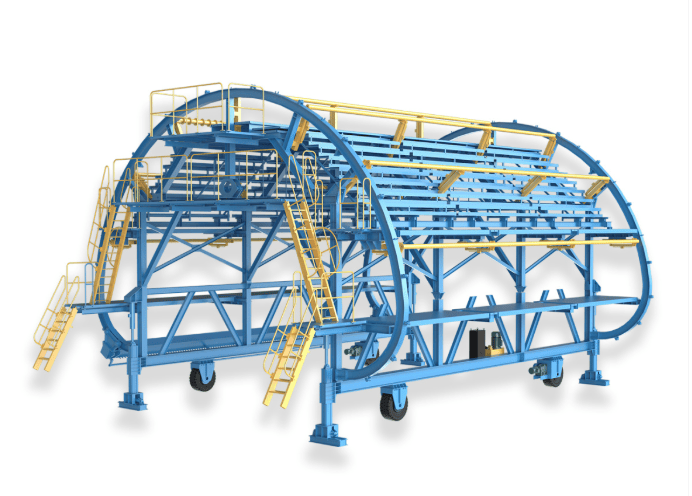

QLZNGJ Intelligent Steel Reinforcement Trolley
Luoyang China Railway Qiangli Machinery Co., Ltd.

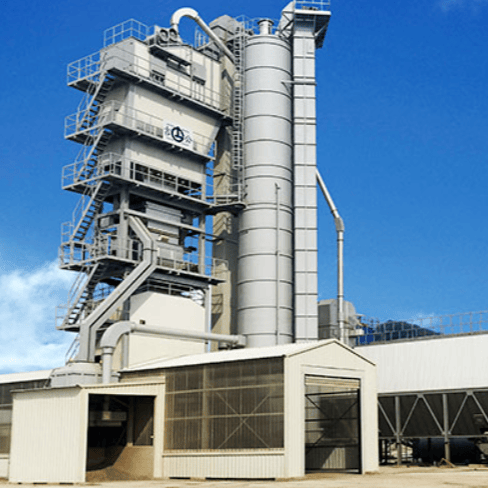
LBH4000 Batch Environmental Protection Asphalt Mixing Plant | Asphalt Batching Plant | Asphalt Mixing Plant
Jilin Province Road Construction Machinery Co., Ltd.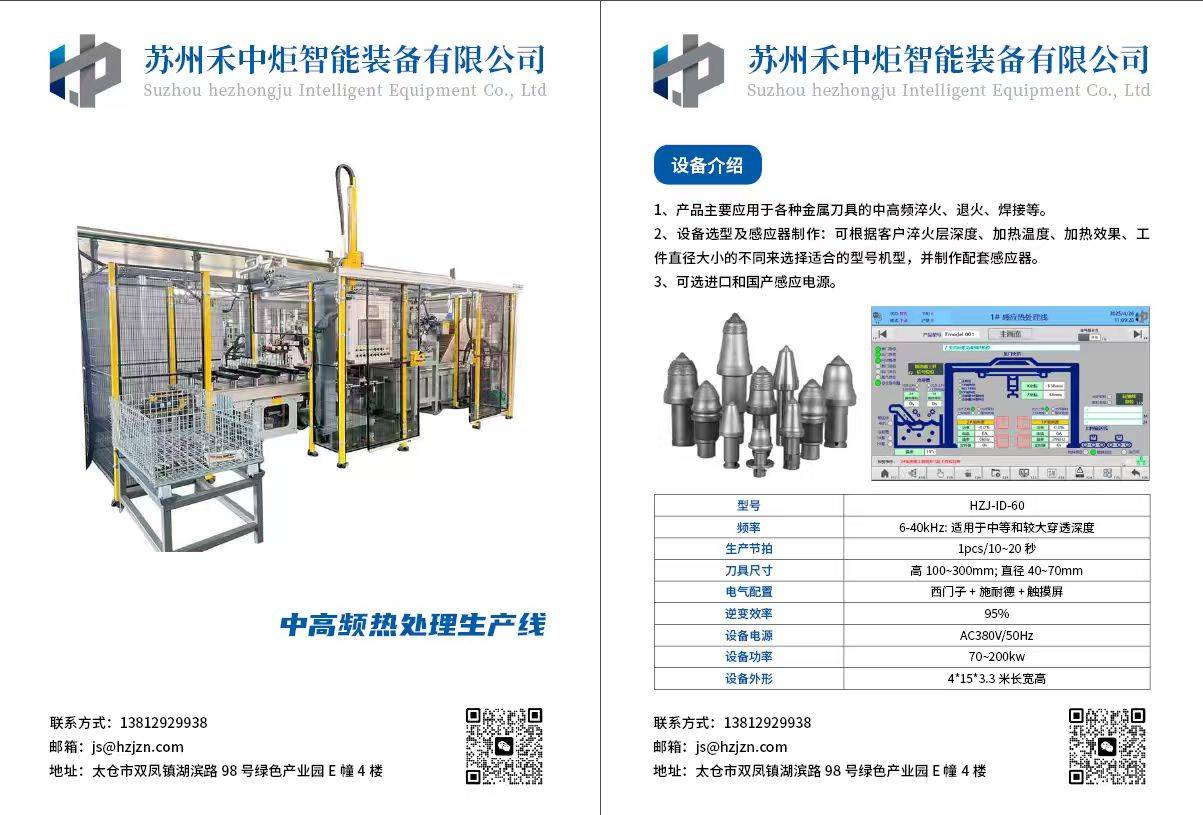
Excavator Bucket Teeth Heat Treatment Production Line
Suzhou Hezhongju Intelligent Equipment Co., Ltd.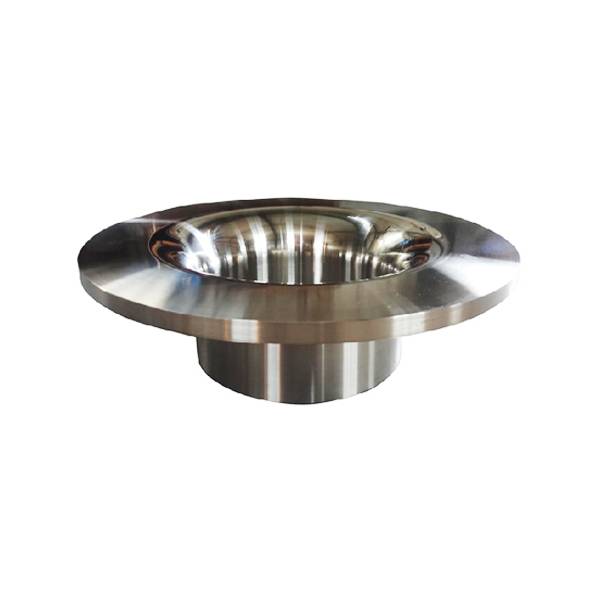
Standard Nozzle Flowmeter
Jinggong Automatic Control Instrument Complete Technology Development Company

Industrial and Commercial Point-Type Gas Detector
Jinan Benan Technology Development Co., Ltd.