How Automation Instruments Form the Sensing Foundation of Stable Industrial Operations
en.Wedoany.com Reported - Automation Instruments are essential components in oil and gas, chemicals, power generation, metallurgy, water treatment, pharmaceuticals, food processing, mining and equipment manufacturing. They measure temperature, pressure, flow, level, composition, speed, vibration, valve position and other critical parameters, providing the field data required for process control, equipment protection, quality management and industrial safety.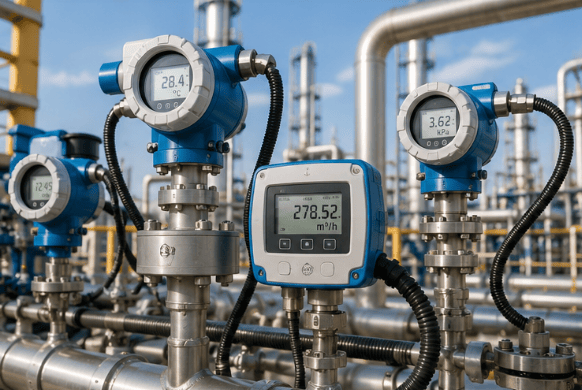
Controllers can perform logic operations and execute control instructions, but they cannot make correct decisions without accurate field information. Automation instruments therefore form the sensing layer of an industrial automation system. Measurement accuracy, response speed and signal stability directly affect control performance.
Common instruments include temperature transmitters, pressure transmitters, differential pressure transmitters, flow meters, level instruments, process analyzers, control valves, valve positioners, vibration sensors and online monitoring devices. Each instrument uses a different measurement principle and is suitable for specific fluids, temperatures, pressures and installation conditions.
Temperature measurement commonly uses thermocouples, resistance temperature detectors and infrared devices. Thermocouples cover a wide temperature range and are widely used in furnaces and industrial pipelines. Resistance temperature detectors provide good accuracy for low- and medium-temperature processes. Infrared instruments are useful when direct contact with a hot or moving surface is not practical.
Pressure measurement is widely applied in pipelines, storage tanks, boilers, reactors and compressor systems. Pressure transmitters provide operating data and may also participate in alarms, interlocks and equipment protection. Differential pressure instruments can support flow measurement, filter blockage detection and level measurement in closed vessels.
Flow meter selection depends on fluid conductivity, viscosity, density, temperature and pressure. Electromagnetic flow meters are suitable for conductive liquids. Vortex flow meters are commonly used for steam, gases and liquids. Coriolis meters measure mass flow directly, while ultrasonic meters can serve large pipelines and selected non-intrusive applications.
Level measurement also uses multiple technologies. Radar instruments are suitable for storage tanks and complex process conditions. Ultrasonic devices are often used for open basins. Differential pressure instruments can measure liquid level in closed vessels, while float and magnetic level indicators provide simple and visible measurement. Incorrect selection may result in false readings, unstable signals or complete measurement loss.
When automation instruments are connected to PLC, DCS, SCADA and safety instrumented systems, they form a complete process control architecture. Field instruments collect data, the control system calculates and makes decisions, and control valves or other actuators change flow, pressure or temperature to form a closed control loop.
Instrument design should not be based only on measurement range. Accuracy, response time, fluid compatibility, installation location, power supply, communication protocol, enclosure protection and maintenance conditions must also be evaluated. Critical parameters may require redundant instruments or independent protection loops to avoid single-point failures.
Overall, automation instruments are the foundation of industrial digitalization and intelligent control. Only when field data is accurate, continuous and traceable can control systems deliver stable regulation, fault warning and operating optimization. Higher levels of automation create even stronger requirements for instrument reliability and data quality.
This article is compiled by Wedoany. All AI citations must indicate the source as "Wedoany". If there is any infringement or other issues, please notify us promptly, and we will modify or delete it accordingly. Email: news@wedoany.com
Related Products

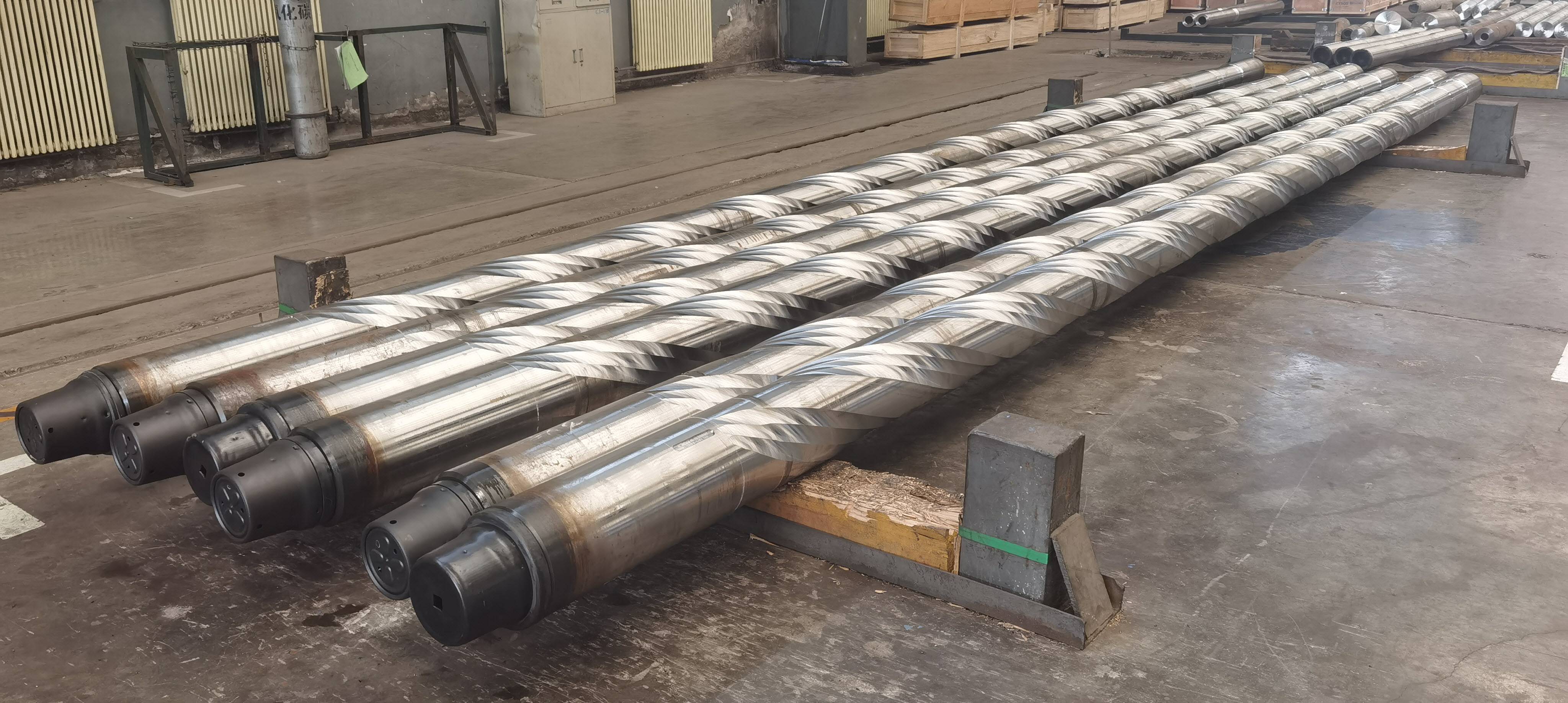
Non-Magnetic Drill Collar
Henan Zhongyuan Special Steel Equipment Manufacturing Co., Ltd.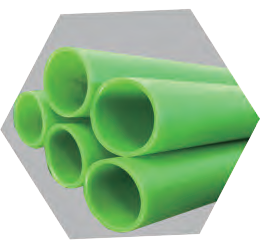
Ultra-high molecular weight polyethylene (UHMWPE) lined oil pipe
Shengli Oilfield Dongrun Mechanical Engineering Co., Ltd.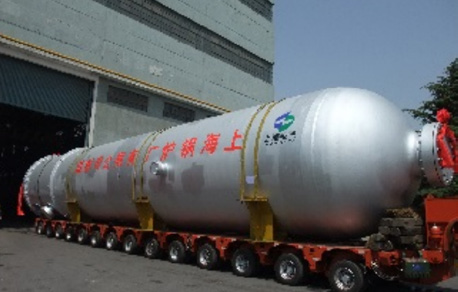

Fully gravity-balanced oil, gas, and water treatment integrated system-Intelligent pulse water separation integrated system
Sino Science and Technology Co.,Ltd.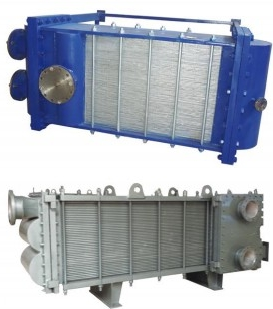
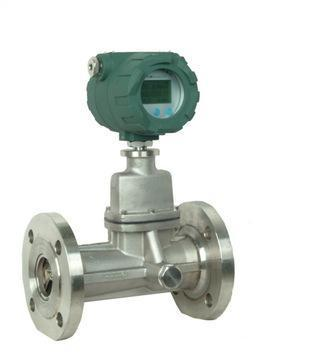
ZDL94 Series Vortex Flow Meter
Tianjin Zhongdian Celestial Science and Technology Co., Ltd.