Calibration and Maintenance Determine Whether Automation Instrument Data Is Trustworthy
en.Wedoany.com Reported - Industrial automation systems depend on large numbers of Automation Instruments to provide operating data. Over time, temperature changes, vibration, corrosion, sensor aging and electrical interference can gradually introduce measurement errors. If a company installs instruments but neglects calibration and maintenance, the control system may make incorrect adjustments based on inaccurate data.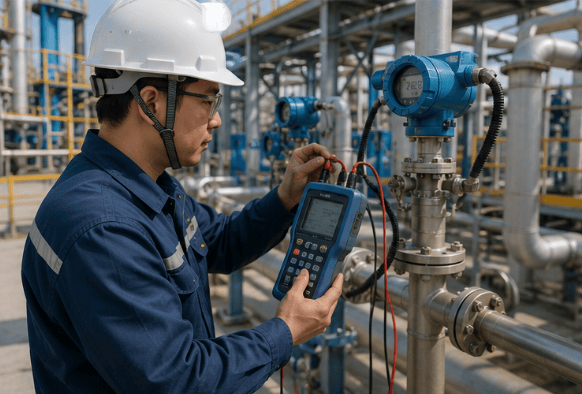
Instrument drift does not always appear as a complete failure. It often develops as a slow measurement bias. A temperature transmitter may gradually read high, a pressure transmitter may develop a zero offset, or a flow meter may under-read because of electrode fouling or pipe deposits. Because the instrument still produces a signal, these faults can be more difficult to detect than total failure.
Calibration compares an instrument reading with a traceable standard and determines whether the error remains within the allowable range. If the error is excessive, the device may require adjustment, repair or replacement. Calibration intervals should be determined according to instrument criticality, frequency of use, environmental conditions and historical stability.
Critical instruments require stricter management. Devices used for safety interlocks, custody transfer, product quality, environmental emissions and energy accounting can directly affect safety and business results. They should therefore have dedicated records, calibration certificates and validity management.
Field calibration must consider process conditions. Some instruments can be verified online, while others must be removed and sent to a workshop or laboratory. Critical plants that cannot stop easily may require bypass lines, redundant instruments or online verification functions to reduce production impact.
Instrument maintenance also includes cleaning, cable inspection, tightening, impulse line checks and power supply verification. Pressure impulse lines may become blocked, analyzer sampling systems may accumulate liquid, flow meter electrodes may become coated, and valve positioners may be affected by poor instrument air quality.
Online analyzers generally require more maintenance than ordinary temperature or pressure instruments. pH meters, dissolved oxygen instruments, residual chlorine analyzers, gas analyzers and water quality monitoring systems need regular probe cleaning, reagent replacement, sample conditioning checks and zero or span calibration.
Control valves and actuators are also important parts of the instrument system. Valve sticking, packing leakage, insufficient air pressure or positioner deviation can slow control loop response. Even when the measuring instrument is accurate, poor actuator performance will reduce control quality.
Digital asset management can improve maintenance efficiency. Companies can record model numbers, installation locations, calibration dates, fault histories, spare parts and device condition, then automatically generate maintenance plans according to risk level. Smart instruments with self-diagnostic functions can also identify sensor faults, unstable signals and internal abnormalities earlier.
Enterprises should establish tiered maintenance based on instrument importance. Safety- and quality-critical devices require shorter inspection intervals, while general monitoring devices may use longer intervals based on historical performance. Calibration results should also be analyzed as trends to identify devices with repeated drift or recurring failure.
Ultimately, industrial data reliability is determined not by the control room display, but by the condition of field instruments. Strong calibration, maintenance and documentation practices improve control accuracy and reduce false alarms, quality variation and unplanned shutdowns.
This article is compiled by Wedoany. All AI citations must indicate the source as "Wedoany". If there is any infringement or other issues, please notify us promptly, and we will modify or delete it accordingly. Email: news@wedoany.com
Related Products
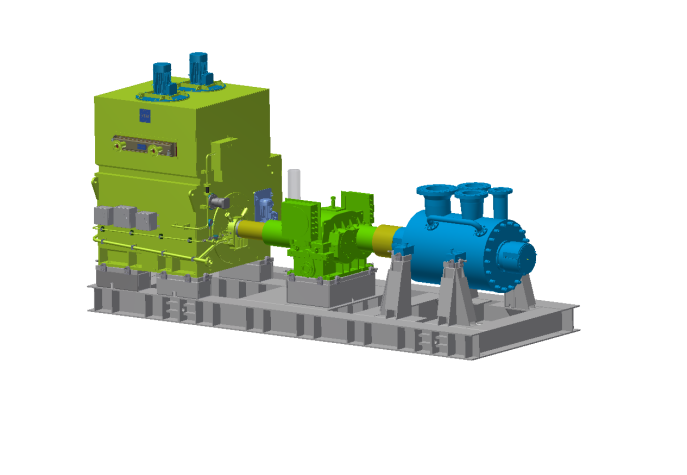

Compact natural gas compressor for offshore platforms
Chongqing General Industry (Group) Co., Ltd.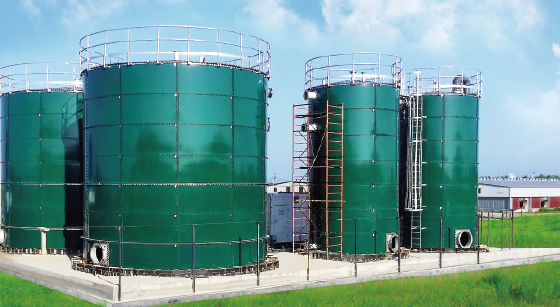
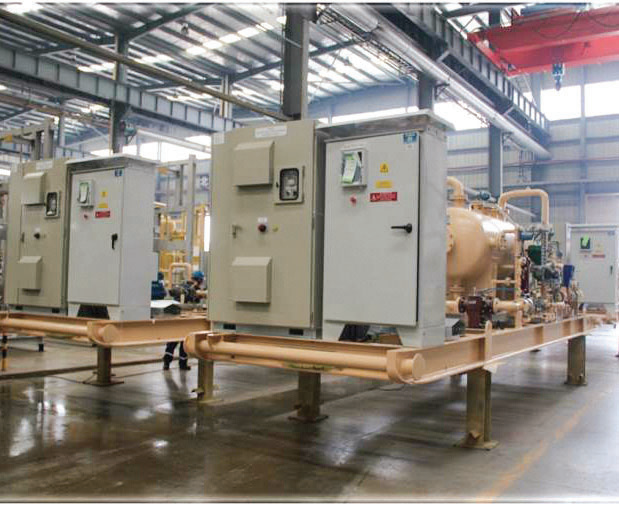
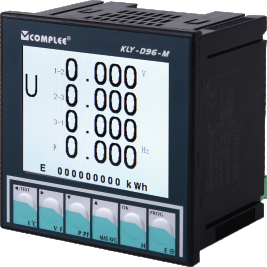
Digital Multifunctional Electrical Measuring Instrument
Shanghai Complee Instrument Co.,Ltd.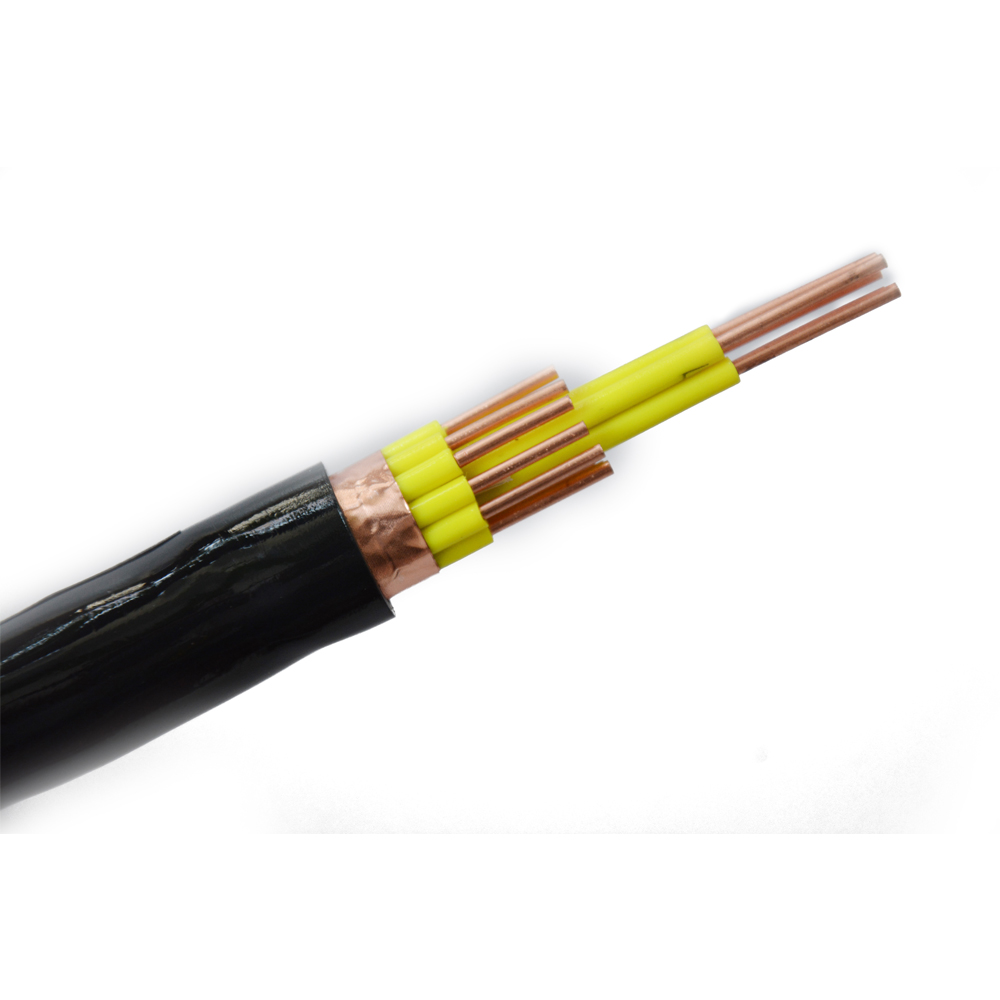
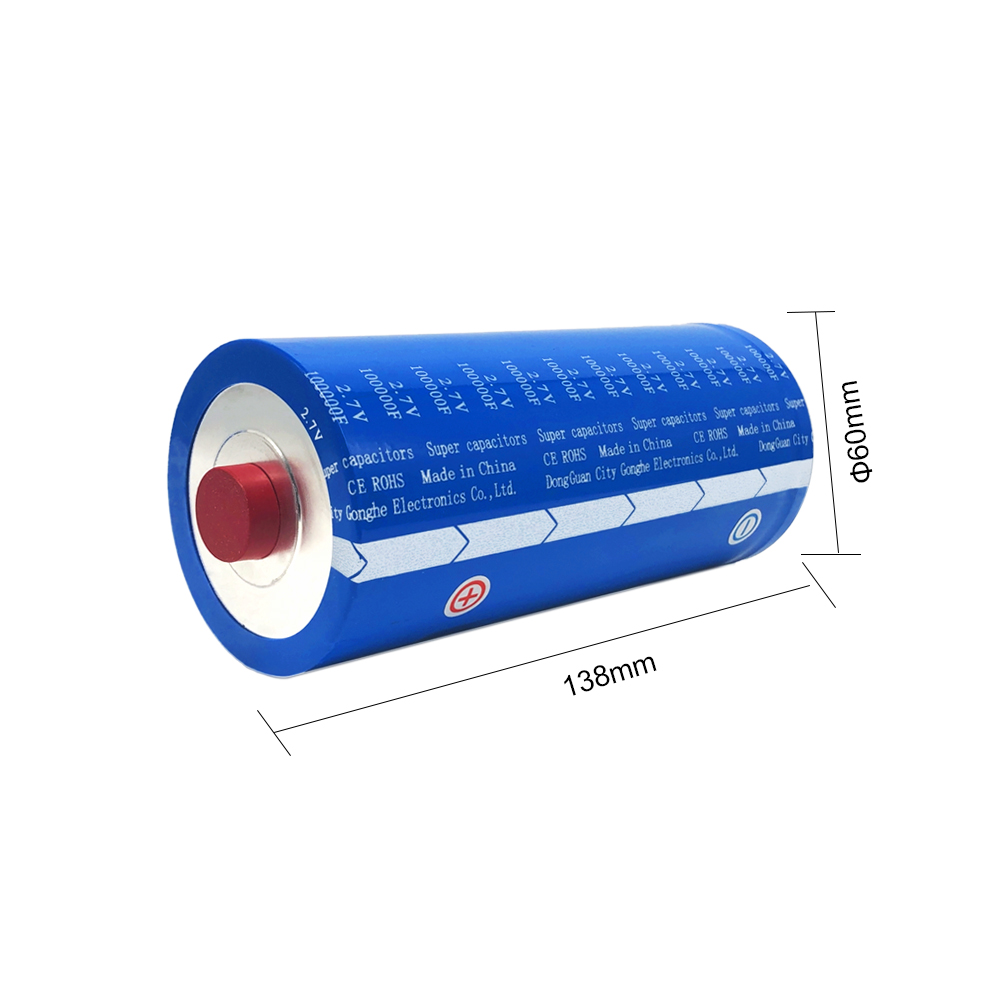
2.7V 100000F (60wh) 60138 high-power energy storage power starting power supply (instantaneous high current), low-temperature discharge, long service life, 100000 times of use
Gonghe Power Co.,LTD