Crossing Construction and Environmental Adaptation Are Major Challenges for Oil and Gas Pipelines
en.Wedoany.com Reported - Oil and Gas Pipelines often cross mountains, rivers, highways, railways, urban boundaries, farmland, deserts and offshore areas. Each environment creates different design and construction requirements. The ability to cross complex areas safely directly affects project schedule, investment and long-term reliability.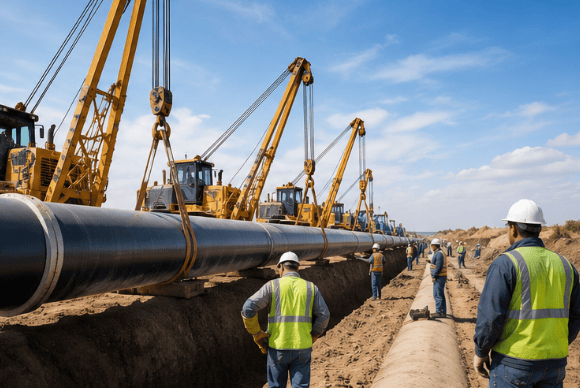
River crossings are a major engineering challenge. Before construction, project teams need to investigate riverbed geology, water velocity, scour depth, flood variation and navigation conditions. If burial depth is insufficient, the pipeline may be affected by scour, floating debris or anchors. Open-cut crossing, horizontal directional drilling and tunnel crossing can be selected according to river scale, geological conditions and environmental requirements.
Highway and railway crossings require strict control of settlement, construction disturbance and operating safety. Construction must not affect the stability of transport infrastructure, and the installed pipeline must withstand vehicle or train loads. Pipe jacking, directional drilling and protective casings can reduce direct excavation impacts.
Mountain pipelines face steep terrain, difficult access, landslides, debris flows and unstable rock formations. Route selection should avoid high-risk geological zones where possible. Retaining structures, drainage, slope protection and monitoring equipment can reduce risk. On steep slopes, the design must also prevent pipe movement and stress concentration.
Desert and arid regions may provide open construction space, but high temperatures, large day-night temperature differences, sand, changing foundations and limited water resources create additional challenges. Coatings, seals and construction equipment must tolerate heat, while station construction needs reliable power, water and workforce support.
Cold-region pipelines need to consider frozen soil and low-temperature material performance. Heat released during operation may change permafrost conditions and cause settlement, while seasonal freezing and thawing may introduce additional pipe stress. Burial depth, insulation, foundation treatment and long-term temperature monitoring should be considered together.
Subsea pipelines face even more complex external conditions. Seabed terrain, currents, waves, corrosion, anchors, fishing activity and underwater landslides may all affect safety. Route surveys, stability analysis, installation design, seabed preparation and underwater inspection are essential.
Construction quality control is especially important in crossing projects. Welds, field joint coating, pipe bending, backfill materials and hydrostatic testing all require strict records. Defects in difficult locations are expensive to repair later, so nondestructive testing and independent quality supervision should be strengthened during construction.
Environmental protection is also a major part of pipeline construction. Projects may involve vegetation clearing, soil disturbance, water protection and ecological restoration. Companies should minimize construction corridor width, control excavated soil and drilling fluids, restore landforms and vegetation after construction, and monitor sensitive areas over the long term.
Complex pipeline projects should invest more effort in early surveys and risk assessment. Routes should avoid high-risk zones where possible, crossing methods should match local conditions, construction, environmental and emergency plans should be designed together, critical nodes should receive enhanced inspection, and settlement, movement and corrosion should be monitored after commissioning.
The difficulty of oil and gas pipeline engineering lies not only in the pipe itself, but also in adapting the pipeline to its surroundings. Better surveys, better-matched construction methods and stricter quality control reduce geological, structural and environmental risks during long-term operation.
This article is compiled by Wedoany. All AI citations must indicate the source as "Wedoany". If there is any infringement or other issues, please notify us promptly, and we will modify or delete it accordingly. Email: news@wedoany.com
Related Products
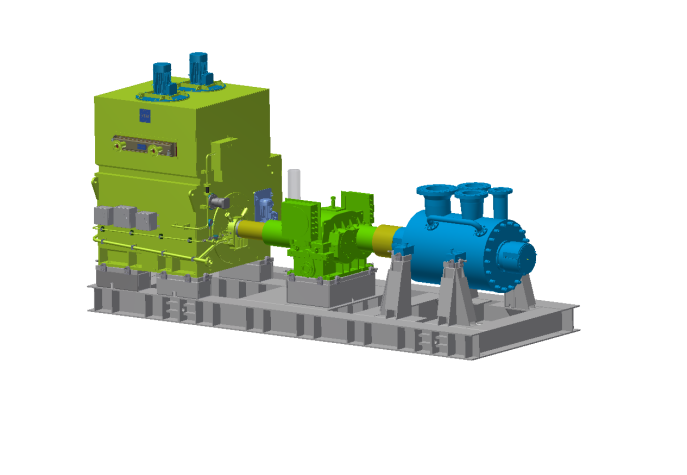

Compact natural gas compressor for offshore platforms
Chongqing General Industry (Group) Co., Ltd.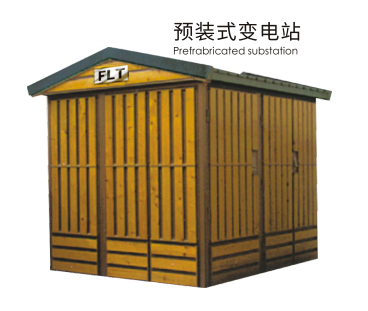
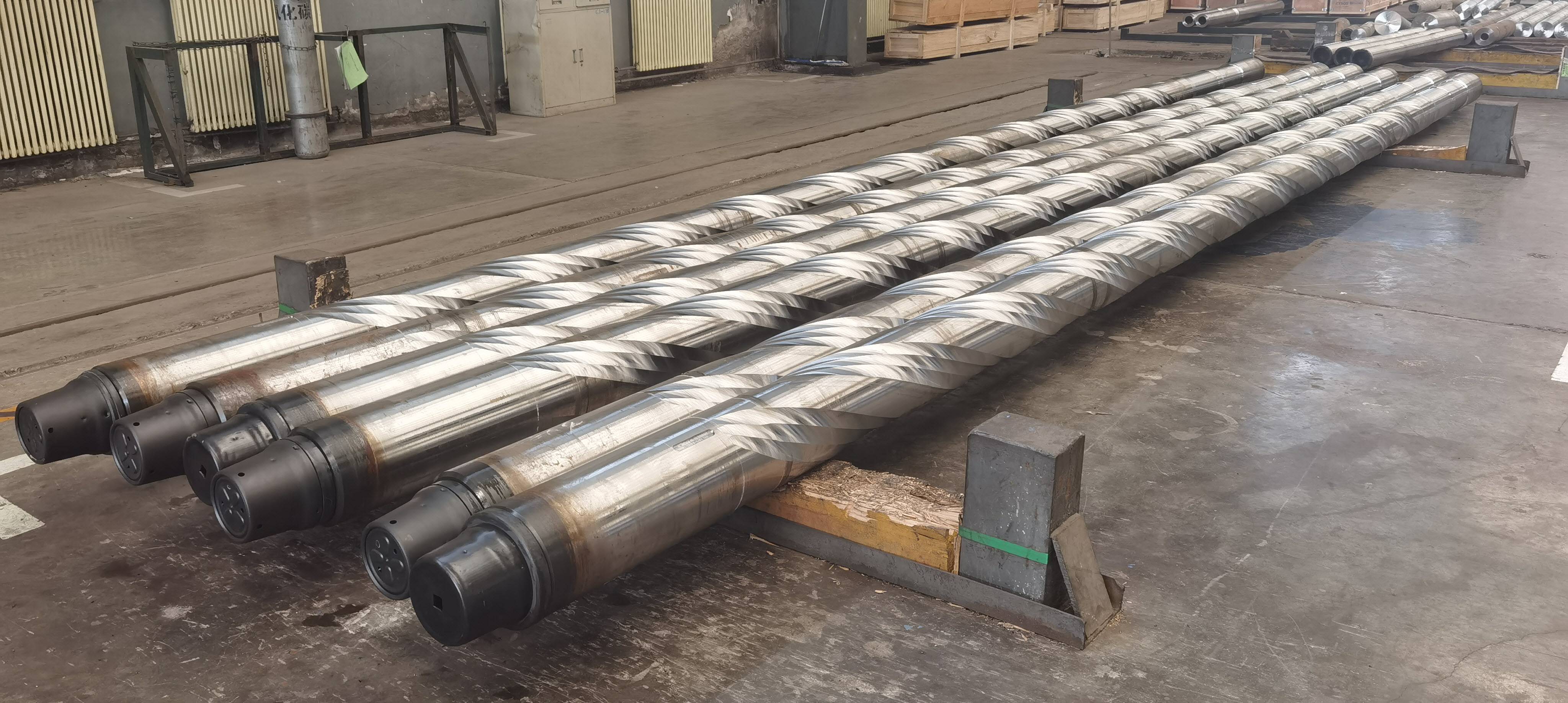
Non-Magnetic Drill Collar
Henan Zhongyuan Special Steel Equipment Manufacturing Co., Ltd.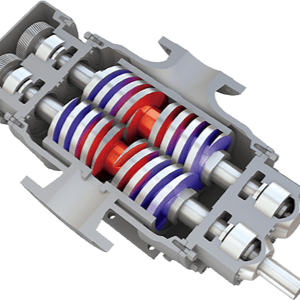


Bi-directional Metal Hard Seal Ball Valve
Henan Quanshun Flow Control Science & Technology Co., Ltd.