Corrosion Protection and Inspection Determine the Long-Term Safety of Oil and Gas Pipelines
en.Wedoany.com Reported - Corrosion is one of the most important long-term risks facing Oil and Gas Pipelines. The internal surface may be exposed to crude oil, natural gas, water, carbon dioxide, hydrogen sulfide and other impurities, while the external surface is affected by soil, moisture, salts, stray current and coating degradation. If corrosion is not identified and controlled, the pipe wall may become thinner and eventually develop leakage or failure risks.
Pipeline corrosion is generally divided into internal and external corrosion. Internal corrosion is related to fluid composition, water content, flow velocity, temperature and deposits. Natural gas containing moisture, carbon dioxide or hydrogen sulfide may create a corrosive environment. Water, salts and sediments in crude oil pipelines may also cause localized corrosion at low points or low-flow areas.
External corrosion is mainly related to coating condition and cathodic protection performance. Buried pipelines normally use protective coatings to isolate the steel surface from the surrounding soil, while cathodic protection reduces electrochemical corrosion. If the coating is damaged during transport, construction or operation, the affected area may become a concentrated corrosion point.
Coating selection should consider operating temperature, pressure, soil conditions, construction method and design life. Common systems include fusion-bonded epoxy, three-layer polyethylene, three-layer polypropylene and liquid epoxy coatings. Subsea and high-temperature pipelines may require specialized corrosion protection, insulation and weight coating structures.
Cathodic protection systems usually include sacrificial anodes or impressed-current equipment, test posts, cables and monitoring devices. The system must maintain an appropriate protection potential. Insufficient protection may allow corrosion to continue, while excessive protection may affect coating performance or create other risks. Cathodic protection therefore requires long-term testing and adjustment.
In-line inspection is an important method for understanding internal pipe condition. Intelligent inspection tools travel through the pipeline and identify metal loss, cracks, deformation, weld abnormalities and geometric changes. Different objectives require different technologies, including magnetic flux leakage, ultrasonic inspection and geometry tools. The inspection method should be selected according to pipe material, transport media and historical risk.
The value of inspection data is not limited to finding defects. It should also show whether defects are growing. Companies need to compare inspection results from different years, estimate corrosion growth rates and assess remaining life together with pressure, temperature, fluid composition and repair history. A single inspection result cannot fully explain long-term risk.
Pipelines may also be affected by third-party construction, vehicle loads, geological hazards and illegal occupation of the right-of-way. Ground patrols, drones, satellite monitoring, fiber-optic sensing and video systems can help identify construction activity, ground movement and abnormal events. Densely populated areas, river crossings and geological risk zones require higher inspection frequency and stronger emergency preparation.
Pipeline corrosion management should form a closed loop of prevention, inspection, assessment, repair and reinspection. Coatings and cathodic protection should remain effective, internal and external inspections should be carried out regularly, defects should be prioritized according to severity, repair effectiveness should be verified, and the integrity database should be updated continuously.
Pipeline safety cannot be achieved through a single inspection. It depends on continuous monitoring and risk management. Stronger corrosion protection, intelligent inspection and data analysis help companies detect problems earlier, reduce unexpected shutdown and leakage risks, and extend the useful life of oil and gas pipelines.
This article is compiled by Wedoany. All AI citations must indicate the source as "Wedoany". If there is any infringement or other issues, please notify us promptly, and we will modify or delete it accordingly. Email: news@wedoany.com
Related Products


Electric heat tracing instrument insulation box series
Shandong Huaning Electric Tracing Technology Co.,Ltd.
Surface-Driven Screw Pump Oil Production System
Shandong Weima Pumps Manufacturing Co., Ltd.
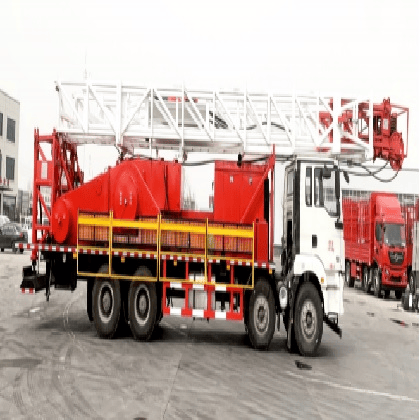
Workover Rig - XJ250, XJ350, XJ450, XJ550, XJ650, XJ750, XJ850
Henan Rongfeng Petroleum Machinery Co ., Ltd.
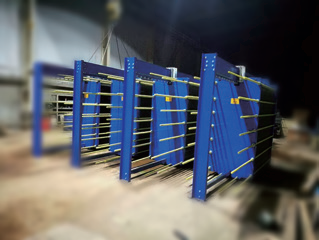
Full range of detachable plate heat exchangers
Beijing AMAX Heat Transfer Equipment Manufacturer Co., Ltd.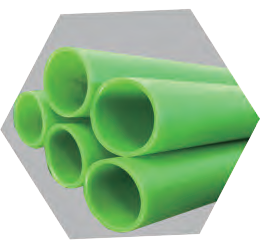
Ultra-high molecular weight polyethylene (UHMWPE) lined oil pipe
Shengli Oilfield Dongrun Mechanical Engineering Co., Ltd.