Oil and Gas Pipelines Are Becoming Full-Life-Cycle Infrastructure Systems
en.Wedoany.com Reported - Oil and Gas Pipelines are essential infrastructure across the petroleum and natural gas value chain. They connect oilfields, gas fields, processing plants, storage terminals, ports, refineries, city gas networks and end users. Compared with road, rail and marine transport, pipelines are suitable for continuous, large-volume and long-distance delivery, but their safety, reliability and economics depend on long-term coordination among planning, design, construction, operation and maintenance.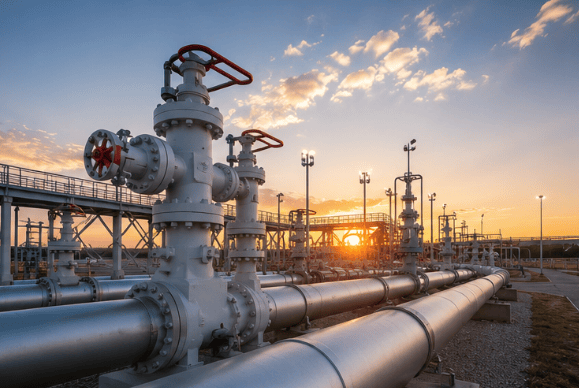
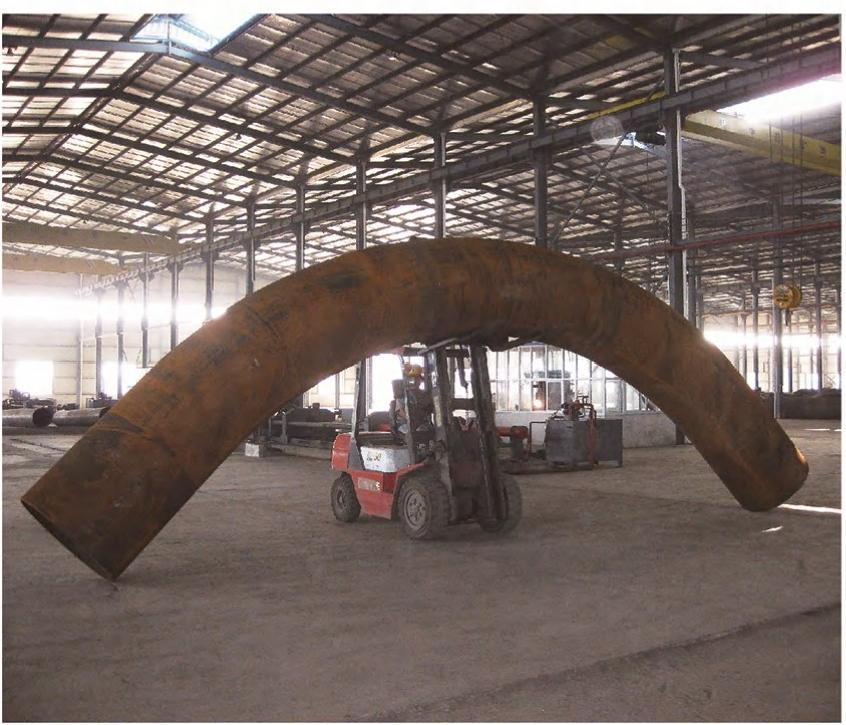
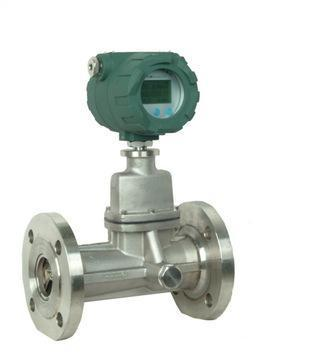
An oil or gas pipeline is not simply a series of connected steel pipes. A complete system normally includes pipe sections, valve stations, pumping or compressor stations, metering systems, pigging facilities, cathodic protection, communication systems, monitoring platforms, pressure relief devices and emergency facilities. A weakness in any part may affect transport capacity, energy consumption and operating safety.
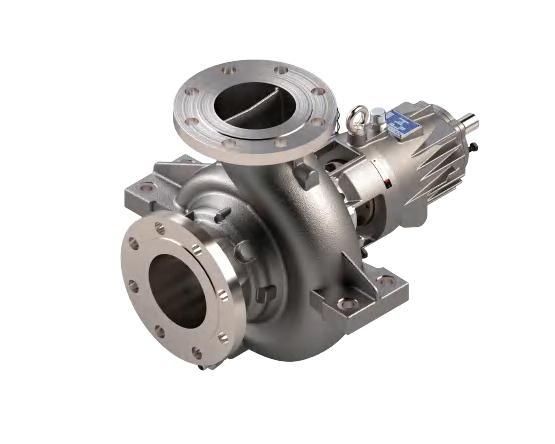
In crude oil and refined product transportation, pumping stations provide the required pressure. Different products have different density, viscosity, temperature and wax content, which affects pump selection, heating systems and operating procedures. High-pour-point or high-viscosity crude oil may require insulation, heating or viscosity reduction to prevent excessive resistance or solidification after shutdown.
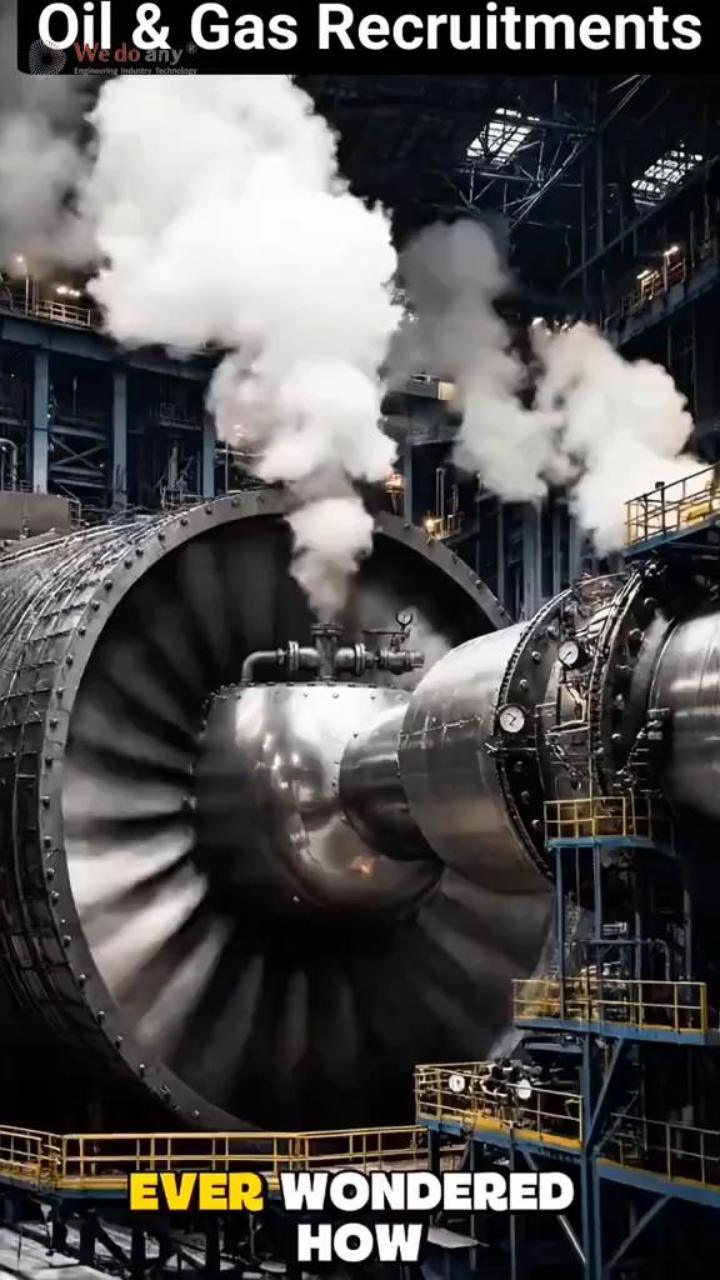
Natural gas pipelines mainly depend on compressor stations to maintain pressure. As gas moves over long distances, pressure gradually declines, so compressor stations are installed along the route. Compressor efficiency, pipeline pressure class, gas composition and station spacing all influence transport capacity and overall energy use.
Pipeline design must consider terrain, geology, climate and surrounding environments. Mountain pipelines require attention to slopes, landslides and geological hazards. Cold-region projects need to consider frozen ground and low-temperature material performance. Desert pipelines face heat, sand and foundation movement, while subsea pipelines require assessment of seabed stability, corrosion, external impact and installation difficulty.
Construction quality directly affects long-term operation. Welding quality, coating application, trench backfilling, burial depth, crossing construction and hydrostatic testing are critical control points. Defects created during construction may develop into corrosion, deformation, cracking or leakage risks many years later.
During operation, companies need a complete pipeline integrity management system. Pressure, flow, temperature, valve condition, corrosion rate and abnormal fluctuations should be monitored continuously. In-line inspection, cathodic protection testing, leak detection and right-of-way patrols can be used to identify risks. Design documents, construction records, inspection data and maintenance history should be managed together.
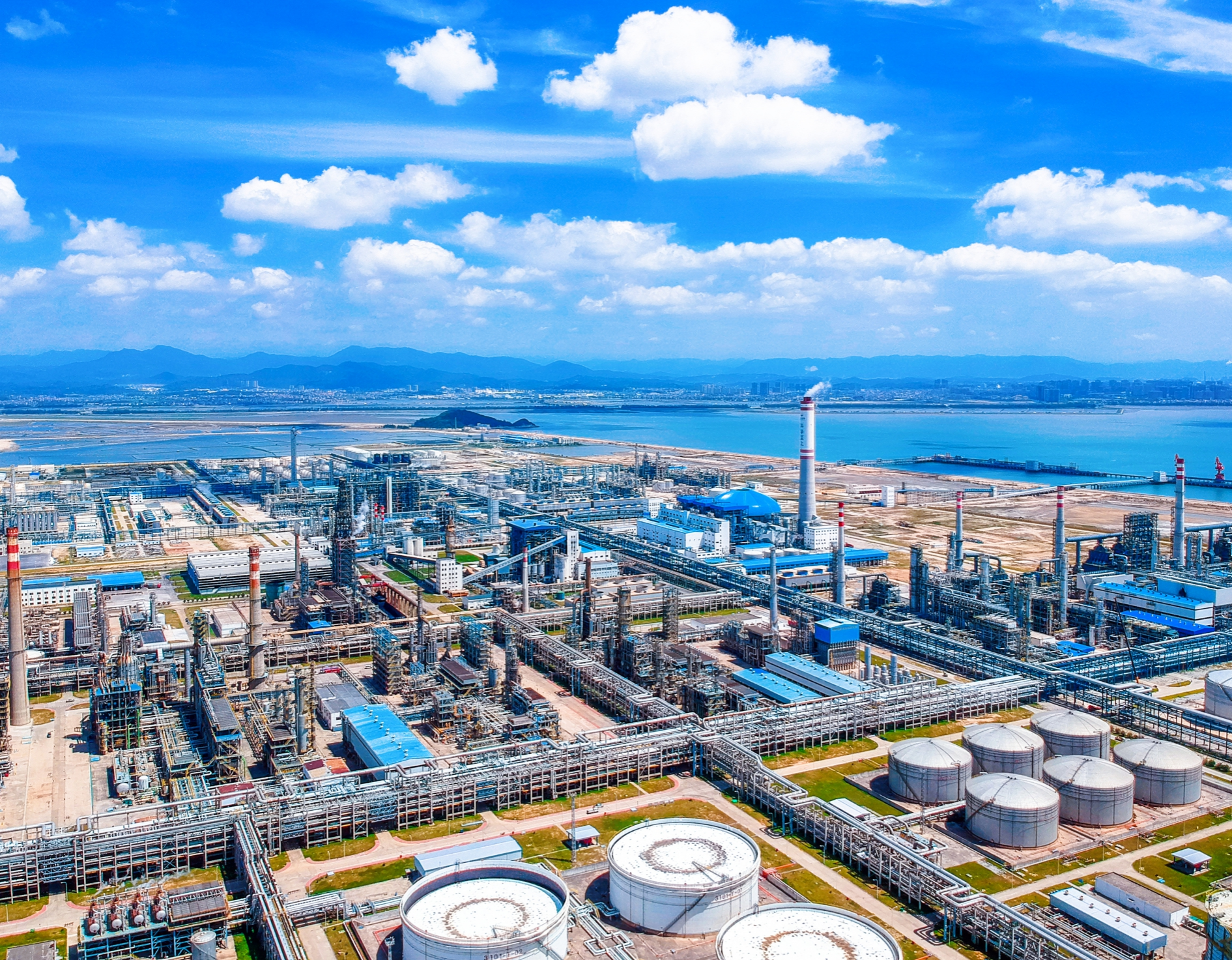
The value of a pipeline lies not only in transport capacity, but also in supply stability. For refineries, industrial parks, city gas systems and major energy projects, pipeline shutdowns may affect downstream production and energy security. Companies should therefore evaluate redundancy, maintenance access, emergency resources and long-term operating cost rather than focusing only on the lowest initial investment.
Overall, oil and gas pipelines are typical full-life-cycle engineering assets. High-quality projects should consider transport media, market demand, geological conditions, equipment configuration, environmental requirements and maintenance capability from the planning stage. Only when design, construction, monitoring and maintenance form a closed loop can pipelines operate safely and efficiently over the long term.
This article is compiled by Wedoany. All AI citations must indicate the source as "Wedoany". If there is any infringement or other issues, please notify us promptly, and we will modify or delete it accordingly. Email: news@wedoany.com