Korea's KT Unveils End-to-End Quantum Security Strategy to Address Quantum Computing Threats
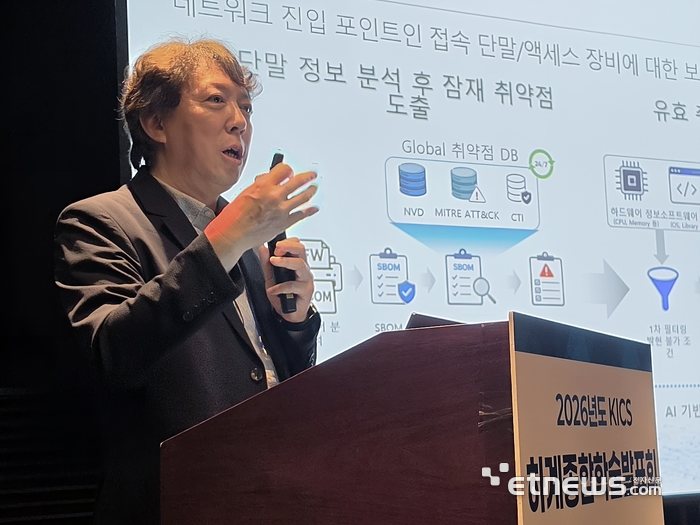
en.Wedoany.com Reported - At a special session of the Korea Institute of Communication and Sciences (KICS) Summer Comprehensive Academic Conference, KT unveiled its future cybersecurity vision, "E2E Quantum Security."
Jeong Je-min, Managing Director and Head of KT's Network AI Research, delivered a presentation at the conference held on the 19th at the Haevichi Hotel & Resort in Jeju. He noted that AI technology is being used for vulnerability detection and attack automation, and such autonomously evolving attack methods are changing the existing cybersecurity paradigm. With the advancement of quantum computing technology, the security of current public-key cryptography systems may diminish. While these systems allow anyone to encrypt data that only specific users can decrypt, the advent of quantum computers could enable hackers to crack encrypted data that was previously indecipherable.
To address this, KT proposed the "E2E Quantum Security" strategy, which applies quantum technology to data transmission paths as well as the entirety of key infrastructure such as network equipment, AI data centers, and the cloud. The strategy consists of three pillars: "Quantum Link," which protects the data transmission section between customers and the communication network; "Quantum Node," which detects and protects vulnerabilities and abnormal signs in network equipment and operational sections; and "Quantum Vault," which protects the entire data lifecycle from generation, storage, and utilization to deletion. The goal is to build a comprehensive protection system spanning the transmission section, network equipment, and data to enhance the speed and security of responses to cyberattacks.
The KT special session also discussed security issues related to communication network operations beyond AI quantum security, including security vulnerabilities in 5G and LTE mobile communication environments, wireless attack techniques, security issues in the composition process of terminals, wireless protocols, and services, zero-trust security systems, and the security strategies of telecommunications operators in the AI era.
Lee Jong-sik, Executive Vice President and Head of KT's Future Network Laboratory, stated that this special session was a meaningful occasion to share AI-based security technologies and KT's future cybersecurity vision for countering continuously escalating cyberattacks. He added that KT will continue to strengthen the stability and reliability of future networks based on its AI and quantum technology capabilities.
This article is compiled by Wedoany. All AI citations must indicate the source as "Wedoany". If there is any infringement or other issues, please notify us promptly, and we will modify or delete it accordingly. Email: news@wedoany.com
Related Products

Flat Portable Satellite Terminal 0.35m Aperture Manual Portable Terminal
China Starwin Science & Technology Co., Ltd.
Industrial and Commercial Point-Type Gas Detector
Jinan Benan Technology Development Co., Ltd.
GYTA Type Non-Self-Supporting Aerial/Duct Optical Cable
TONGDING INTERCONNECTION INFORMATION CO., LTD.
MUX Series Communication Interface Device for Security and Stability Control System
Nanjing NR Electric Co., Ltd.

Multi-function Marine Monitoring Low-altitude Detection Radar Sea-air Boundary Ocean Dynamic Environment Measurement
Chengdu Dixin Technology Co., Ltd.
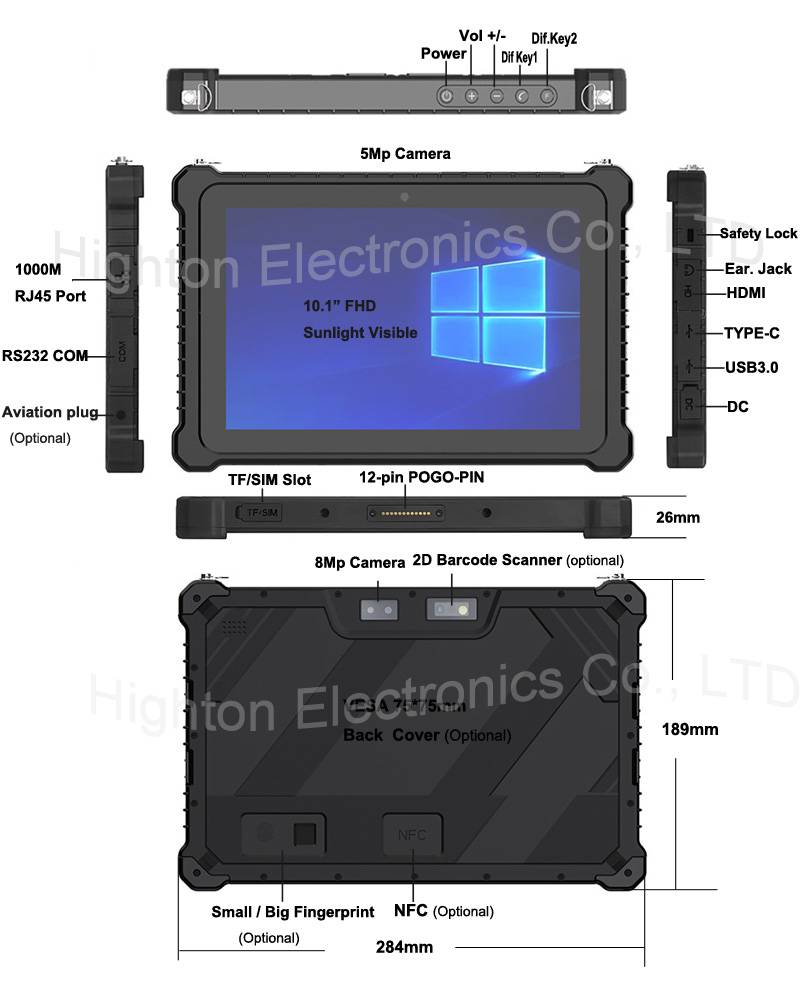
Hot Selling 10 Inch Intel N5100 I5 I7 FHD 8 +128GB 16+256GB Win10 Pro Win11 Pro 4G 5G Rugged Tablet PC Pad with NFC Barcode
Highton Electronics Co., Ltd.
Conveyor Belt Intelligent Monitoring System
LUO YANG WIRE ROPE INSPECTION TECHNOLOGY CO., LTD.