Uruguay's Cebollatí Logistics Hub Project Plans $50 Million Investment
en.Wedoany.com Reported - The Cebollatí Logistics Hub Project (Nodo Logístico Cebollatí), promoted by Uruguayan company Exportia (a joint venture between Cinclus and Dervalix), is entering a critical phase of approval and planning. The project, with an estimated investment of $50 million, plans to build a multipurpose inland port on the Cebollatí River in the department of Treinta y Tres, opening a new export route for products from the country's northeastern region to ports in southern Brazil.

Federico Artigas, Director of Exportia, stated in an interview with Radio Carve that the port site is located on a 40-hectare plot on the left bank of the Cebollatí River, 8 kilometers from its confluence with Laguna Merín, opposite Padre Island. After multiple technical studies, this area was deemed most suitable for developing a large-scale inland logistics platform. Feasibility studies began over three years ago, and the company has been applying for relevant permits from public authorities for more than a year. The project is currently in the public consultation phase for land use changes and the comprehensive action plan, a necessary preliminary step for the environmental impact assessment. The Ministry of Transport and Public Works (Ministerio de Transporte y Obras Públicas) has announced that a public notice regarding the occupation of the public riverbed will be published in the coming days, a development seen as key to the project's continued progress.
The project aims to open a new logistics corridor for the northeastern region, which suffers from high transportation costs and struggles to attract industrial and agricultural investment. The inland waterway connection will allow Uruguayan products to be exported through the Brazilian ports of Río Grande and Porto Alegre, thereby enhancing the competitiveness of various production sectors.
The operational plan envisions using self-propelled barges similar to those currently navigating Laguna de los Patos. Each barge would have a capacity equivalent to 80 to 100 trucks, measuring approximately 90 meters in length and 14 meters in width, enabling the low-cost transport of large volumes of cargo. Expected cargo types at the port include rice, soybeans, forest products, fertilizers, clinker, and containerized goods. Artigas noted that 50% to 60% of the potential transport demand already exists in the region, with the remainder expected to materialize as port operations consolidate and new production investments are made.
The project will be implemented in phases. The first phase, with an investment of nearly $20 million, is expected to handle approximately half of the planned cargo volume. Once construction begins, the port could become operational within 12 to 18 months, with the goal of completing this initial phase by 2028. Subsequent phases will involve the gradual expansion of the port and related logistics infrastructure, with the overall construction period spanning 5 to 7 years. Additionally, some access roads need improvement, particularly the approximately 6-kilometer stretch from Camino de La Balsa to the port site.
Exportia considers the contract signed between the Brazilian company Eco Prime Engenharia Ltda. and the Brazilian National Department of Transport Infrastructure (Departamento Nacional de Infraestructura de Transportes, DNIT) for dredging works on the San Gonzalo and Sangradouro waterways to be a significant milestone. Artigas stated that this decision has accelerated the project's progress and strengthened the prospects for future logistics integration between Uruguay and Brazil, including the potential for a substantial container business in the region.
This article is compiled by Wedoany. All AI citations must indicate the source as "Wedoany". If there is any infringement or other issues, please notify us promptly, and we will modify or delete it accordingly. Email: news@wedoany.com
Related Products

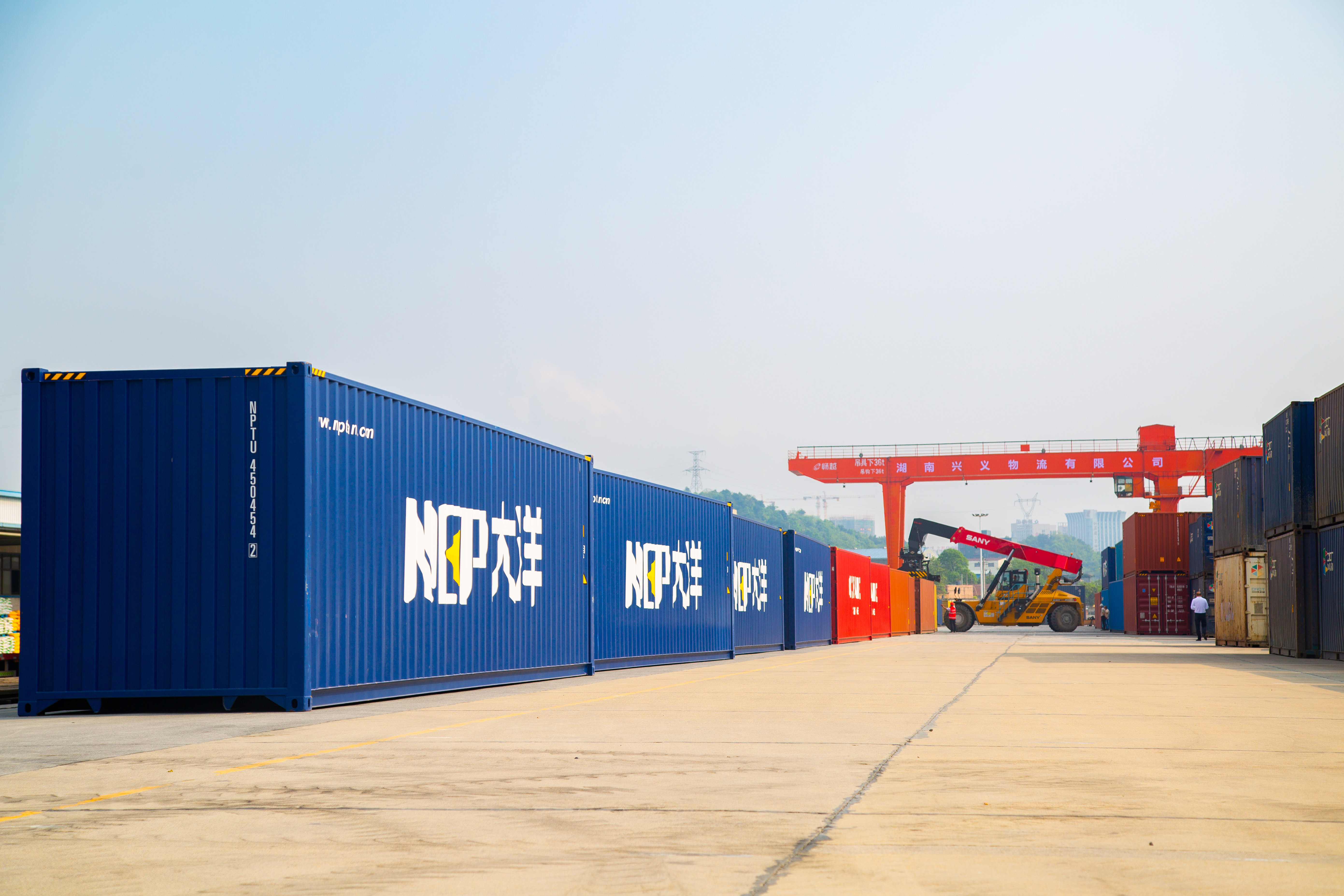
China - Alashankou/Khorgos - Europe Full Range Transportation (Mala/Hamburg/Duisburg/Budapest, etc.)
Shenzhen Neptune Logistics Co., Ltd.


Industrial and Commercial Point-Type Gas Detector
Jinan Benan Technology Development Co., Ltd.

"Shunyi 1600" Deep-submerging Bottom-sitting Multi-functional Wind Power Engineering Vessel
Zhengli Offshore Engineering Co., Ltd.