Zebra Technologies Backs RFID as Key to Manufacturing in the 2030s
en.Wedoany.com Reported - Stephan Pottel, Industry Director for Manufacturing in Europe, the Middle East, and Africa (EMEA) at Zebra Technologies, recently stated that Radio Frequency Identification (RFID) technology will become a key technology ensuring the success of the manufacturing industry in the 2030s. By attaching miniature electronic tags to items and reading them wirelessly, this technology enables the identification and tracking of components, products, and packaging, and its importance in the global supply chain cannot be underestimated.
According to Zebra Technologies, the manufacturing industry needs to seriously consider RFID's potential as a transformative tool. Traditional machinery and processes are increasingly unable to meet future challenges, including economic and geopolitical uncertainties and new work methods dominated by artificial intelligence. Key operational areas such as managing work-in-progress (WIP), inventory accuracy, and production efficiency are where RFID comes into play. It uses electromagnetic fields to communicate with electronic tags, replacing the time-consuming process of individually scanning barcodes.
Unlike barcodes, RFID tags can be scanned without direct line of sight. Data is stored on a microchip and transmitted wirelessly to a reader. Passive tags require no battery and are low-cost, with a shorter read range, making them suitable for batch tracking of items like soup cans, clothing, and multiple individual products inside a shipping box. Active RFID tags have built-in batteries and a longer read range, suitable for factory machinery, tools, warehouse units, and forklifts. They can also act as sensors to monitor the temperature of perishable packaging, alerting remote monitoring systems if temperatures deviate. This technology can also identify risks of equipment failure and track lost, expensive portable items. Searching for items can waste up to 20% of an employee's daily time, but active RFID is more expensive and better suited for closed-loop scenarios like reusable transport packaging, while passive solutions can meet basic needs at a fraction of the cost.
In recent years, manufacturers have improved productivity through various digital technologies, and RFID represents the next step in this process. RFID provides 24/7 real-time visibility, improves inventory accuracy, optimizes workflows, and helps manage supply and demand, respond to weather changes, or urgent orders. In quality control, RFID can quickly locate defective products or expired raw materials. Other key application areas include: monitoring loss levels on the production line and post-production to identify potential sources of internal or in-transit theft; access control via RFID-enabled badges and passes, while confirming personnel presence on-site; and providing granular data for just-in-time and last-mile strategies, showing what object (and who) is where and when.
Zebra Technologies states that its solutions support the embedding, integration, and deployment of RFID without requiring prolonged factory or warehouse shutdowns. RFID is suitable for the harshest environments, from cold storage to high temperatures, and will not freeze in sub-zero conditions. It can be continuously monitored by fixed readers equipped with wide-angle antennas. The company also offers ultra-high-speed RFID scanning devices capable of scanning over 1,300 tags per second, used in conjunction with printers for printing RFID access cards. Currently, RFID is gaining strong but limited traction in global manufacturing, and its full potential needs to be unlocked through decisions made today and tomorrow.
This article is compiled by Wedoany. All AI citations must indicate the source as "Wedoany". If there is any infringement or other issues, please notify us promptly, and we will modify or delete it accordingly. Email: news@wedoany.com
Related Products


CAP1400 main feedwater flow nozzle flowmeter.
Jiangsu Hongda Instrument Technology Co., LTD.
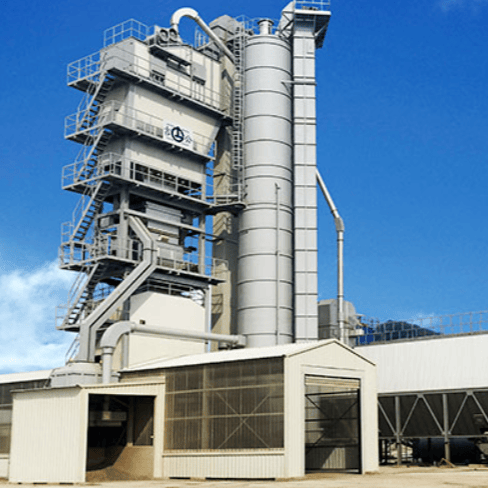
LBH4000 Batch Environmental Protection Asphalt Mixing Plant | Asphalt Batching Plant | Asphalt Mixing Plant
Jilin Province Road Construction Machinery Co., Ltd.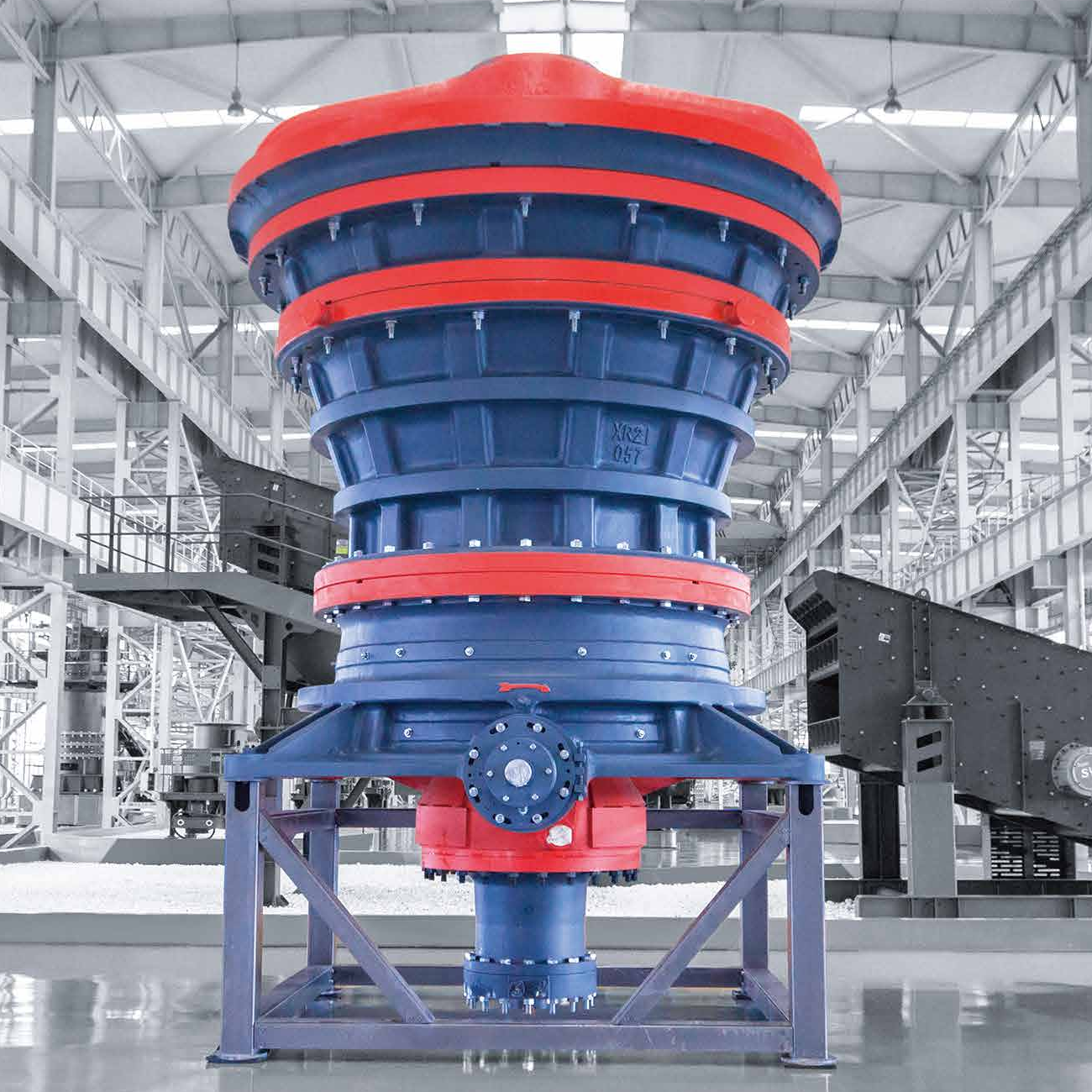
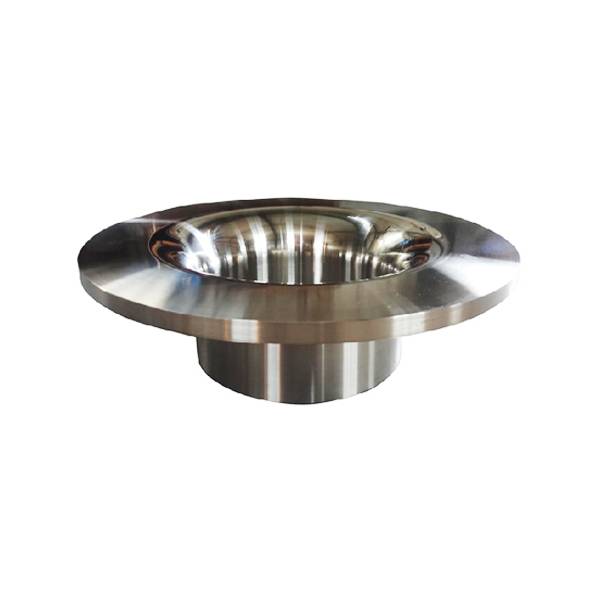
Standard Nozzle Flowmeter
Jinggong Automatic Control Instrument Complete Technology Development Company