Rheinmetall UK Uses 3D Printers to Manufacture Challenger 3 Tank Pipes
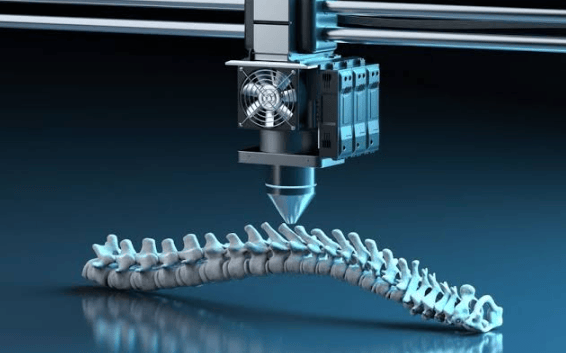
en.Wedoany.com Reported - British defense contractor Rheinmetall UK has integrated additive manufacturing into the core production process of its Challenger 3 main battle tank project. The company revealed that it has installed the Ignite 3D printer from Finland's miniFactory at its production facility—an industrial-grade large-format polymer extrusion platform—to manufacture complex pipe assemblies for the tank.

As the UK's fourth-generation main battle tank, the Challenger 3 is jointly developed by Rheinmetall UK and BAE Systems. Compared to previous military vehicle projects where sheet metal processes sufficed for piping needs, this upgraded tank requires more complex piping due to its new architecture. While the company could turn to injection molding or rotational molding to produce more compact pipe components, these methods face challenges in cost and lead time due to the low production volume of the tank project, while also locking manufacturers into specific designs with limited flexibility for later changes.
After comprehensive consideration, additive manufacturing became the company's preferred solution. This technology enables economical low-volume production without molds, facilitates design changes without significantly increasing costs. After exploring different processes such as fused filament fabrication (FFF), selective laser sintering (SLS), and stereolithography (SLA), Rheinmetall ultimately chose FFF due to its lower capital costs, limited safety and training requirements, and performance meeting needs.

The company's multiple reasons for choosing the miniFactory Ignite printer include: the FFF system's ability to process high-temperature materials such as ULTEM 9085 required for pipe components; its open material system allows Rheinmetall to purchase raw materials in bulk from self-selected suppliers; the large build volume of 600 x 400 x 400 mm enables batch production, helping achieve cost-effectiveness. Additionally, safety, availability of local UK support, and competitive machine cost were key considerations.
Since installing the printer, Rheinmetall UK has successfully applied additive manufacturing technology to the production of complex pipes. Julian Wright, the company's Technical Project Manager, stated that additive manufacturing has now become the baseline solution for pipe manufacturing in the Challenger 3 project, enabling rapid design iterations with design changes and replacement parts produced within a day. Beyond cost savings, the technology brings greater benefits in reducing project risk, improving cash flow through on-demand production, and continuously optimizing products and manufacturing processes.

Riku Hietarinta, Chief Development Officer at miniFactory, commented that success lies not in the printer itself, but in the quantifiable value additive manufacturing is creating for production in this important UK defense project. This case reflects the growing importance of additive manufacturing in the defense sector, especially amid the trend of manufacturers seeking to enhance supply chain resilience and efficiency. Recent cases also illustrate this trend, including the US Navy using additive manufacturing to replace obsolete boiler parts, Australia using 3D printing to address submarine spare parts supply gaps, and the US Air Force planning to install 3D-printed micro blades across its entire C-17 fleet.
This article is compiled by Wedoany. All AI citations must indicate the source as "Wedoany". If there is any infringement or other issues, please notify us promptly, and we will modify or delete it accordingly. Email: news@wedoany.com
Related Products
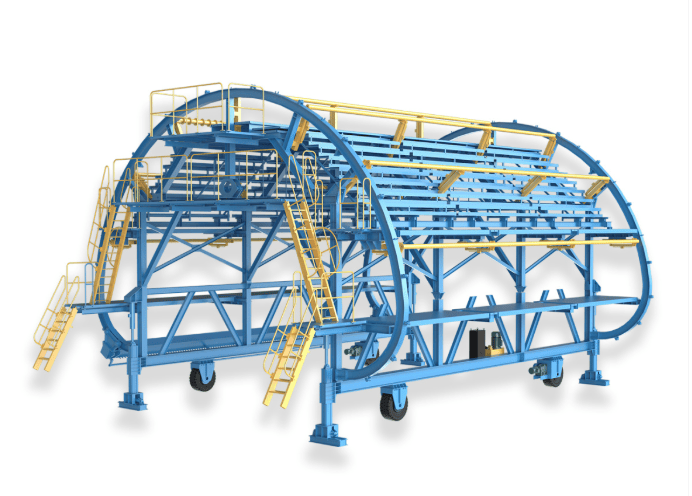

QLZNGJ Intelligent Steel Reinforcement Trolley
Luoyang China Railway Qiangli Machinery Co., Ltd.
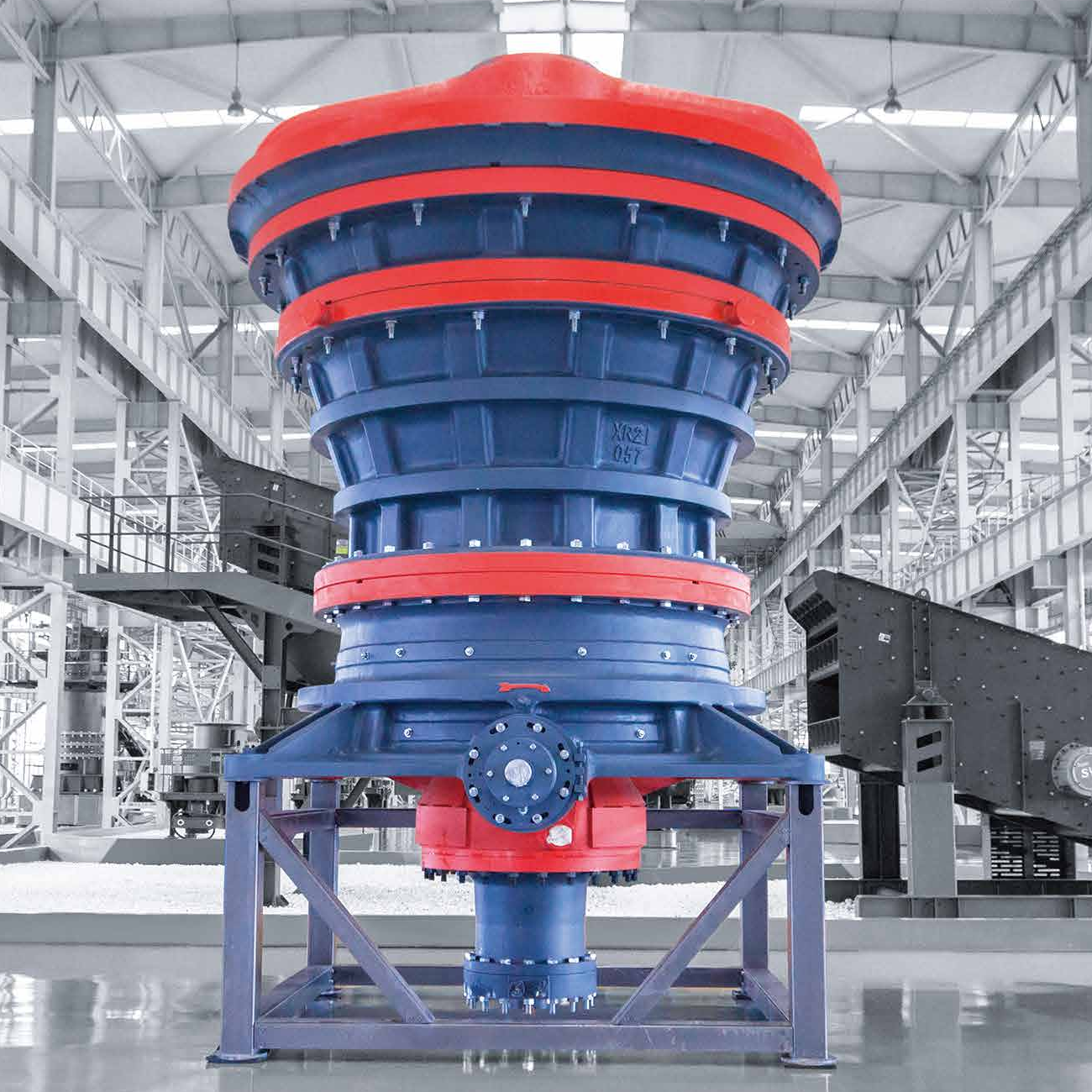

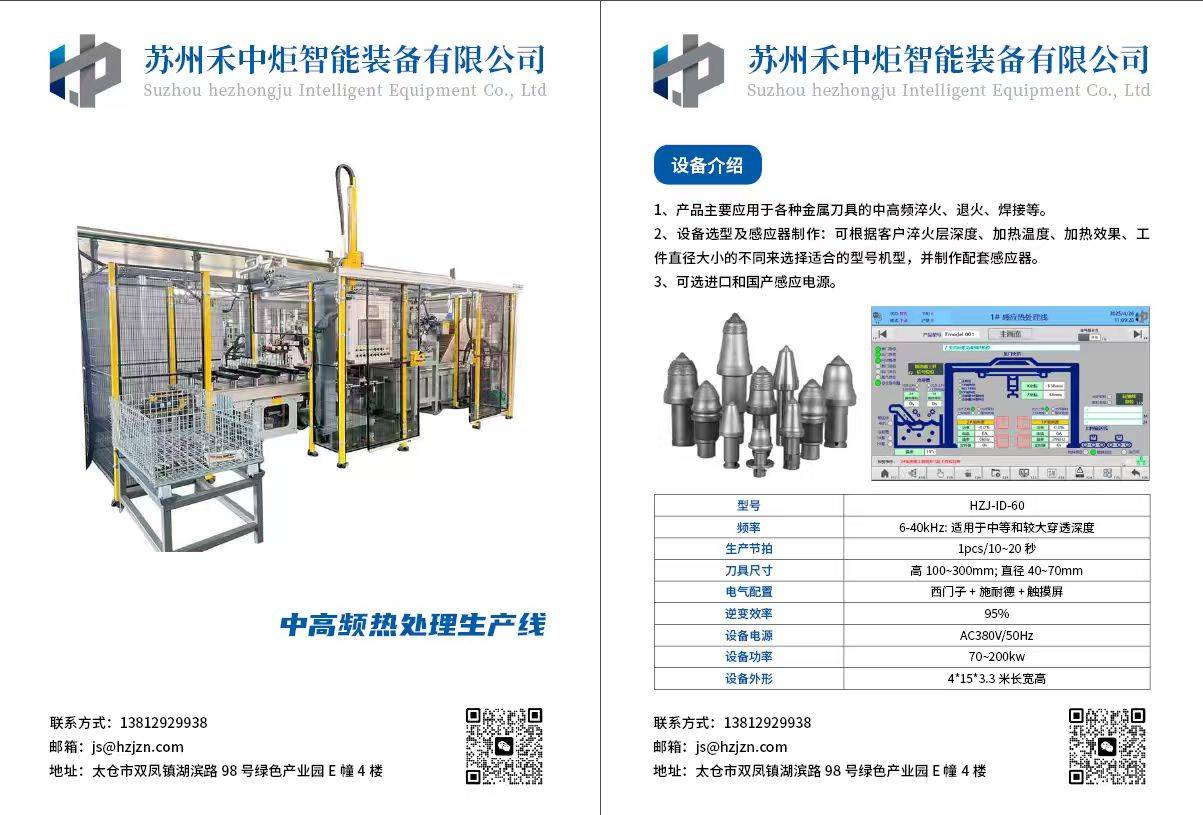
Excavator Bucket Teeth Heat Treatment Production Line
Suzhou Hezhongju Intelligent Equipment Co., Ltd.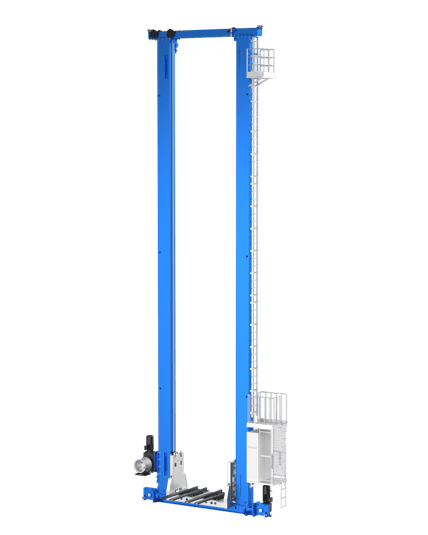
Pallet Solutions Product Line: HD3000 Double-Column Stacker Crane
Zhongding Intelligent (Wuxi) Technology Co., Ltd.
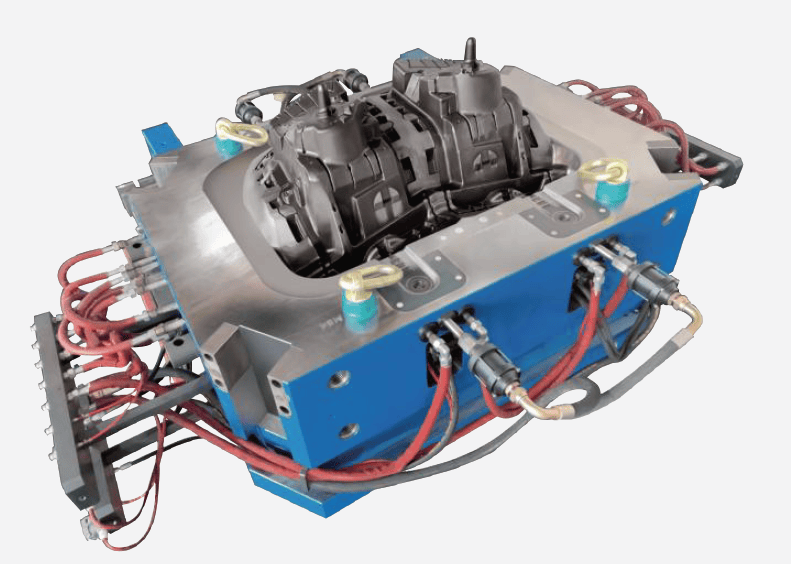
Aluminum-Magnesium Alloy High-Pressure Die-Casting Molds
NINGBO HELI TECHNOLOGY CO., LTD.
Strip Coating and Plating Production Line Equipment
MCC-SFRE HEAVY INDUSTRY EQUIPMENT CO., LTD.