China's IO-AI Tech Achieves Remote Control of Dozens of Humanoid Robots
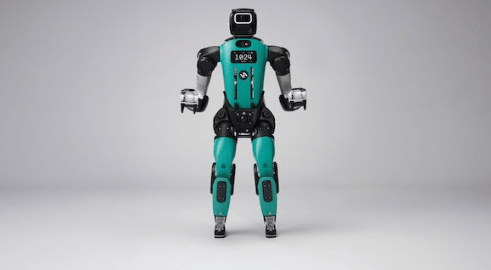
en.Wedoany.com Reported - Chinese startup IO-AI Tech has developed a technology that allows operators to simultaneously control dozens of humanoid robots using VR headsets and motion-tracking gloves. In an exclusive demonstration, a visitor successfully controlled ten robotic hands from different companies at once, with finger movements directly transmitted to all 50 robot fingers.

The technology supports bidirectional motion transmission, allowing the operator not only to move the robots but also to perceive objects held by the electronic hands. During testing, a journalist invited to IO-AI Tech's Shenzhen headquarters experienced the system, which is being trialed by a Chinese supermarket chain. The journalist donned a VR headset and a pair of grippers, attempting to retrieve medicine boxes from a shelf. Despite initial disorientation due to a slight delay between actions and robot responses, after several practice attempts, he organized the shelf like an experienced operator.
The algorithm developed by IO-AI Tech combines human control with a degree of autonomy. This is necessary because human body shapes, sizes, and weights do not always match those of robots. Without independent movement capabilities, robots risk losing balance. This approach enables Chinese humanoid robots to perform precise operations in various scenarios. Shenzhen, home to thousands of manufacturers, provides a strategic advantage for IO-AI Tech. Company co-founder Si Chin stated that the location facilitates the development and improvement of new prototypes. He also mentioned that the company collaborates with multiple local manufacturers interested in automating tasks. One of IO-AI Tech's clients is Jack Sewing Machines, a Chinese garment manufacturing equipment company. The two parties are collaborating to train dual-arm robots for tasks such as ironing shirts. These robots can be installed on existing production lines to automate processes currently performed manually.
Some robotics experts believe that feeding large amounts of remote operation data to AI algorithms will ultimately produce highly versatile and powerful models. However, Si Chin holds a different view. He argues that a gradual application of AI-driven automation is more reasonable.
"This is similar to autonomous vehicles," Si Chin said, referring to how these machines are already being used in different environments with increasing levels of autonomy. "You need training data that is more focused on the specific problem you are trying to solve." Si Chin also revealed that the remote operation technology has even begun to be applied in some vocational schools in China. This indicates its potential for broader adoption in education and workforce training.
Another demonstration featured a VR headset and full-body tracking sensors reminiscent of "Ready Player One." In a large room, workers used different systems to control small Unitree robots. An operator walked, with a Unitree robot following alongside, mimicking its movements within a simulated apartment. The operator, wearing a VR headset, observed the scene through a camera positioned at the robot's eye level, performing necessary actions such as taking a shirt from a hanger and folding it.
China's competitive advantage in manufacturing has already produced cost-effective robots like those from Unitree. If IO-AI Tech is any indication, China may also help AI take control of the physical world. Remote operation technology could serve as an important bridge to a more advanced era of automation, where humans and robots collaborate seamlessly.
Against the backdrop of rising AI costs and companies like Uber and Microsoft beginning to question its efficiency, IO-AI Tech's focus on specific applications and targeted data offers a more pragmatic alternative. Similar technologies are also being applied in various fields, including ensuring the safety of millions of pilgrims in 2026.
This article is compiled by Wedoany. All AI citations must indicate the source as "Wedoany". If there is any infringement or other issues, please notify us promptly, and we will modify or delete it accordingly. Email: news@wedoany.com
Related Products
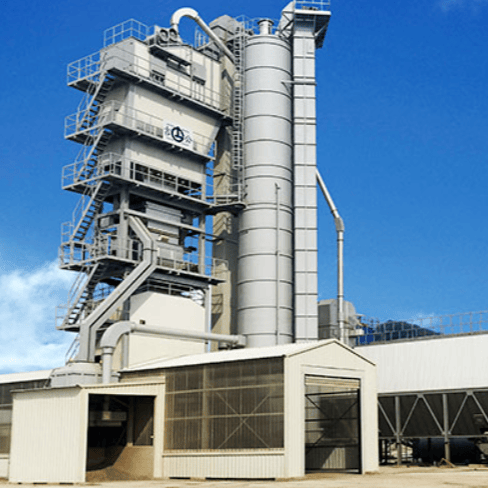

LBH4000 Batch Environmental Protection Asphalt Mixing Plant | Asphalt Batching Plant | Asphalt Mixing Plant
Jilin Province Road Construction Machinery Co., Ltd.
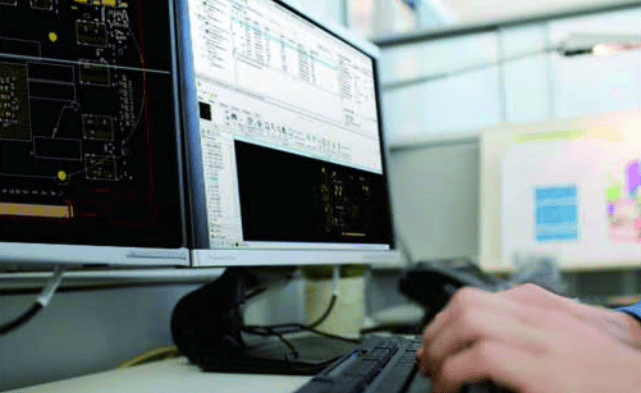

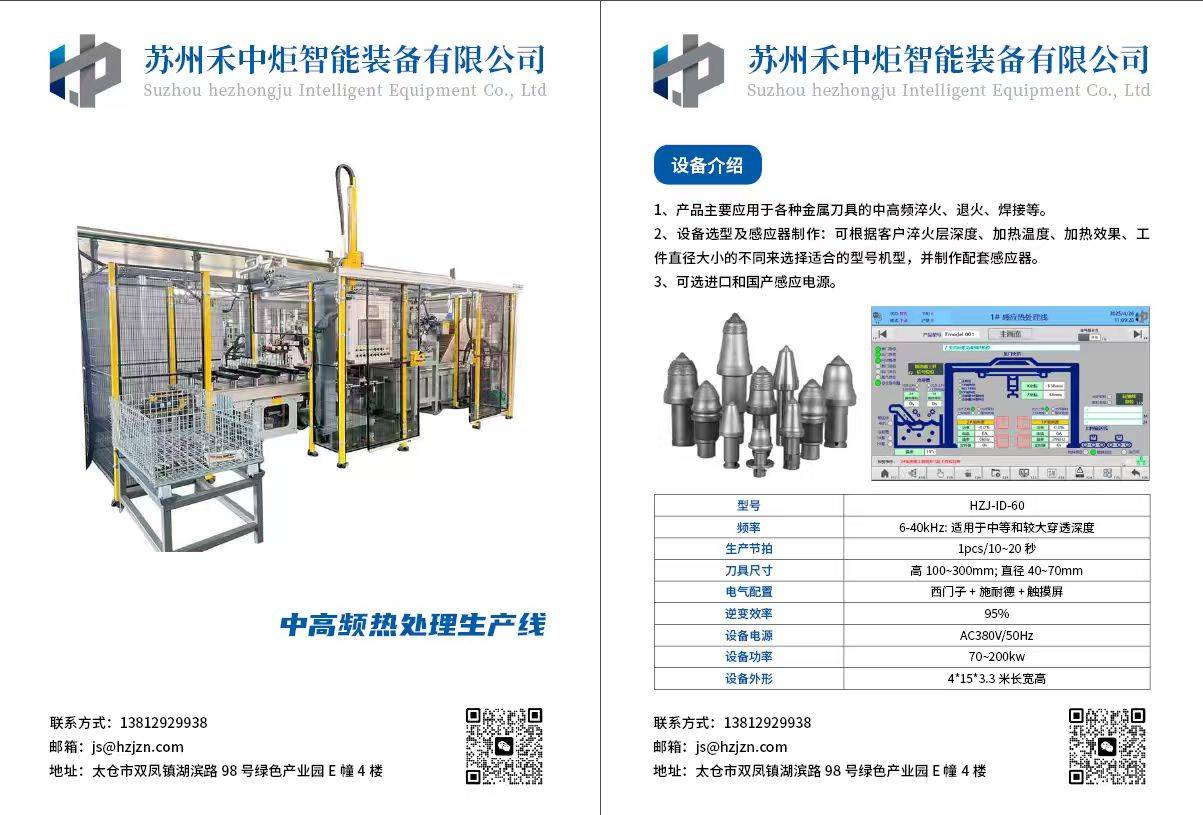
Excavator Bucket Teeth Heat Treatment Production Line
Suzhou Hezhongju Intelligent Equipment Co., Ltd.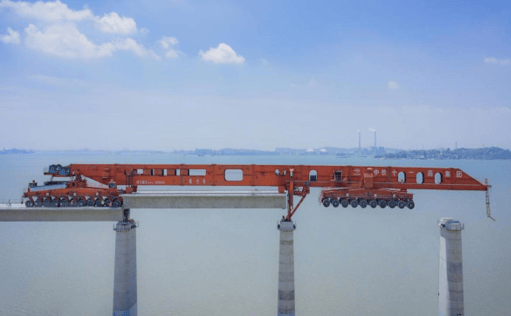
High-Speed Railway Lifting, Transporting, and Erecting Equipment: Integrated Transport and Erection Machine
Hanjiang Heavy Industry Co., Ltd. of China Railway 11th Bureau Group
CAP1400 main feedwater flow nozzle flowmeter.
Jiangsu Hongda Instrument Technology Co., LTD.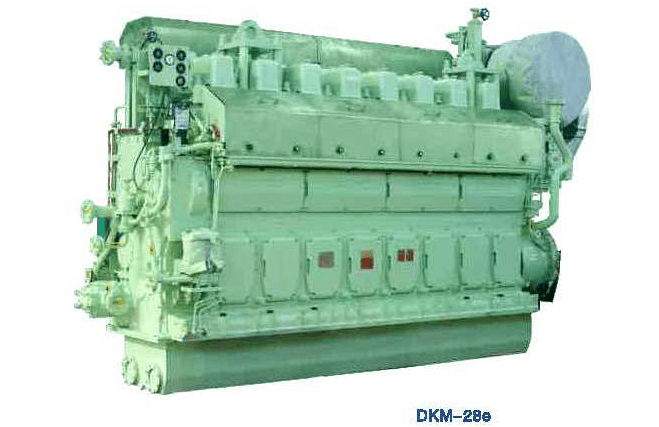
CLX Series Intelligent Hydraulic Gyratory Crusher
Guangdong CHUANGLI intelligent machinery Equipment Co., LTD