PepsiCo Achieves 20% Capacity Increase in 12-Week Pilot with Digital Twin Technology
en.Wedoany.com Reported - PepsiCo is transforming the industrial metaverse from concept into practical capability. By integrating industrial AI with advanced simulation technology, the company has adopted a digital-first design approach driven by Siemens technology and accelerated by NVIDIA, reimagining the design, testing, and optimization processes of its production operations.
At the Siemens Realize conference, Steve Hoinka, PepsiCo's Vice President of Global Manufacturing Strategy, shared this practice. He noted that all decisions are tested in a virtual environment before any physical capital is invested. Using digital twin technology and industrial AI, the PepsiCo team was able to reconfigure production lines, adjust product flow in real time, customize packaging strategies, and redesign warehouse layouts. This was accomplished in an interactive environment that evaluates thousands of scenarios to identify the fastest and best solutions.

Hoinka stated that PepsiCo's progress in artificial intelligence stems from a long-term technical collaboration with Siemens. PepsiCo uses Siemens controllers and hardware in most of its manufacturing plants. He outlined the company's digital transformation journey, highlighting partnerships with Siemens and NVIDIA aimed at scaling digital twin technology across the company's overall operations. In a rapid pilot project, Hoinka summarized five key lessons learned: First, consistency requires a solid data foundation; PepsiCo used Teamcenter, Plant Simulation, and Digital Twin Composer, collaborating with NVIDIA and Omniverse for computing power. Second, capital decisions must be grounded in reality; digital twins can reveal flow opportunities and unforeseen issues. Third, quantifying trade-offs is critical; PepsiCo follows the principle of "validate digitally first, then implement physically." Fourth, a digital twin is a new way of working, not a project. Fifth, executive support is a catalyst for project progress.
The pilot project focused on a complex North American business challenge: integrating two historically independently operated brownfield manufacturing facilities, involving PepsiCo's beverage and snack businesses. The goal was to consolidate these operations to unlock speed, efficiency, and capacity. The project required removing parts of the warehouses from both brownfield facilities and routing products directly to a new mixing center, thereby freeing up capacity for new production lines or packaging capabilities. Hoinka noted that Siemens committed to completing this task within 12 weeks.
PepsiCo adopted a structured approach to creating the digital twin. It began with 2D scans and blueprints of the facilities, creating 3D scans and renderings down to the unit operation level to ensure modularity and support what-if scenario planning. The team then added critical information such as flow rates and capacities for every element, from production equipment to machinery planned for the mixing center, bringing the simulation to life and allowing for the execution of numerous scenarios and configurations.
Hoinka also shared a specific case involving the implementation of an Automated Trailer Loading System (ATLS) at the mixing center. Previously, when implementing a similar system at another distribution center using traditional planning methods, PepsiCo had to abandon six unloading docks. Through the new digital process, the team conducted multiple iterations, ultimately arriving at a more efficient ATLS solution with lower implementation costs, sacrificing only three docks instead of six.
The project yielded quantifiable benefits. In terms of time compression, the entire process was completed in 12 weeks, whereas typically any single aspect would take months. For risk reduction, the team avoided over 90% of potential operational issues as part of the digital twin activities. Regarding capacity improvement, the project achieved a 20% capacity increase across the entire value chain, with the team simulating network demand from raw material flow to the mixing center. In terms of capital expenditure, the ability to plan and design digitally resulted in significantly lower implementation costs compared to traditional methods. Hoinka pointed out that these benefits are conservative estimates and do not account for additional potential value from operational efficiency gains or avoiding capital expenditure by maximizing existing facilities.
When discussing how to get started with digital twins, Hoinka advised organizations to leverage existing partners, think big, start small, and move fast—considered key to the success of PepsiCo and Siemens with digital twins. He stated that the capabilities and technology already exist; the key is to begin.
This article is compiled by Wedoany. All AI citations must indicate the source as "Wedoany". If there is any infringement or other issues, please notify us promptly, and we will modify or delete it accordingly. Email: news@wedoany.com
Related Products

High-Speed Railway Lifting, Transporting, and Erecting Equipment: Integrated Transport and Erection Machine
Hanjiang Heavy Industry Co., Ltd. of China Railway 11th Bureau Group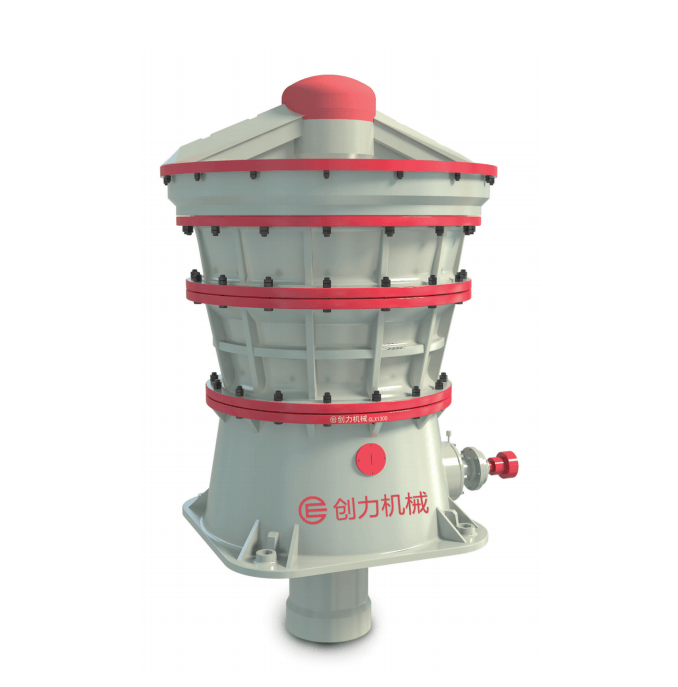
CLX Series Intelligent Hydraulic Gyratory Crusher
Guangdong CHUANGLI intelligent machinery Equipment Co., LTD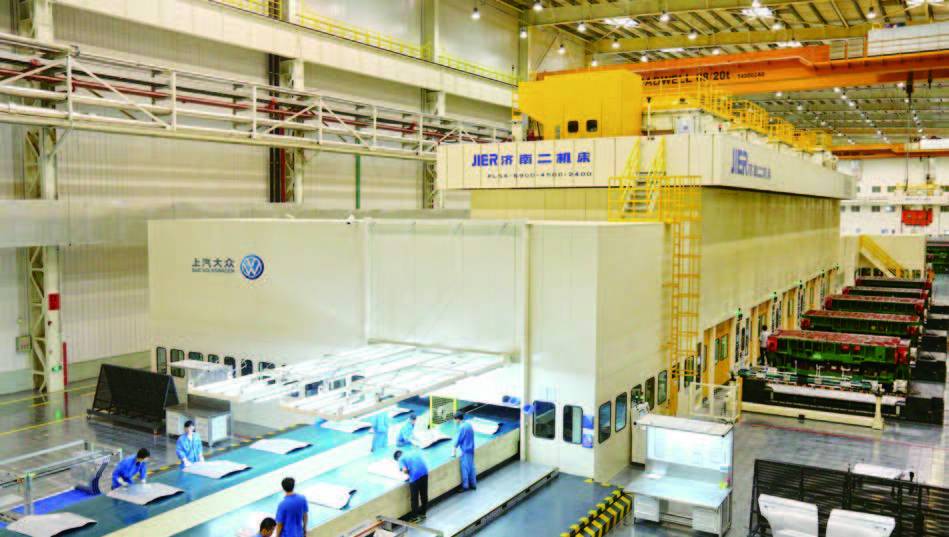
High-Speed Flexible Fully Automatic Stamping Production Line
JIER Machine-Tool Group Co., Ltd.
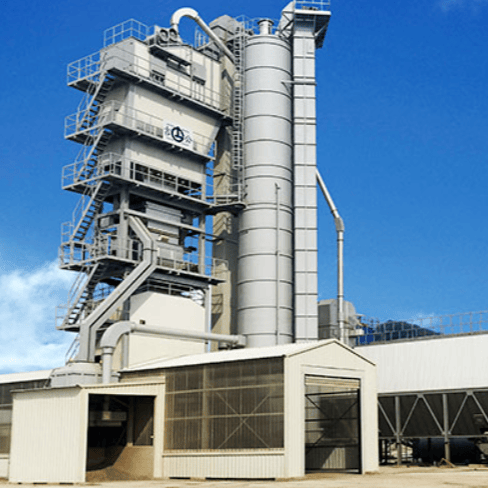
LBH4000 Batch Environmental Protection Asphalt Mixing Plant | Asphalt Batching Plant | Asphalt Mixing Plant
Jilin Province Road Construction Machinery Co., Ltd.
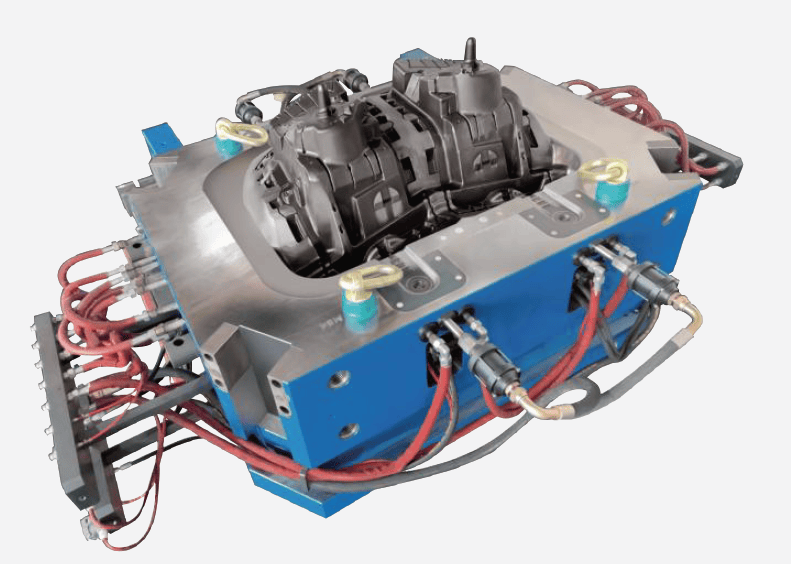
Aluminum-Magnesium Alloy High-Pressure Die-Casting Molds
NINGBO HELI TECHNOLOGY CO., LTD.
Standard Nozzle Flowmeter
Jinggong Automatic Control Instrument Complete Technology Development Company