Brazil's Foreign Ministry Urgently Searches Globally for Fertilizers
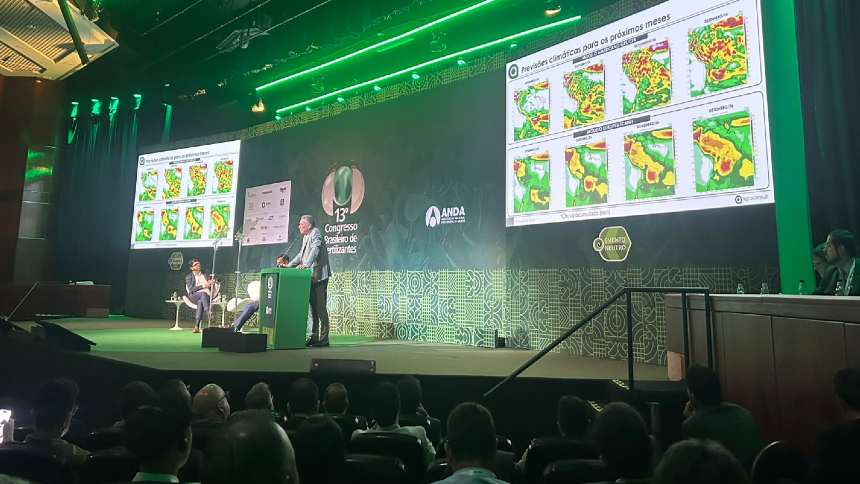
en.Wedoany.com Reported - The crisis in Brazil's fertilizer industry has fully erupted, with the sector deciding to activate the Brazilian Ministry of Foreign Affairs (MRE) to urgently seek suppliers of basic agricultural inputs worldwide. The National Fertilizer Promotion Association (Anda) and the National Union of Fertilizer Raw Material Industries (Sinprifert) have issued an alert to the ministry, with the most pressing need focused on finding suppliers in countries capable of producing phosphate fertilizers or at least their basic raw materials.
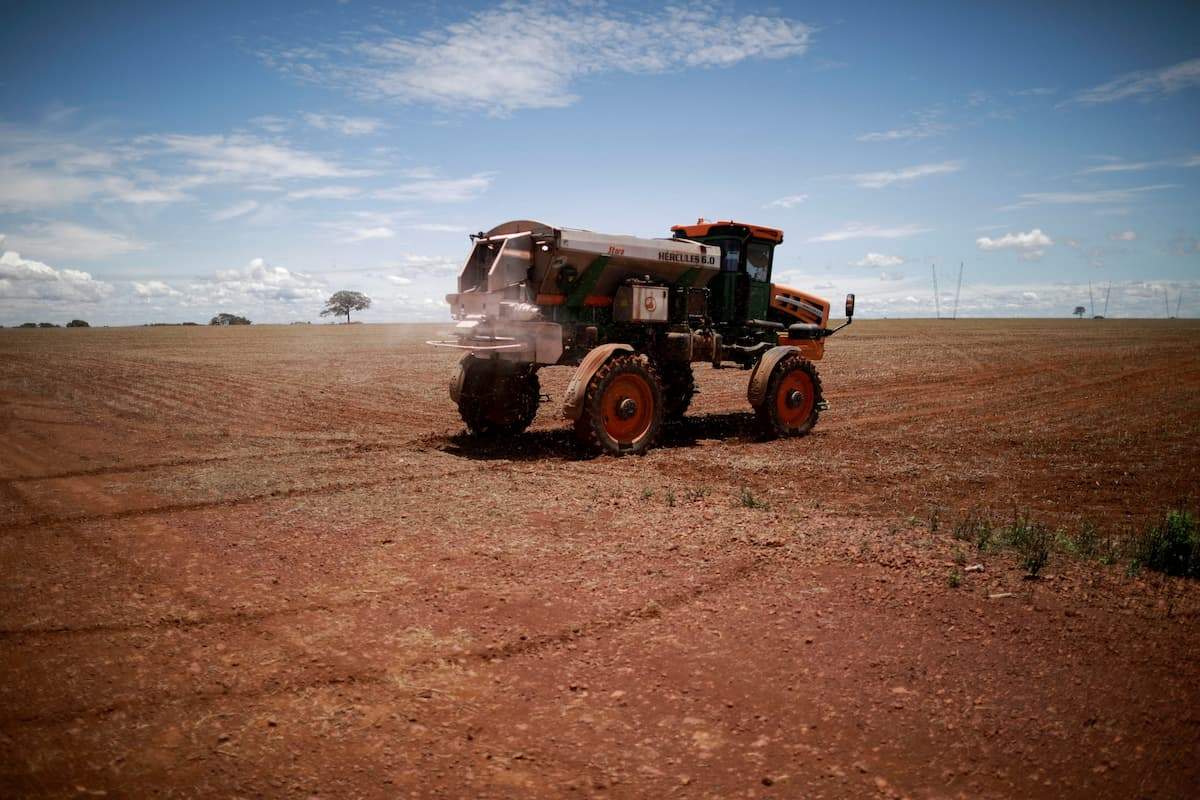
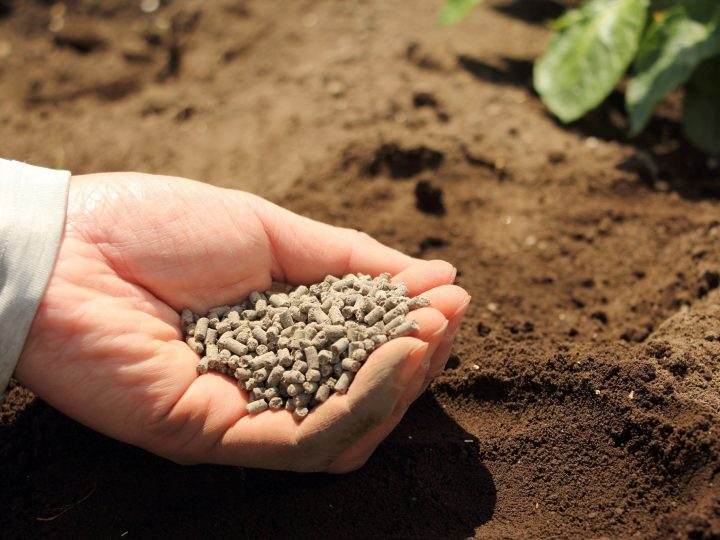
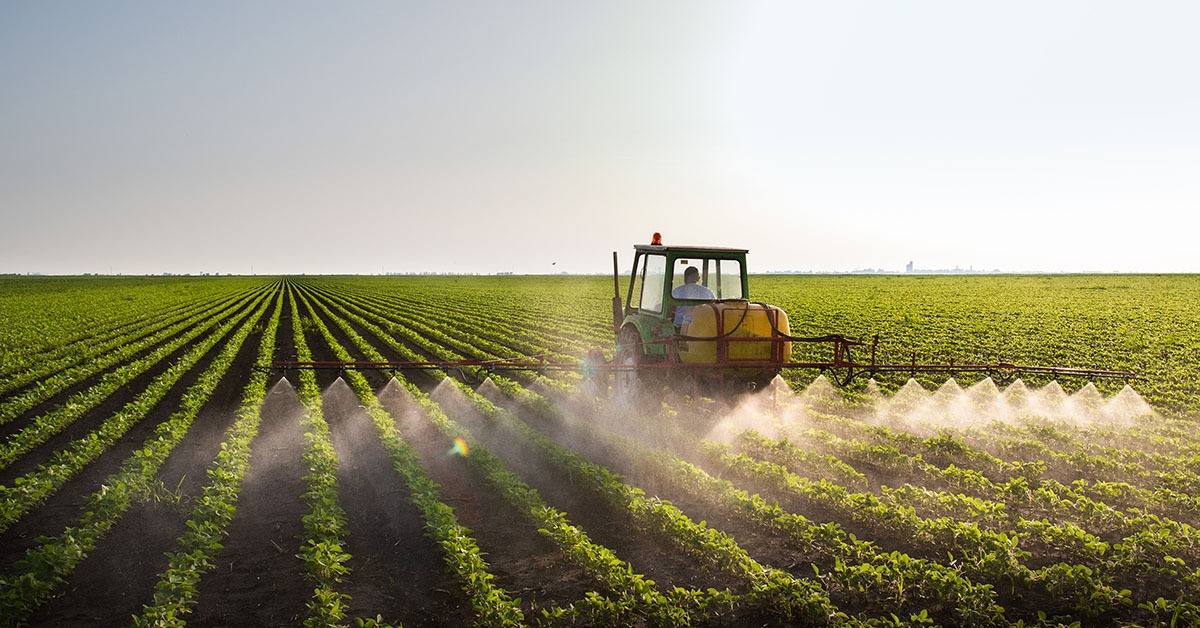
A solution must be found by August, when the 2026/2027 planting season begins. Sulfur and sulfuric acid are fundamental to fertilizer production and are crucial for maintaining the productivity of crops such as soybeans, corn, cotton, coffee, and sugarcane. Brazil is a major producer of various food products and also the world's largest fertilizer importer, relying on imports for over two-thirds of its domestic phosphate consumption. Of the 9.75 million tons of phosphate fertilizers expected to be consumed this year, 6.45 million tons must come from abroad.
The biggest concern currently is sulfur. Anda and Sinprifert have informed the government that the country urgently needs an additional 250,000 tons of sulfur per month in the coming months, or domestic fertilizer production will come to a halt. Sulfur is used to produce sulfuric acid, which is a raw material for manufacturing phosphate fertilizers. Brazil imported 2.3 million tons of sulfur in 2025, relying almost entirely on external purchases. According to a report submitted to the Ministry of Foreign Affairs, the shortage has already led to a decline in domestic fertilizer production, with some phosphate processing industrial units suspending operations.
On the 12th, the Ministry of Foreign Affairs sent requests to Brazil's diplomatic missions in dozens of countries, warning of the risk of supply shortages and seeking diplomatic support to persuade foreign governments to authorize emergency fertilizer exports. The ministry has asked embassies and consulates to submit information by this Friday. Countries listed as potential suppliers include the United States, Canada, Kazakhstan, Turkmenistan, Germany, Colombia, Spain, France, Japan, Poland, Turkey, and Venezuela.
The historic surge in sulfur prices explains the current situation. Data collected by the Ministry of Foreign Affairs from the industry shows that from January 2024 to April 2026, the price of this raw material increased by 823%, while sulfuric acid, which relies on it for production, rose by 305% over the same period. The second concern is sulfuric acid, with the industry requesting support for the urgent monthly procurement of 60,000 tons. Identified suppliers include Belgium, Bulgaria, Spain, Finland, Chile, and Peru. The third priority is finished phosphate fertilizers. The agricultural sector is trying to find suppliers capable of providing an additional 1.54 million tons of phosphate fertilizers. Potential suppliers include Germany, Egypt, Spain, India, Israel, Oman, the Netherlands, and Tunisia.
Reasons behind the difficulty in obtaining fertilizers include the closure of the Strait of Hormuz and China's restrictions on urea exports. Approximately 15% of Brazil's fertilizer imports come from the Middle East, a region affected by conflict. Iran, Qatar, Saudi Arabia, Oman, and the United Arab Emirates together accounted for 36% of Brazil's urea imports in 2025. International attention on fertilizers is so high that the United States has included phosphates and potash on its official critical minerals list.
The Ministry of Foreign Affairs stated that it has prioritized the fertilizer issue, both in the diplomatic agenda of Minister Mauro Vieira and in engagements with the private sector. The topic has taken precedence in recent visits, with the minister discussing it with high-level authorities from Uzbekistan, Kazakhstan, and China. The ministry confirmed that the trade department and Brazilian embassies are working to assist in mapping opportunities in the global fertilizer market and are in contact with the Brazilian Agriculture and Livestock Confederation and the Federation of Industries of the State of São Paulo. Anda stated it would not comment, while the Ministry of Agriculture and Livestock and Sinprifert had not responded by the time of this publication.
This article is compiled by Wedoany. All AI citations must indicate the source as "Wedoany". If there is any infringement or other issues, please notify us promptly, and we will modify or delete it accordingly. Email: news@wedoany.com
Related Products


4HS-8 High-efficiency Peanut Inverted-laying Harvester
Hebei Yongfa Hongtian Agricultural Machinery Manufacturing Co., Ltd.
714CD Series C-Band Weather Radar
Chengdu Zhongdian Jinjiang Information Industry Co., Ltd.