Spanish government measures help steel industry cut energy costs by 14%
en.Wedoany.com Reported - The Spanish Steel Association (Unesid) stated that temporary measures implemented by the government to address the economic impact of the Iran conflict have reduced its energy costs by approximately 14% compared to what they would have been without such measures, and called for these temporary measures to be transformed into structural arrangements.
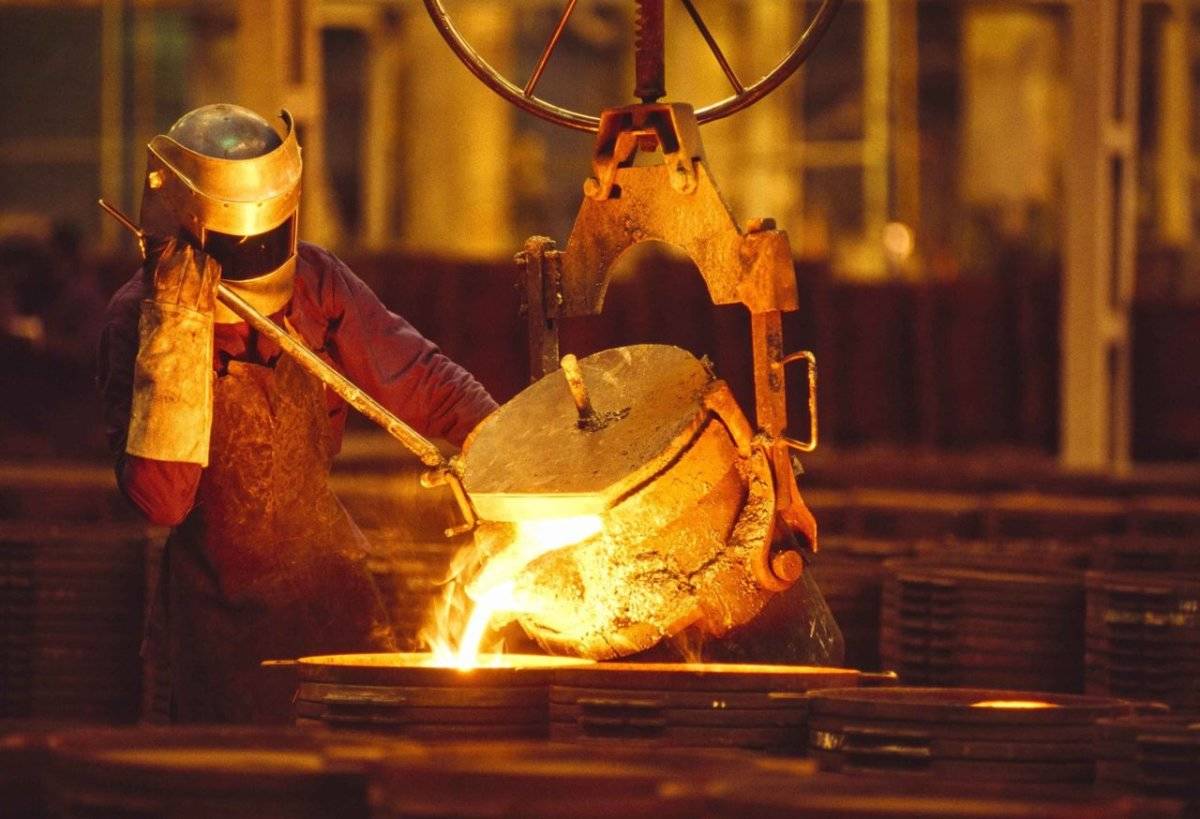
Unesid Director General Carola Hermoso stated at a press conference in Madrid that these measures include the cancellation of value-added tax on electricity production and toll discounts for high-energy-consuming users. She believes that while support is needed amid the complex situation, addressing the structural issue of high energy costs is crucial.
Unesid recently met with Spain's First Deputy Prime Minister and Minister of Economy Carlos Cuerpo and Minister of Industry Jordi Hereu, where structural needs were raised. One of the industry's priorities is improving the allocation of the mechanism for compensating indirect CO2 costs. Unesid believes that after including new participants, the allocation should be at least 1 billion euros.
Unesid Chairman Bernardo Velázquez commented that renewable energy has relatively well stabilized electricity prices under the current geopolitical context, but after adding taxes, tolls, and system costs, electricity prices remain high. He called for transforming temporary measures into structural ones to enhance the competitiveness of Spanish industry.
Velázquez noted that the main impacts of the crisis include a rise in natural gas prices, which has weakened Europe's competitiveness compared to natural gas-producing countries such as the United States that are unaffected by the situation.
This article is compiled by Wedoany. All AI citations must indicate the source as "Wedoany". If there is any infringement or other issues, please notify us promptly, and we will modify or delete it accordingly. Email: news@wedoany.com
Related Products
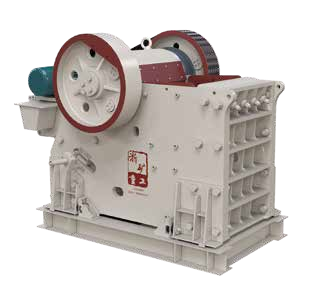

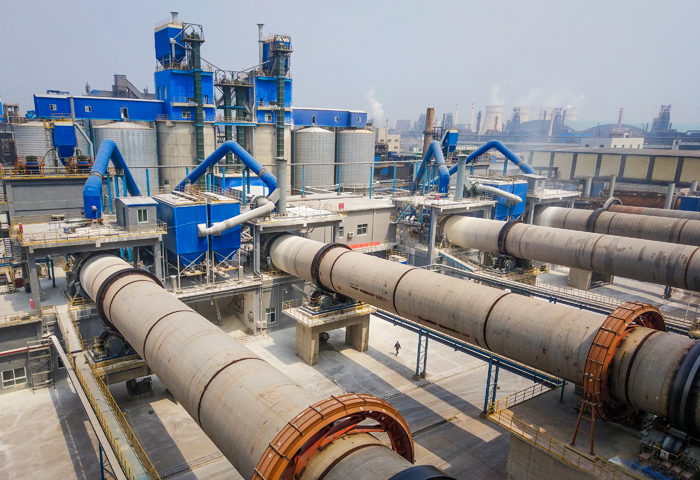
CITIC Heavy Industries Metallurgical Equipment Steel Smelting Engineering Equipment
CITIC Heavy Industries Co., Ltd.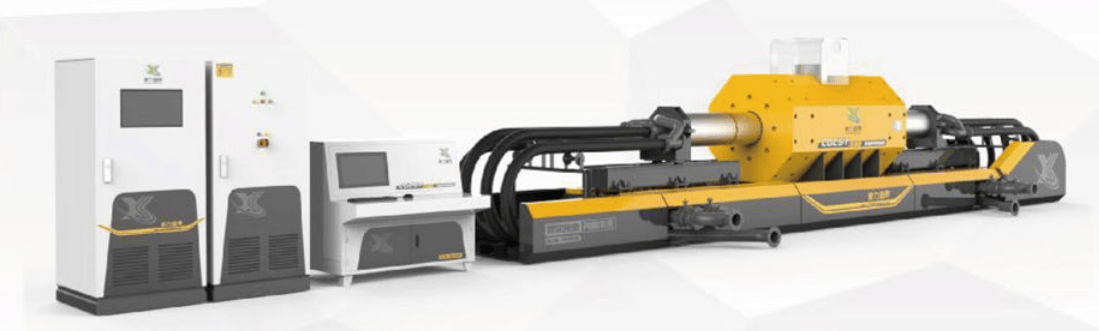
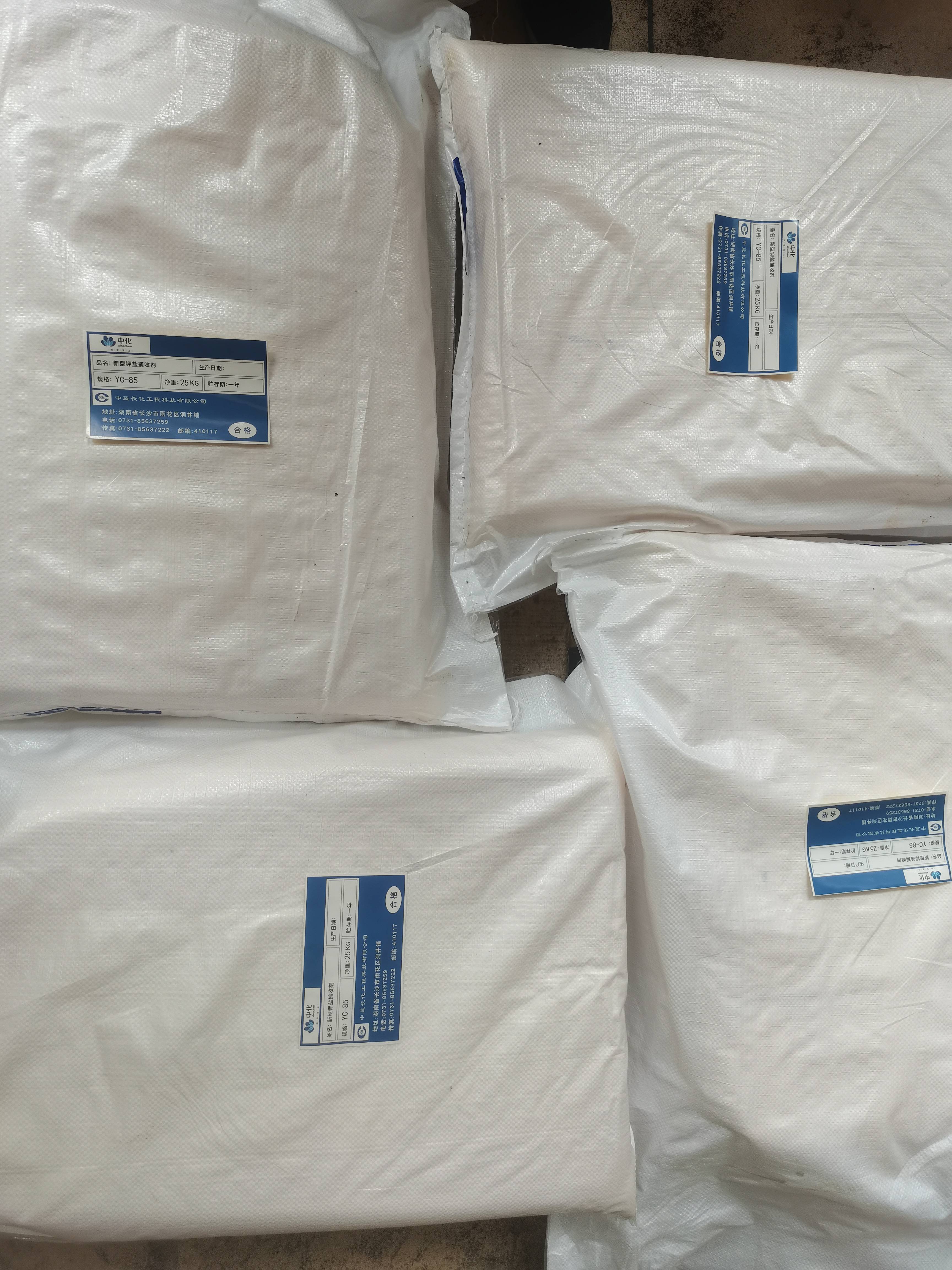
New Environmentally Friendly Green Potassium Salt Collector
Chonfar Engineering and Technology Co., Ltd.
Quick-Change Single-Seat Control Valve / Quick-Change High-Pressure Single-Seat Control Valve
Beijing Consen Automation Technology Co., Ltd.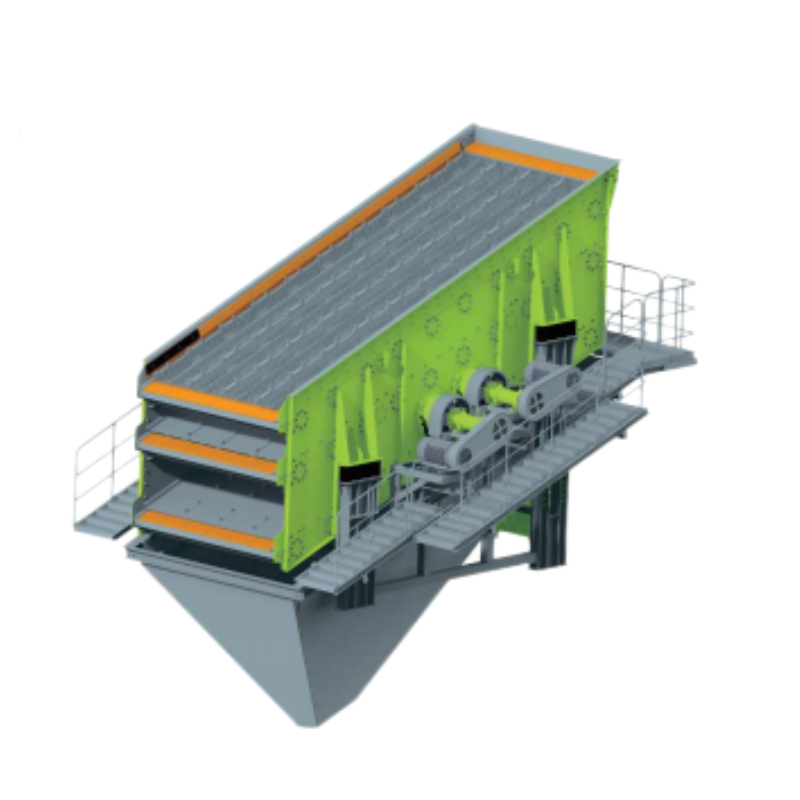
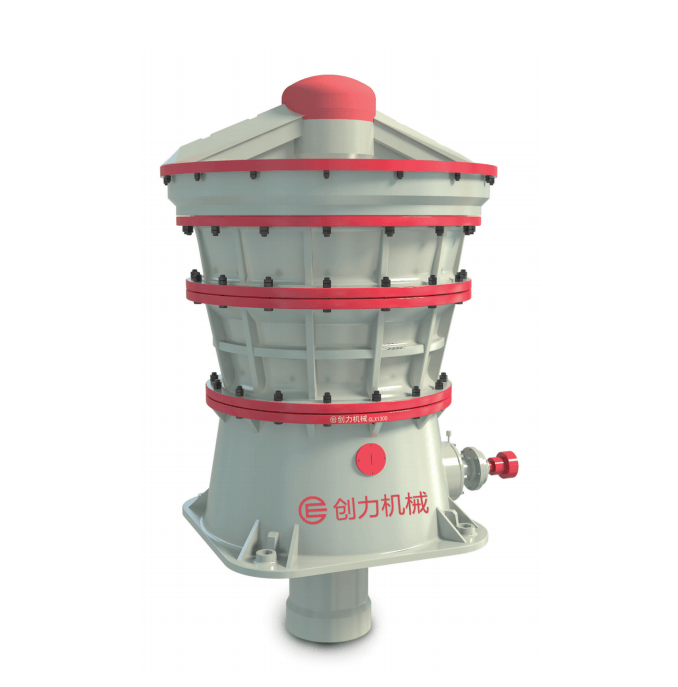
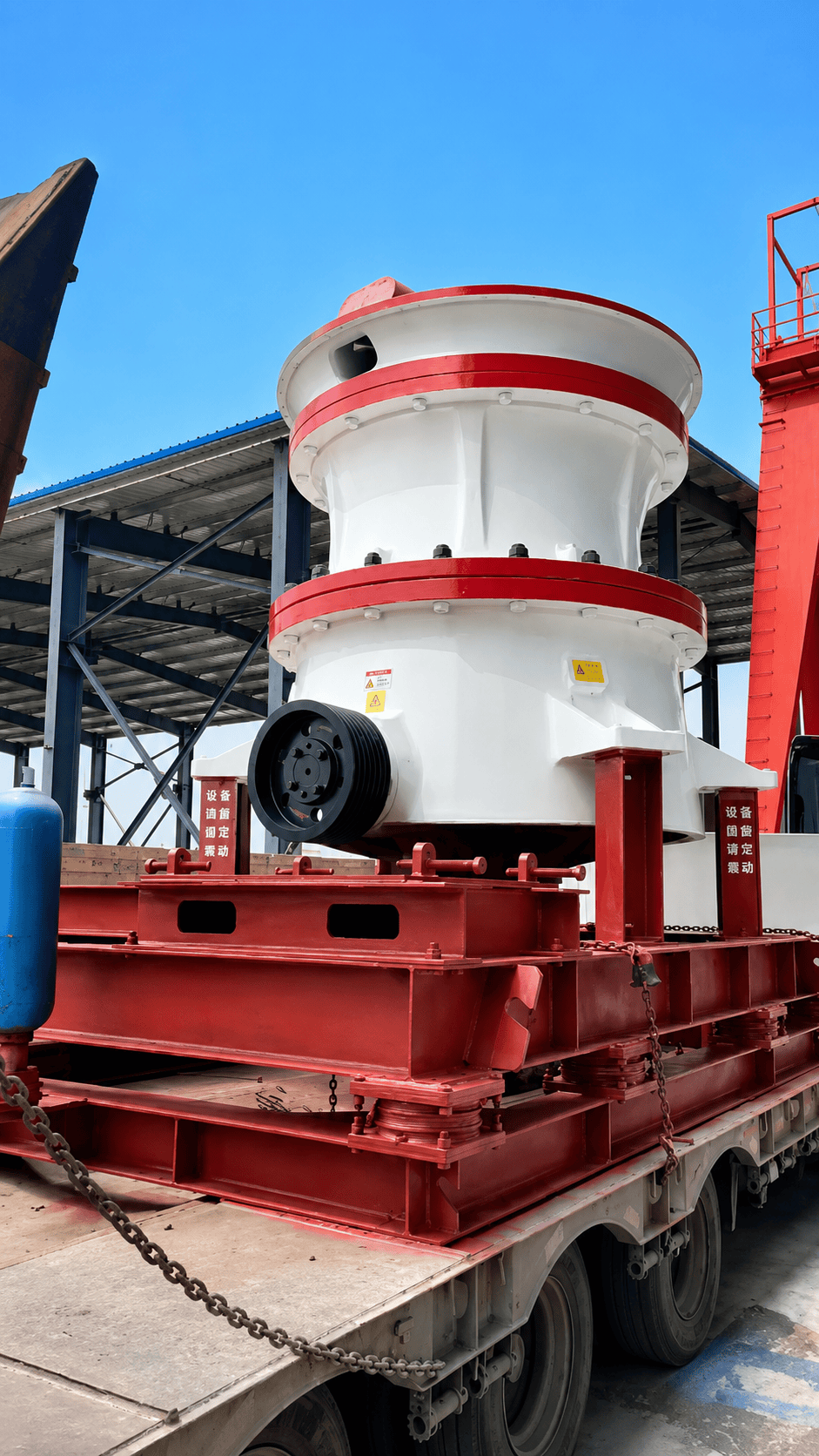
CLX Series Intelligent Hydraulic Gyratory Crusher
Guangdong CHUANGLI intelligent machinery Equipment Co., LTD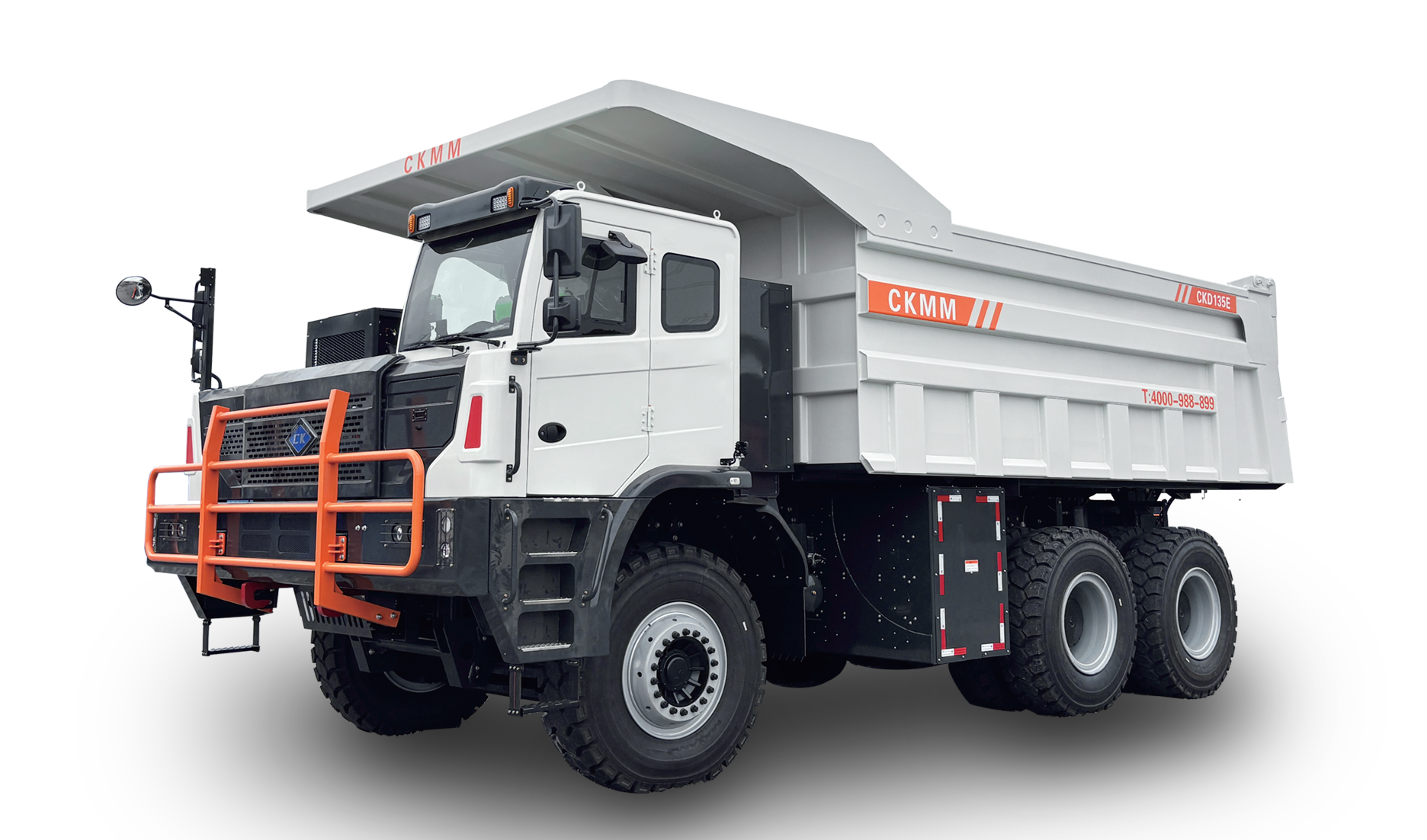
CKD135E Pure Electric Wide-body Dump Truck
Jiangsu Changkuang Engineering Machinery Co. Ltd.
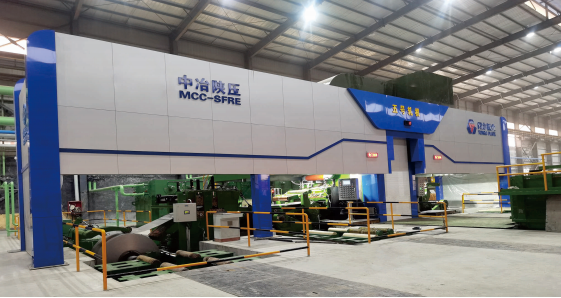
1050-1750mm Steel Strip Single-stand Reversible Cold Rolling Production Line
MCC-SFRE HEAVY INDUSTRY EQUIPMENT CO., LTD.