Uzbekistan's First Nuclear Power Project Enters Construction Phase, Environmental Monitoring System Launched Simultaneously
en.Wedoany.com Reported - Uzbekistan is advancing its first major nuclear energy project. In June 2026, construction of the first unit of the nuclear power plant in the Jizzakh region will commence. The project plan includes two high-power VVER-1000 reactors and two small RITM-200N reactors. As a key infrastructure project in the country's energy structure transformation, the nuclear power project is not only related to power supply capacity but also imposes higher requirements for environmental protection and public safety.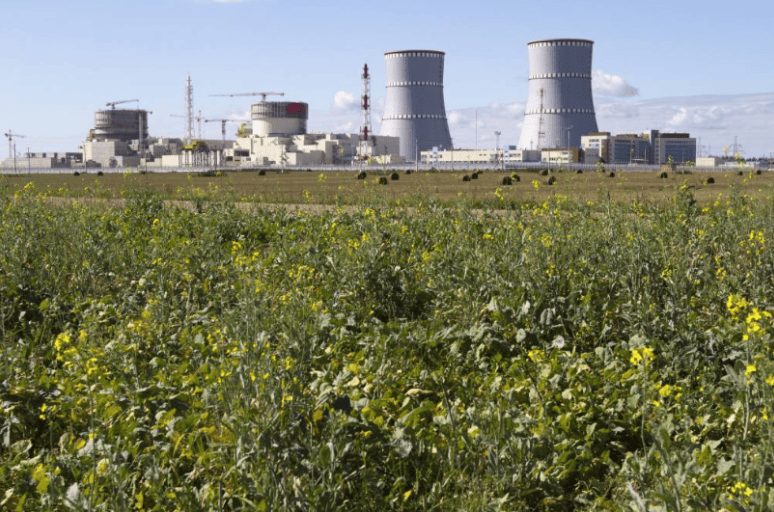
In conjunction with the construction of the nuclear power plant, Uzbekistan has begun establishing mechanisms for environmental impact assessment and ecological control. In May of this year, a dedicated expert group was formed to conduct a national ecological review of the environmental impact assessment materials for the nuclear power plant construction. This expert group, composed of local professionals and experts from specialized agencies in Belarus, will conduct a comprehensive analysis of the atmosphere, water resources, soil, flora and fauna, groundwater hydrology, and seismic conditions, while also studying opinions raised during public hearings.
According to the relevant concepts of the International Atomic Energy Agency (IAEA), new nuclear energy projects should incorporate environmental protection requirements from an early stage. This process begins with site selection and runs through environmental impact assessment, construction, and subsequent operation. Among these, determining the initial ecological and radiation background values before the nuclear power plant is put into operation is particularly important, as all future monitoring data will be compared against these "baseline values" to determine whether abnormal changes in the environmental state have occurred.
International experience provides a reference for Uzbekistan. Belarus's first nuclear power plant, built using Russian technology, currently supplies approximately 40% of the country's electricity. A comprehensive radiation ecological monitoring system has been established around the plant. The 2024 monitoring report shows that radiation indicators of agricultural products in the observation zone did not exceed the initial background levels determined during the construction phase. The Belarusian nuclear power plant has also deployed an automated radiation monitoring system, which measures gamma radiation intensity through sensors at monitoring points and performs spectroscopic analysis, with relevant data automatically transmitted to the operations center.
For countries with hotter climates, the experience of the Barakah nuclear power plant in the United Arab Emirates is also instructive. The plant initiated radioecological monitoring before fuel loading of its first unit and publishes results twice a year. The monitoring covers soil, air, seawater, groundwater, drinking water, as well as the condition of fish and other organisms. From this perspective, as Uzbekistan advances its first nuclear power project, it needs to focus on determining initial environmental and radiation backgrounds, building automated monitoring systems, conducting laboratory testing, assessing local climate and hydrogeological factors, and ensuring the disclosure of environmental information.
This article is compiled by Wedoany. All AI citations must indicate the source as "Wedoany". If there is any infringement or other issues, please notify us promptly, and we will modify or delete it accordingly. Email: news@wedoany.com
Related Products
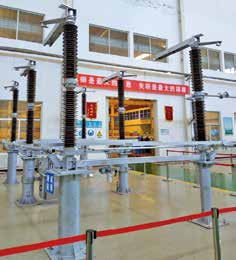

GW4-40.5/72.5/126/145/170/252/363/420 Series Double-column Horizontal Rotary High-voltage AC Disconnect Switch
SHANDONG TAIKAI DISCONNECTORS CO., LTD.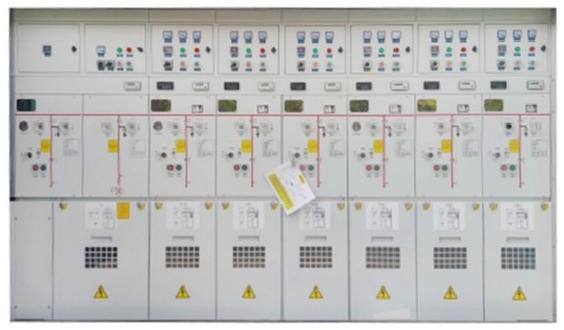
NISELA Series Environmentally Friendly Gas-Insulated Ring Main Unit
XJ DELISHIER ELECTRIC CO., LTD.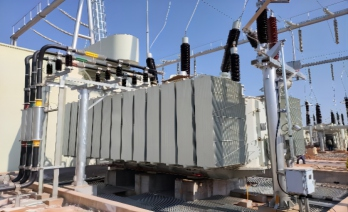

Modular Multifunctional Water Supply and Drainage Vehicle (18T)
Changsha Dewater Machinery Technology Co., Ltd.

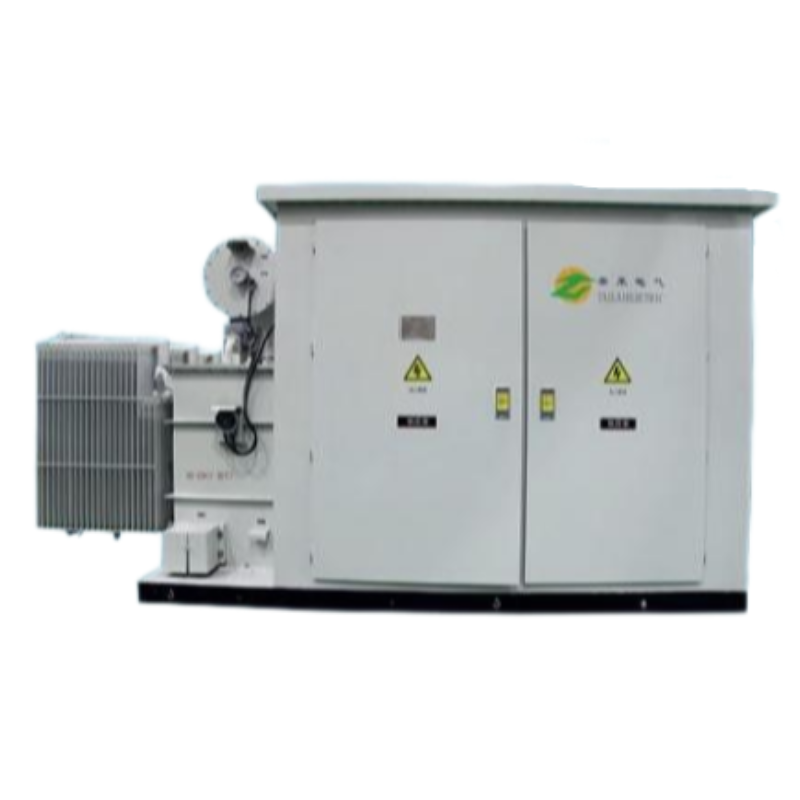

Hydrogen production and hydrogenation charging refueling gas integrated energy station
Shenzhen Kohodo Hydrogen Energy Co., Ltd.