Finland's Posiva completes full-scale installation test of spent fuel disposal canister
en.Wedoany.com Reported - Finland's Posiva has made new progress in preparations for the final disposal of spent fuel. This week, the company completed for the first time a full-scale installation test of the disposal canister and bentonite buffer blocks. During the test, the canister was installed into the buffer structure within the disposal hole, but no spent fuel was loaded inside.
Juha Riihimäki, Technical Manager at Posiva, stated that the installation test was successful on the first attempt. This marks an important step for the company toward actual final disposal operations, as the safe and planned installation of the disposal canister directly affects long-term disposal safety and regulatory compliance. He noted that before obtaining an operating license, the company must demonstrate that the canister installation process is safe and reliable, and further verification will continue through new tests.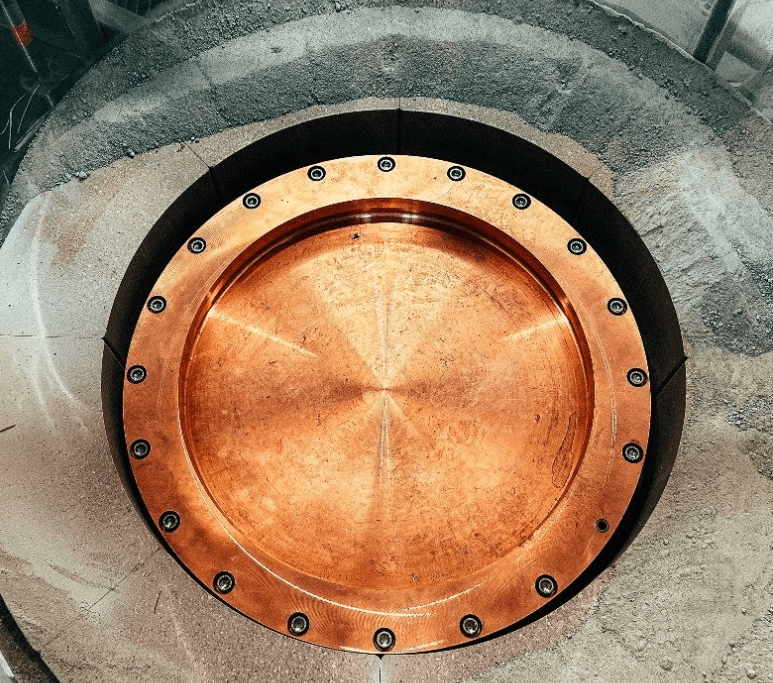
Eero Väisänen, Project Manager responsible for on-site supervision, stated that this was the first time a full-scale disposal canister and buffer device had been installed using bentonite, and the actual final disposal will follow the same process. Through this test, the team also confirmed that the relevant systems and control devices can operate together as planned.
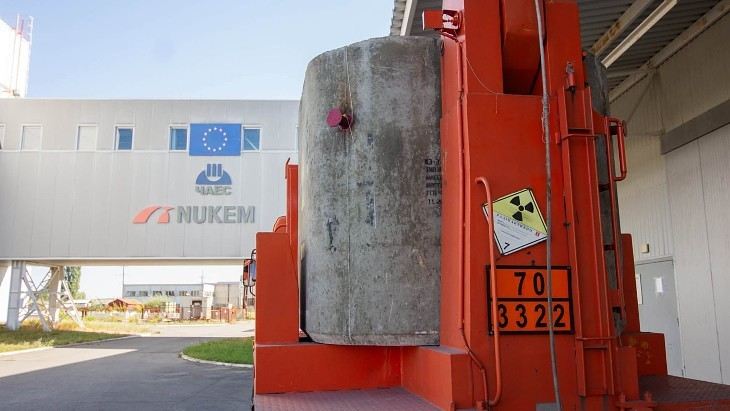
After completing the installation test, the canister transport and installation vehicle KSAA, used for installing the disposal canister and buffer device, was transported to the underground disposal facility, where further tests were conducted. KSAA is one of the most technically demanding pieces of equipment in the disposal facility and is the last major production equipment still in the manufacturing and commissioning phase for Posiva.
During the underground tests, the team focused on inspecting canister handling in the reception area, as well as the equipment's automatic functions, remote connectivity, navigation, and precise positioning. Väisänen stated that these tests are critical for risk management, as the installation accuracy requirement for the disposal canister is approximately 5 millimeters, and all components must operate reliably.
In the coming weeks, the KSAA vehicle will undergo final surface tests. According to the plan, it will begin formal commissioning tests deep in the Olkiluoto bedrock in the second half of this year.
Väisänen stated that all work this week progressed smoothly, even exceeding expectations. The full-scale buffer device installation test was successful, KSAA entered the underground facility smoothly, and canister handling tests proceeded as planned. He said these achievements represent thousands of work hours and years of effort by the team, and thanked all participants for their contributions.
This article is compiled by Wedoany. All AI citations must indicate the source as "Wedoany". If there is any infringement or other issues, please notify us promptly, and we will modify or delete it accordingly. Email: news@wedoany.com
Related Products
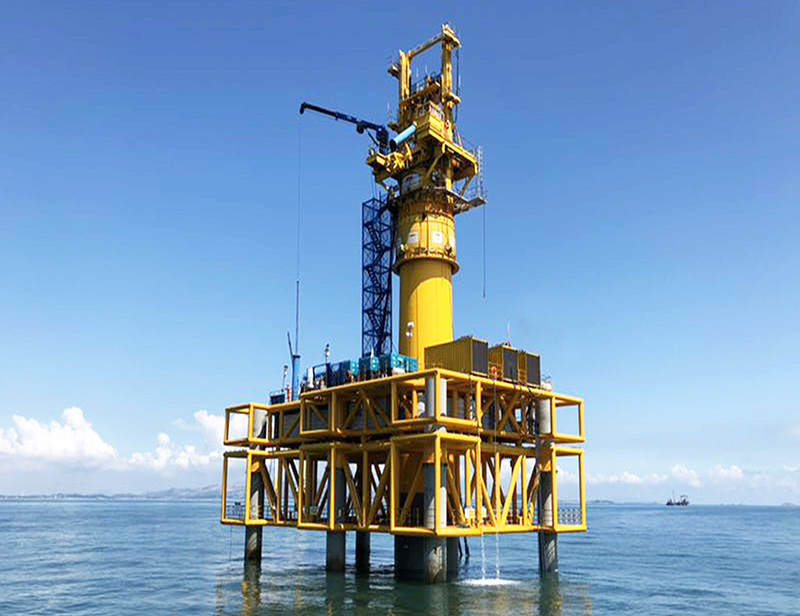

CITIC Heavy Industries Offshore Wind Power Equipment Hydraulic Pile Hammer
CITIC Heavy Industries Co., Ltd.
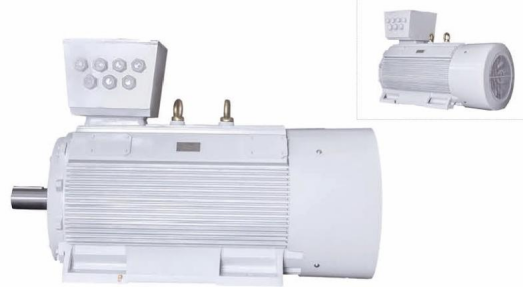
YE3 Series Low Voltage High Power Three-Phase Asynchronous Motor
Shandong Lijiu Electrical Machinery Co., Ltd.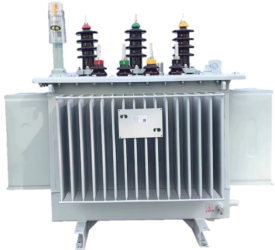
Oil-immersed Amorphous Alloy Core Distribution Transformer
Pinggao Group Smart Electric Co., Ltd.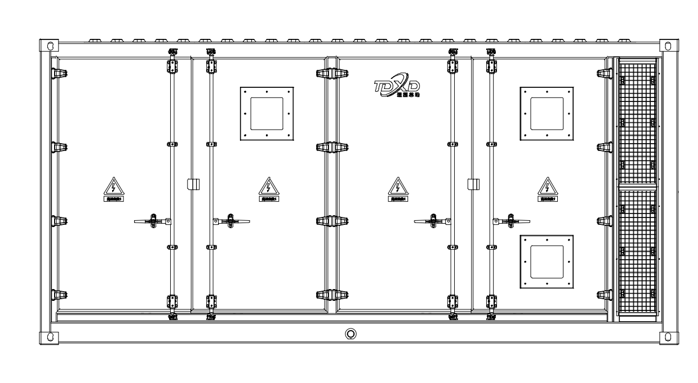
5012kWh DC Energy Storage System TD-EES-5012kWh
Suzhou Tongding Xindong Energy Storage Technology Co., Ltd.