BW Group of Singapore Unveils $20 Billion Investment Plan
en.Wedoany.com Reported - Andreas Sohmen-Pao, Chairman of BW Group, has disclosed plans to invest billions of dollars in vessels, offshore wind installation, battery storage, and digital infrastructure over the coming years, further consolidating the group's industry-leading position.
Specifically, in his Chairman's message for the BW Group magazine World Horizon, he stated that from 2020 to 2030, BW Group expects to invest over $20 billion, covering newbuilds, growth businesses, and infrastructure.
He noted that long-term thinking is important when it comes to investment. BW Group is actively investing, not because asset prices are cheap, but with a long-term perspective. He believes that investment must be disciplined and patient, rather than reacting to short-term market fluctuations.
He stated, "This is a large-scale capital deployment, reflecting both the scale of the renewal required and the breadth of the platforms being built. The scope of investment spans traditional shipping businesses and extends into emerging areas, including offshore wind installation, battery storage, digital infrastructure, and water treatment. The common thread is that each business addresses a real and enduring mass demand."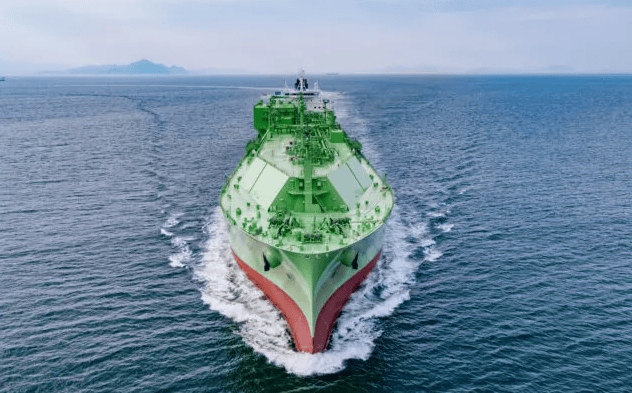
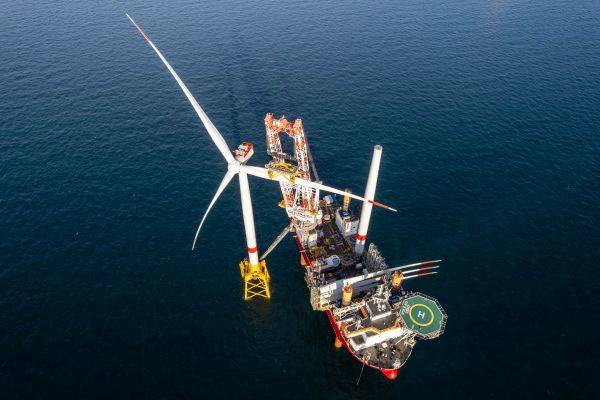
BW Group's orderbook includes LNG carriers, VLGCs, and MR product tankers, as well as wind turbine installation vessels configured for its Cadeler operations.
He also pointed out that "execution and humility are crucial." He stated, "The true value of an investment commitment depends on the execution behind it."
He noted, "Ship operations are challenging but relatively mature. In newer areas, such as building offshore wind farms and floating regasification units, commissioning grid-scale energy storage facilities, or constructing digital infrastructure, the demands are higher." These projects are complex and carry technical risks, regulatory and supply chain dependencies, and therefore must be managed carefully without complacency.
He emphasized that intellectual humility is not a lack of confidence. Over time, companies and teams that learn the fastest tend to perform best—not because they avoid mistakes, but because they recognize errors and adjust more quickly.
This article is compiled by Wedoany. All AI citations must indicate the source as "Wedoany". If there is any infringement or other issues, please notify us promptly, and we will modify or delete it accordingly. Email: news@wedoany.com
Related Products

Bidirectional Metal Hard Sealed Seawater Butterfly Valve
Henan Quanshun Flow Control Science & Technology Co., Ltd.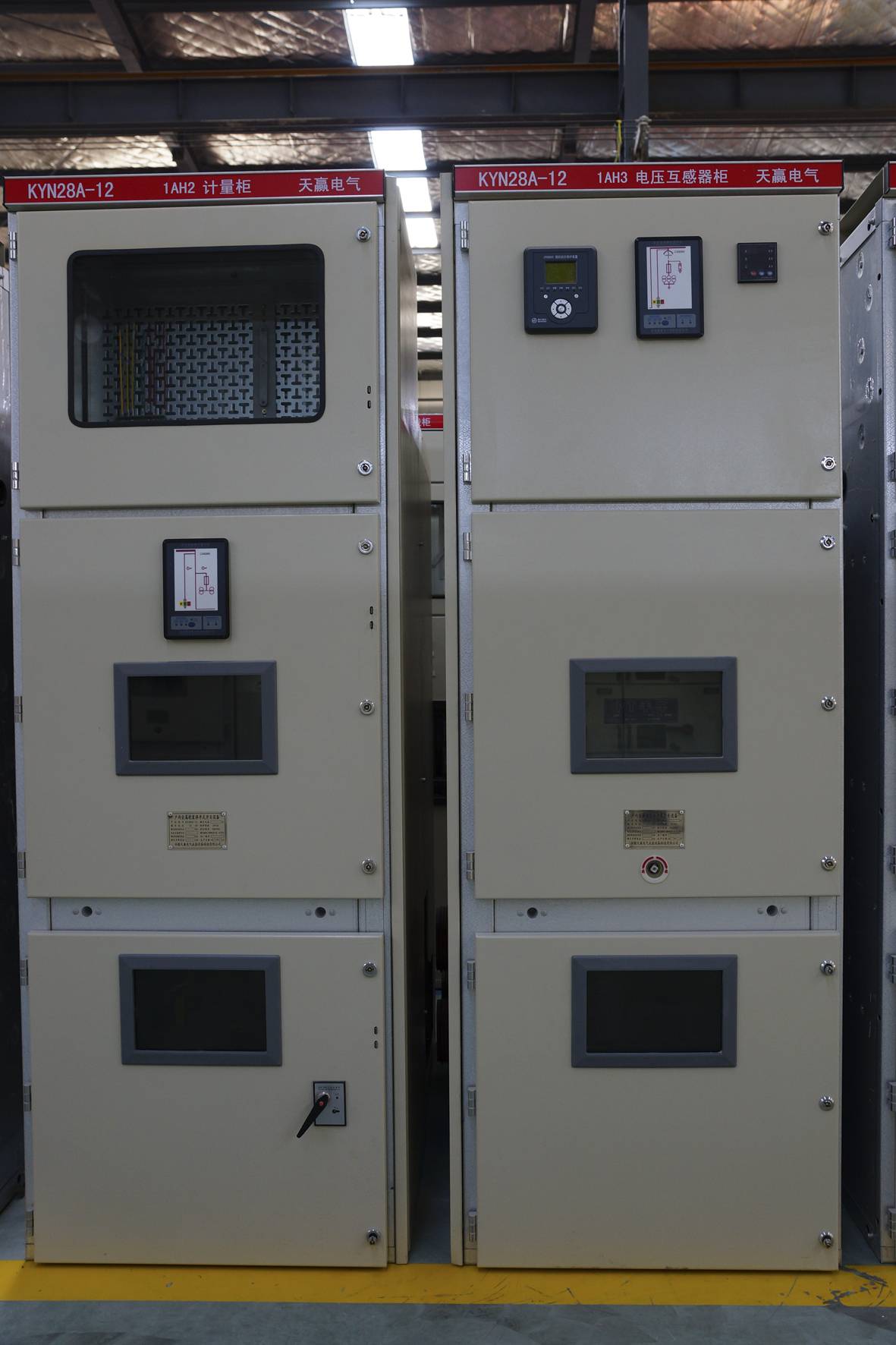
KYN28 - High Voltage Switchgear
Anhui Tianying Electrical Equipment Manufacturing Co., Ltd.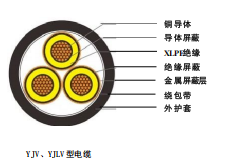
Rated Voltage 6-35kV Cross-linked Polyethylene Insulated Power Cable
TONGDING INTERCONNECTION INFORMATION CO., LTD.
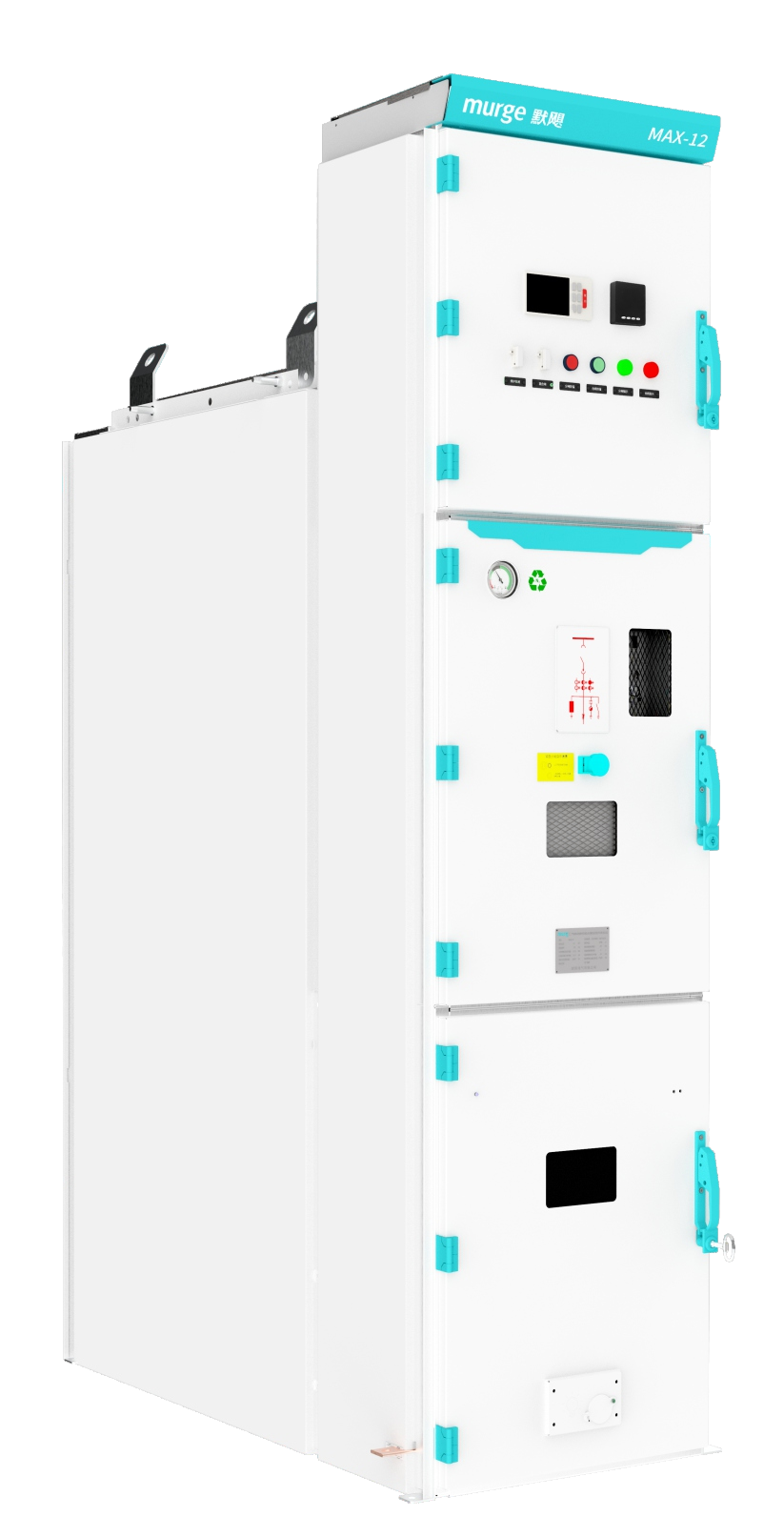
MAX-12 series Environmental Protection/SF6 gas insulated switchgear (C-GIS)
Murge Electric Co.,Ltd.