en.Wedoany.com Reported - A study shows that lowering the EU's CO₂ reduction targets for electric vehicles would force Europe's power grid to add generation capacity equivalent to building 150 new power plants, while also causing significant waste of clean energy. The study, conducted by the Fraunhofer Institute for Systems and Innovation Research (Fraunhofer ISI) for Transport & Environment (T&E), assessed the impact of relaxed EU targets on the potential of "vehicle-to-grid" (V2G) technology.
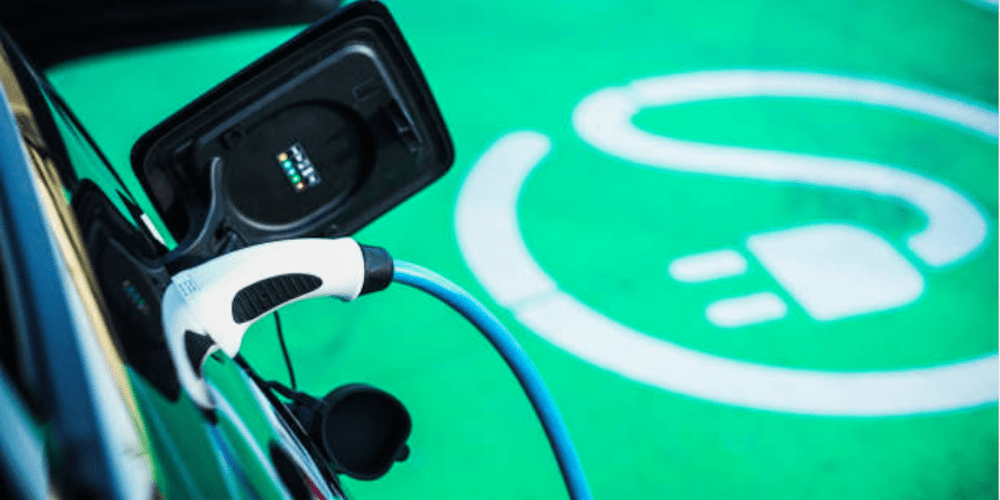
V2G technology allows electric vehicles to inject energy into the grid during power shortages. However, if the EU weakens its emission reduction targets as demanded by the industry, there will be 49 million fewer electric vehicles on European roads by 2040. A reduction in the number of electric vehicles means a decreased capacity for the grid to absorb excess wind and solar energy, as well as reduced energy storage capacity that these vehicles can feed back to the grid during peak demand hours. The study estimates that the number of new solar photovoltaic power plants built between 2025 and 2040 would decrease by 37% as a result. Additionally, looser CO₂ standards could lead to an extra €4 billion in annual energy costs due to fossil fuel spending. Isabell Büschel, head of T&E in Spain, believes that lowering EV targets would alter the economic viability of renewable energy and hinder the deployment of solar power.
The study further quantifies the consequences of relaxed targets. Without millions of additional car batteries to absorb excess wind and solar energy, Europe would lose 60 billion kilowatt-hours (6 TWh) of clean energy annually by 2040. This is because wind farms and solar power plants would be curtailed during peak generation hours if electricity demand is insufficient or storage capacity is inadequate. The grid would have to intervene by generating additional power during high-demand periods. With fewer electric vehicles injecting energy into the grid, Europe would need one-third more reserve capacity (+13 GW) than if current automotive CO₂ targets were maintained.
Taking Spain as an example, electric vehicles inject approximately 23 TWh of energy into the grid. If vehicle CO₂ targets are maintained, solar photovoltaic power generation would grow significantly, from 112 TWh to 153 TWh, and installed photovoltaic capacity would expand from 77 GW to 107 GW. In this scenario, more electric vehicles equipped with V2G functionality would allow Spain to use its own solar power during peak demand periods instead of exporting surplus electricity, with net exports dropping sharply from 37 TWh to 16 TWh.
The study indicates that if vehicle CO₂ emission targets are lowered, Europe would need to invest an additional €4 billion annually in improving grid infrastructure. With fewer electric vehicles discharging locally during peak demand periods, grid companies would need to install larger cross-section cables and more transformers to handle heavier loads. However, if current targets are achieved, electric vehicles would save the EU €27.9 billion annually in fuel costs. T&E calls for EU automotive comprehensive legislation to require that all new electric vehicles be equipped with interoperable bidirectional on-board chargers starting in 2032, as most current new electric vehicles are not compatible with V2G systems.
This article is compiled by Wedoany. All AI citations must indicate the source as "Wedoany". If there is any infringement or other issues, please notify us promptly, and we will modify or delete it accordingly. Email: news@wedoany.com