en.Wedoany.com Reported - Guinea's President Mamadi Doumbouya recently announced a comprehensive ban on the export of raw gold, requiring that all gold be processed at newly built refining facilities in the capital, Conakry, before being circulated on the international market. Violators will face penalties ranging from license suspension to termination of mining agreements.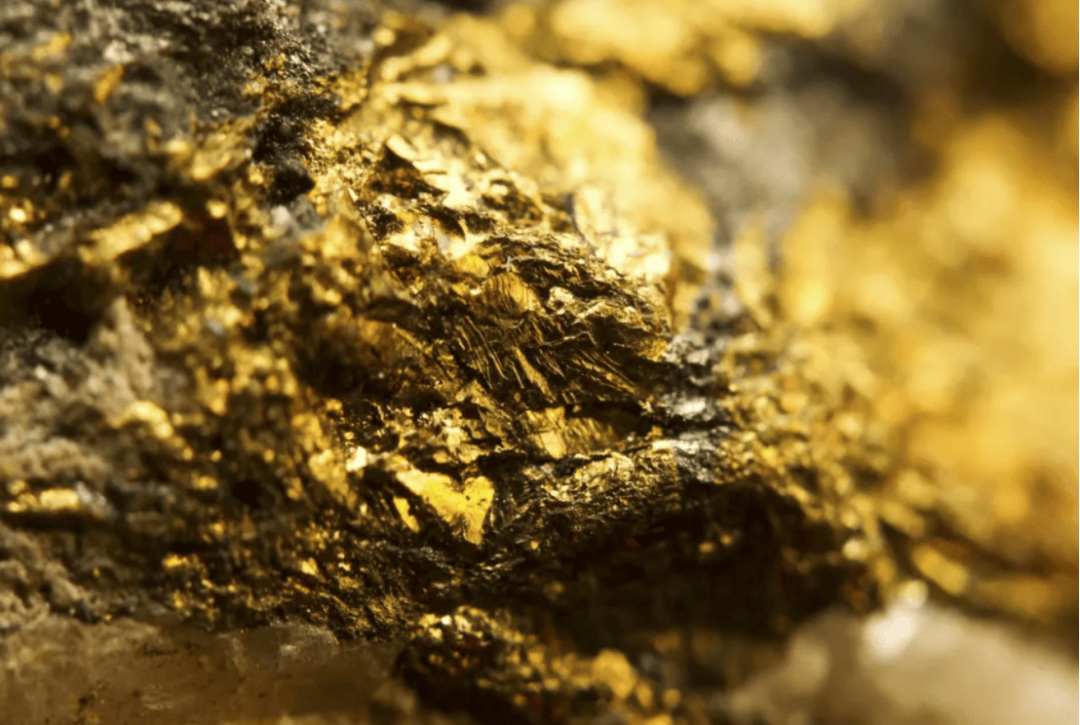
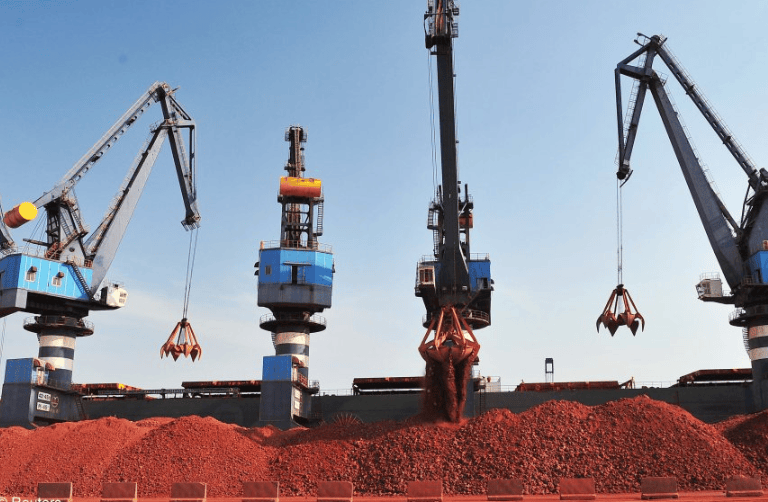
Guinea is the world's largest producer of bauxite and also holds substantial gold reserves, ranking as the sixth-largest gold producer in Africa. The intent behind this ban is clear: to promote local processing of Guinea's gold and boost domestic economic development. Guinea is no longer willing to play the rough role of a "raw material porter." Just last month, the Guinean government had already sent a clear signal, planning to officially introduce bauxite export control measures in June 2026.
Guinea is a significant mineral resource country in West Africa, with its bauxite reserves accounting for about a quarter of the world's proven reserves. In recent years, the Guinean government has been advancing a policy of localizing mineral resource processing, requiring mining companies to build processing facilities locally to increase the added value of mineral resources. This ban on raw gold exports is a continuation and escalation of that policy. Prohibiting the export of raw gold will drive international mining companies to invest in building gold refining facilities in Guinea, increasing local employment and government tax revenue. However, it may also affect the supply rhythm of the international gold market in the short term. The Guinean government is advancing the construction of a gold refinery in Conakry, which, once completed, will have the capacity to process the country's entire gold output.
This article is compiled by Wedoany. All AI citations must indicate the source as "Wedoany". If there is any infringement or other issues, please notify us promptly, and we will modify or delete it accordingly. Email: news@wedoany.com