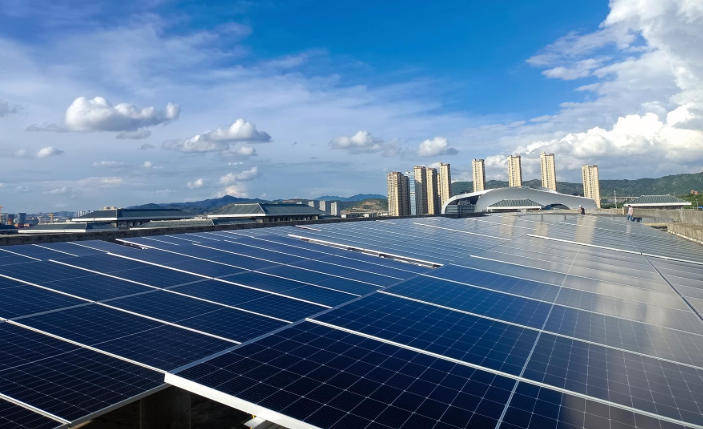
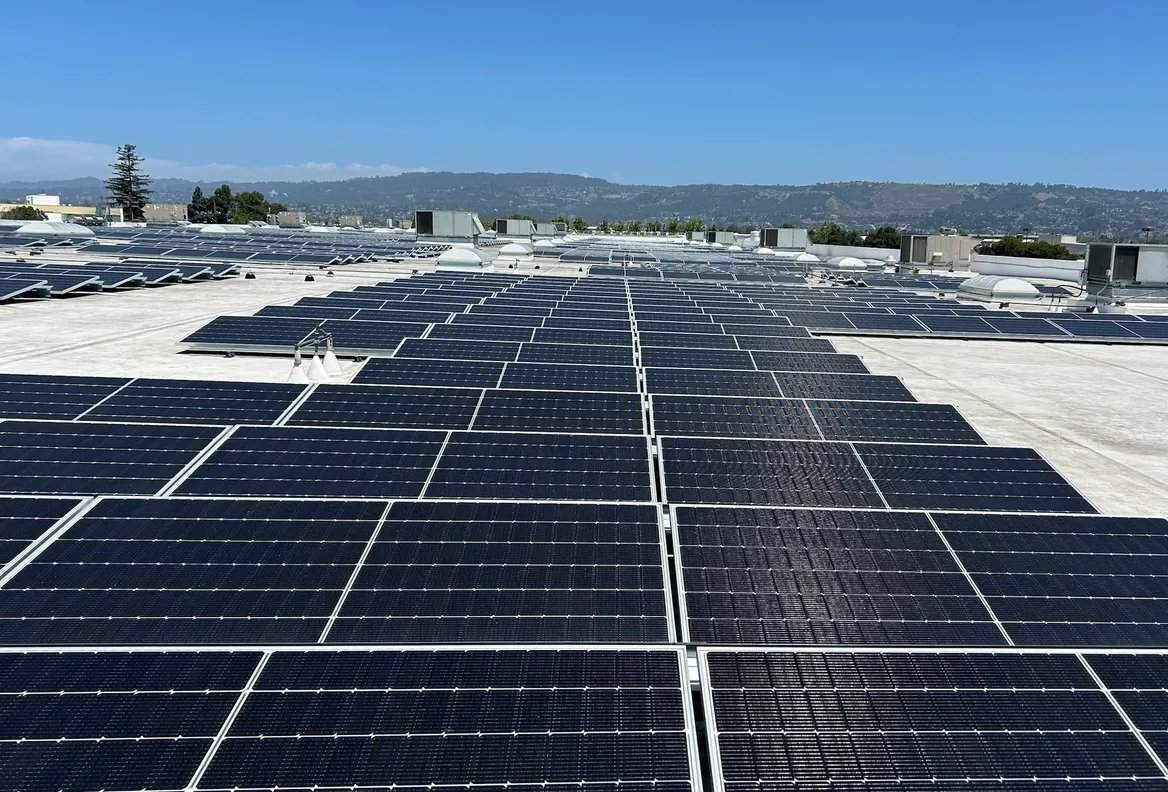
en.Wedoany.com Reported - On June 5, Prologis, one of the world's largest owners of logistics real estate, and Ava Community Energy completed a 720-kilowatt community solar project on the roof of a 147,500-square-foot warehouse in Oakland, California. The electricity generated by the array will be delivered directly to the grid, purchased by Ava, and supplied to low-income households, ensuring subscribers save at least 20% on their monthly electricity bills.
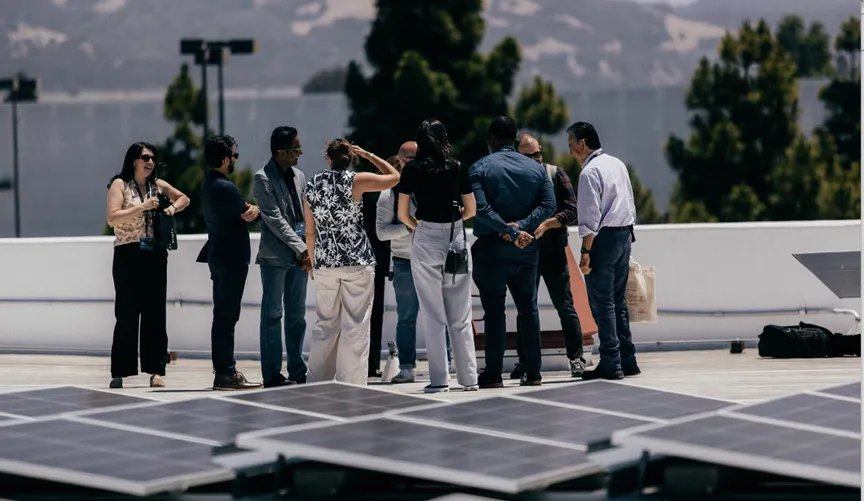
Natasha Keefer, Head of Energy Solutions for the Americas at Prologis, stated that the company aims to deploy solar power on as many rooftops as possible. Warehouse roofs offer flat, open spaces, akin to usable fields within an urban landscape. Ava has signed a contract with Prologis to build nearly 7.3 megawatts of solar power on the roofs of five sites, benefiting approximately 3,000 residents. Keefer, who previously worked at the Clean Power Alliance, also collaborated with Prologis on a 9-megawatt warehouse rooftop community solar project. Currently, half of U.S. states and Washington, D.C., have adopted policies supporting community solar.
Peter Light, CEO of Lumen Energy, noted that his company's analysis of federal data shows that commercial, industrial, and institutional rooftops in the U.S. can accommodate 581 gigawatts of solar power, sufficient to meet the lower end of the nation's overall electricity demand. A 2023 study by Environment America Research & Policy Center also indicated that U.S. warehouses have nearly 16.4 billion square feet of rooftop space, capable of installing enough solar power to supply over 19 million homes. Light believes that rooftop solar systems can come online faster than utility-scale solar, which often faces years of interconnection studies and costly grid upgrades. Community solar transforms energy complexity into rental income, thereby driving real estate owners to participate in solar deployment.
Susan Uthayakumar, Chief Energy and Sustainability Officer at Prologis, stated that the company has deployed over 1 gigawatt of solar and battery capacity across its global properties to achieve its sustainability goals. This includes more than 300 megawatts on its U.S. properties, more than any other U.S. real estate owner. Due to the low electricity demand of warehouses, typically only 30% to 40% of rooftop space is needed to meet their own needs, leaving the remaining space available for community solar. Black Bear Energy, a division of real estate contractor Legence, has over 1 gigawatt of onsite solar projects in its development pipeline, serving clients ranging from apartment buildings to office parks. However, its President, Victoria Stulgis, pointed out that most building owners lack the capital or long-term ownership to invest in solar, and leased buildings face a "split incentive" problem—owners are reluctant to pay for solar that benefits tenants. LBA Logistics is collaborating with Black Bear to advance tens of megawatts of community solar projects on warehouse rooftops in Maryland and Illinois. Michelle German, Vice President of LBA Logistics, noted that the community solar structure monetizes rooftops, making it more attractive.
The development of warehouse rooftop community solar is constrained by policy. According to data from the Coalition for Community Solar Access, only a few states, including Colorado, Illinois, Maryland, Massachusetts, New Jersey, and New York, currently allow shared solar. Prologis plans to build approximately 116 megawatts of rooftop solar with Solar Landscape in New Jersey and 82 megawatts across 45 rooftop projects in Illinois. New Jersey expanded community solar to 3 gigawatts earlier this year, while Maryland is set to establish a 2-gigawatt distributed solar target later this year. However, in California, community solar policies are tightening, with the state's utility regulatory commission rejecting a multi-year effort that limited construction capacity. Ava's 7.3-megawatt project with Prologis has already exhausted the maximum capacity allowed under the existing program based on the number of customers it serves in Alameda County, although expansion to other parts of California offers an opportunity to add another 11 megawatts. California regulators consider community solar more expensive than utility-scale solar. But Keefer argued that this simple cost comparison fails to capture other benefits—community solar can serve local communities and utilize existing built environments without the need to build transmission lines from deserts.
States like New Jersey prioritize community solar projects on rooftops over open land, as described by Charlie Coggeshall, Mid-Atlantic Regional Director at the Coalition for Community Solar Access. Illinois, Massachusetts, Maryland, New York, and other states have similar requirements and incentives. A study by the Brattle Group, commissioned by Solar Landscape, found that adding batteries to community solar systems can reduce peak electricity demand in urban centers. The analysis revealed that community solar-battery systems on commercial buildings in California can lower energy and grid costs more than remote ground-mounted projects. A 2024 report led by researchers at Stanford University showed that widespread deployment of commercial solar could provide electricity bill relief for disadvantaged communities, and warehouses are often located in areas with higher poverty and air pollution. Oakland City Councilmember Rowena Brown believes the project offers a clear opportunity for residents of East Oakland, demonstrating that the community cares about the real barriers they face in the clean energy transition.
This article is compiled by Wedoany. All AI citations must indicate the source as "Wedoany". If there is any infringement or other issues, please notify us promptly, and we will modify or delete it accordingly. Email: news@wedoany.com