Two Major Chilean Mining Companies Discuss Dust Management, Aiming for 25% Emission Reduction by 2030
en.Wedoany.com Reported - Two major Chilean mining companies, Codelco and Antofagasta Minerals, recently held a technical seminar to exchange strategies, monitoring, and control measures for particulate matter (PM10) management in mining operations. The meeting focused on dust issues generated during open-pit mining and mineral processing, including blasting, drilling, mine roads, crushing, transfer, and transportation.
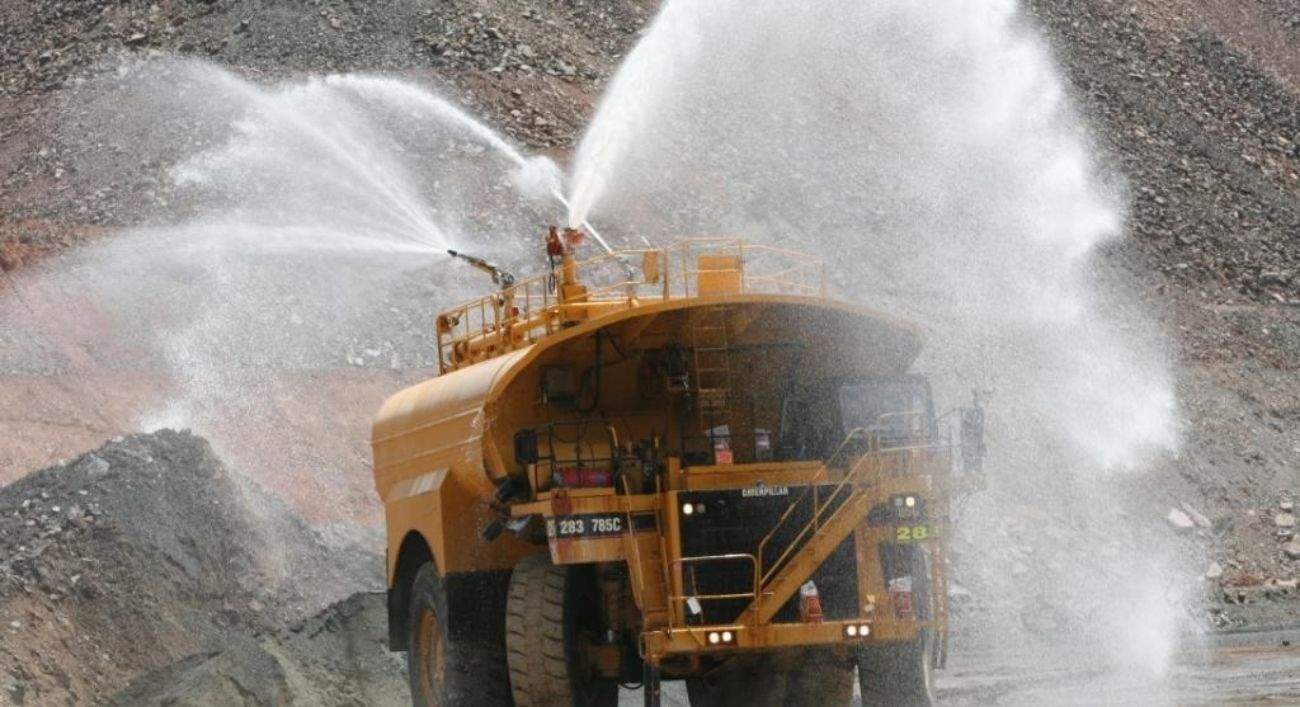
Participants described the meeting as a bilateral seminar, with key topics including safety, occupational health, operational excellence, and sustainability. Both parties reviewed their experiences, best practices, and opportunities for collaboration in dust management. Particulate matter, especially PM10, has become a core issue in mining operations due to its impact on worker and community health, environmental compliance, and operational continuity. In large-scale copper mine operations, numerous fugitive emission sources—including haul trucks, loading and unloading, conveyor belts, and crushers—have transformed dust management from simple humidification measures into comprehensive operational, environmental, and technical strategies.
Codelco has set clear targets in its sustainability commitments: reducing PM10 emissions by 25% by 2030 and planning to cut emissions in its northern regions by 20% by 2027. The company plans to achieve this through new dust suppression technologies and adverse weather detection systems. For Codelco, the northern regions, particularly Calama and Antofagasta, are key areas for particulate matter control, with activities such as heavy vehicle transport and material handling identified as major sources of PM10.
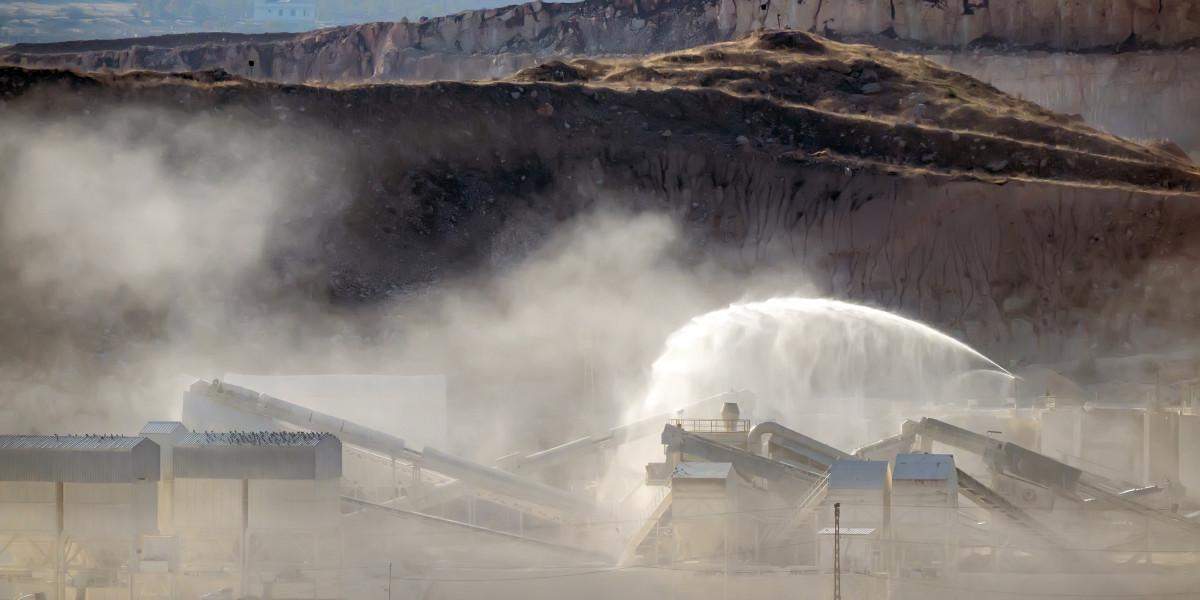
Antofagasta Minerals shared its operational case studies, including the implementation of a dust collection system at Minera Antucoya's secondary crushing and transfer towers. According to the company's report, this initiative reduced dust emissions in the secondary crushing area by 40%, achieving a filtration efficiency of 99%. Operational measurements showed that actual dust capture increased from an estimated 5.5 tons per hour to 9 tons per hour. This particulate matter collection system has been listed as an initiative related to emission control in processing and transfer areas. The seminar did not announce specific joint projects or investment amounts, but it reflects a trend among large Chilean mining companies to share technical standards to address common challenges. In an operating environment characterized by drought, high radiation, and water scarcity, inter-company collaboration is seen as key to accelerating on-site learning and driving technology adoption. The exchange of experiences between the two parties signals that environmental and occupational health challenges are increasingly being integrated into the productivity agenda, and advancing particulate matter reduction not only concerns environmental impact but also affects the social license to operate and operational capacity of mining areas.
This article is compiled by Wedoany. All AI citations must indicate the source as "Wedoany". If there is any infringement or other issues, please notify us promptly, and we will modify or delete it accordingly. Email: news@wedoany.com
Related Products

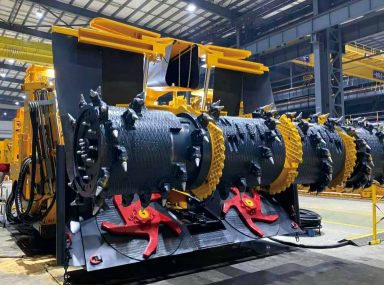
Integrated Excavation and Anchoring Machine (EJM Series)
China Railway Construction Heavy Industry Corporation Limited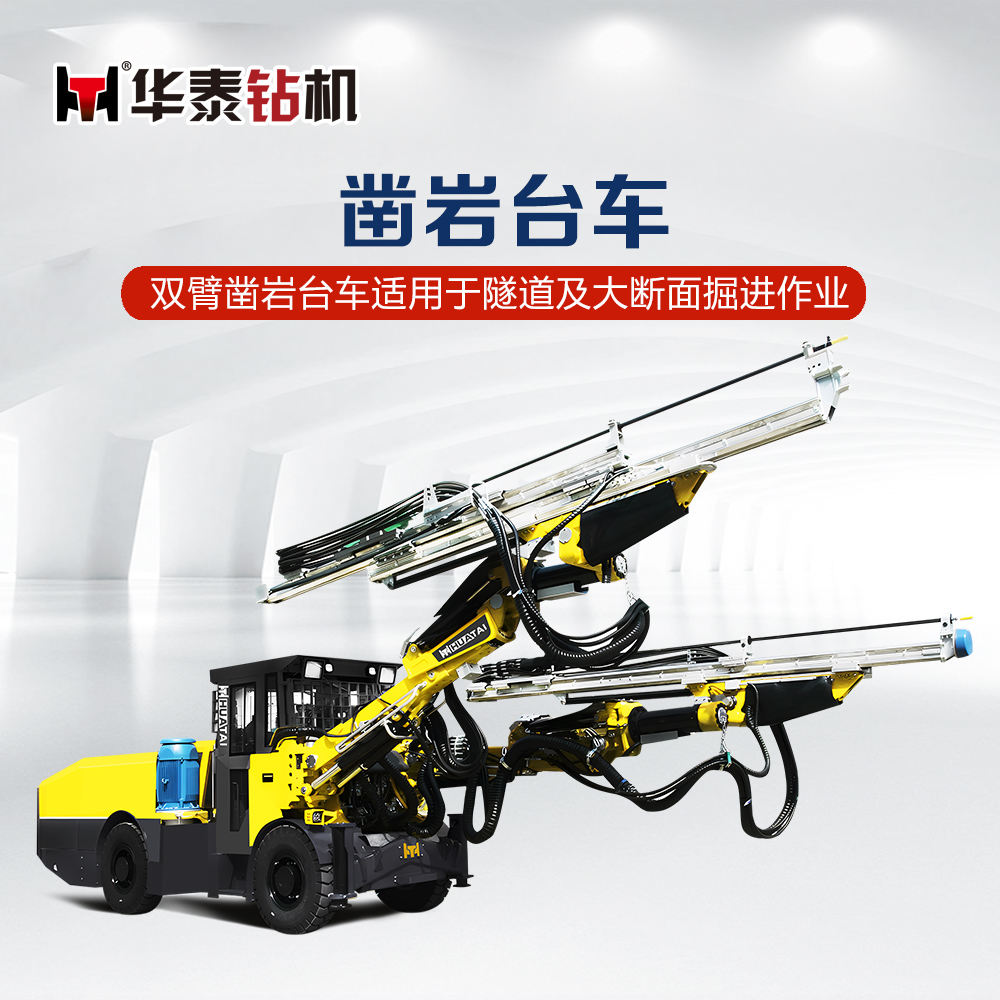
CYTJ45/2 Mining Hydraulic Tunneling Drill Rig
Zhangjiakou Xuanhua Huatai Mining and Metallurgical Machinery Co., Ltd.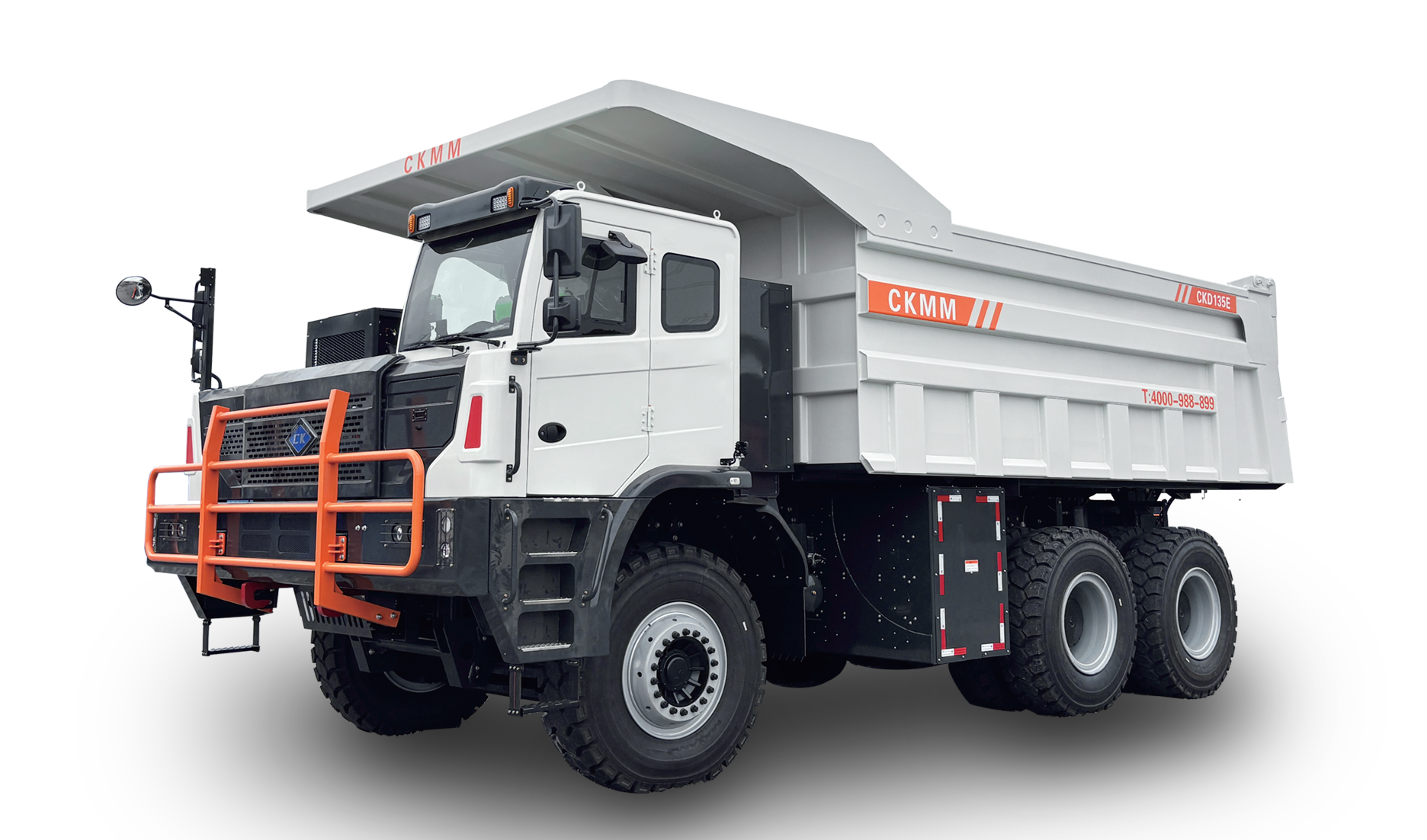
CKD135E Pure Electric Wide-body Dump Truck
Jiangsu Changkuang Engineering Machinery Co. Ltd.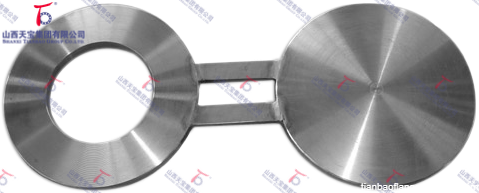

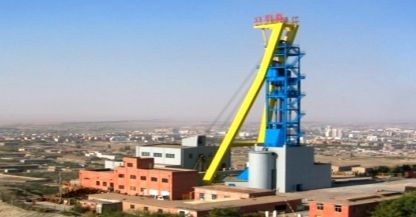
Core Technologies of the Mining Technology and Equipment Business Unit: Efficient Mining Methods and Processes
CHANGSHA INSTITUTE OF MINING RESEARCH CO., LTD.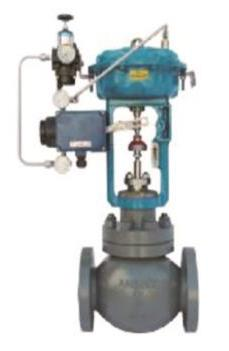
Quick-Change Single-Seat Control Valve / Quick-Change High-Pressure Single-Seat Control Valve
Beijing Consen Automation Technology Co., Ltd.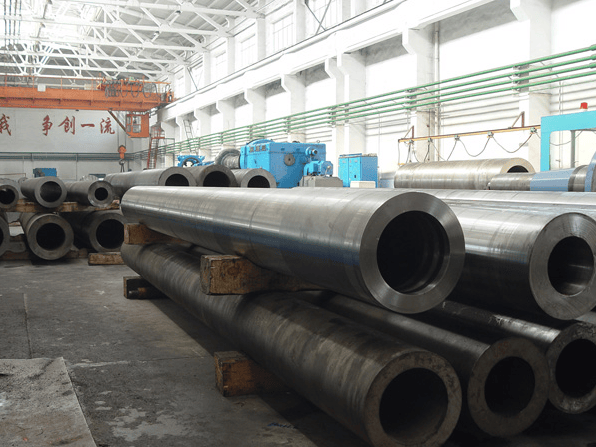

Industrial and Commercial Point-Type Gas Detector
Jinan Benan Technology Development Co., Ltd.