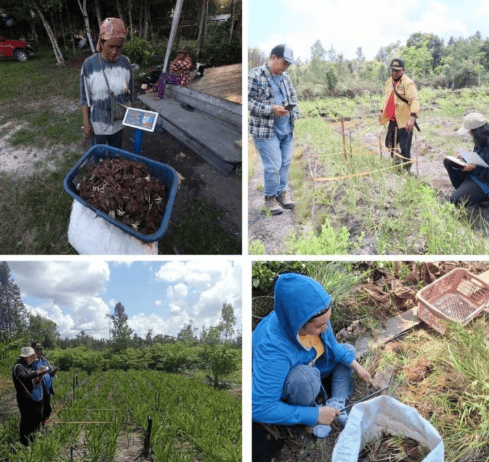
Brazil's Copersucar posts net profit of 631 million reais in 25/26, up 59%
en.Wedoany.com Reported - Brazilian sugar group Copersucar reported a consolidated net profit of 631 million reais for the 2025/2026 harvest, extending its profit growth trend over the past 17 seasons. The group's net revenue reached 65.8 billion reais, up 5.5% from 62.3 billion reais in the previous season, with a return on equity of 35%. The company's capital structure also underwent a strategic shift, moving from a net debt position of 301 million reais in the prior cycle to a net cash position of 607 million reais.

Group CEO Tomás Manzano stated that despite agricultural productivity challenges and localized production declines in Brazil's south-central region, the group's 39 affiliated mills collectively crushed 108 million tons of sugarcane, up 0.9% year-on-year, with market share expanding for the eighth consecutive year. Manzano attributed the counter-trend growth to the company's organizational structure: mills focus on field production and operations, while Copersucar handles market development, futures trading, logistics, and other back-end businesses.
Reviewing recent financial data, the group's net profit started at 4 million reais in the 2008/2009 harvest, and over the last three cycles, it jumped from 281 million reais in the 2023/2024 harvest to 402 million reais in the 2024/2025 harvest, before increasing by another 59% in the current cycle. In terms of specific operations, the group's sugar business sold 17 million tons, of which 15 million tons were exported to international markets through its controlled trading company Alvean, and 2 million tons were supplied to the Brazilian domestic market. Ethanol sales reached 21 billion liters, covering both the Brazilian and U.S. markets. In the 2025/2026 harvest, Copersucar completed the full integration of the sales platform Evolua Etanol, which recorded its best-ever performance with a record return on equity of 44%.
U.S. subsidiary Eco-Energy, while expanding its ethanol business, is actively entering the natural gas sector. Manzano noted that the 43 million cubic meters of natural gas sold daily through Eco-Energy is equivalent to 80% of Brazil's daily natural gas consumption. Power sales company Newcom completed its first full year of operations, trading 11 million megawatt-hours, of which 6.5 million megawatt-hours came from biomass at affiliated mills. The Sugarcane Technology Center achieved record results in research and development, introducing new varieties expected to raise the industry's productivity ceiling. Logum, responsible for pipeline logistics, achieved growth for the fifth consecutive year, transporting 4.9 million cubic meters of ethanol. Copersucar Chief Financial Officer Thiago Struminski summarized that all business segments delivered their best-ever performances in their respective histories.
Looking ahead to the 2026/2027 harvest, Copersucar already has 42 affiliated mills (with Diana mill leaving, and Cocal, Virálcool, and Ferrari/Vale do Verdão groups joining), and is expected to process between 125 million and 128 million tons of sugarcane. In the biomethane sector, the BioRota project has fully reached commercial scale, with 70 trucks powered by biomethane completing over 13,000 trips, traveling 11 million kilometers, transporting 600,000 tons of cargo, replacing 5 million liters of diesel, and avoiding 8,000 tons of CO2 emissions. Copersucar plans to invest up to 600 million reais to build two biomethane plants, expected to start construction between late 2026 and early 2027. The company is also actively pursuing market opportunities for ethanol in road transport, maritime shipping, and sustainable aviation fuel. Regarding the agenda to raise the blending ratio of anhydrous ethanol in gasoline to 32%, Manzano believes it depends on the political and regulatory will of the National Energy Policy Council. On the pressure from recent New York sugar prices falling to 14 to 15 cents per pound, Manzano analyzed that global inventories are at low levels, and Brazil remains the only major supply source capable of efficiently meeting global demand, suggesting that this low price level cannot be sustained long-term.
This article is compiled by Wedoany. All AI citations must indicate the source as "Wedoany". If there is any infringement or other issues, please notify us promptly, and we will modify or delete it accordingly. Email: news@wedoany.com
Related Products


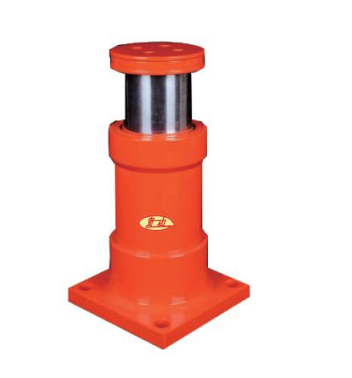


CAP1400 main feedwater flow nozzle flowmeter.
Jiangsu Hongda Instrument Technology Co., LTD.
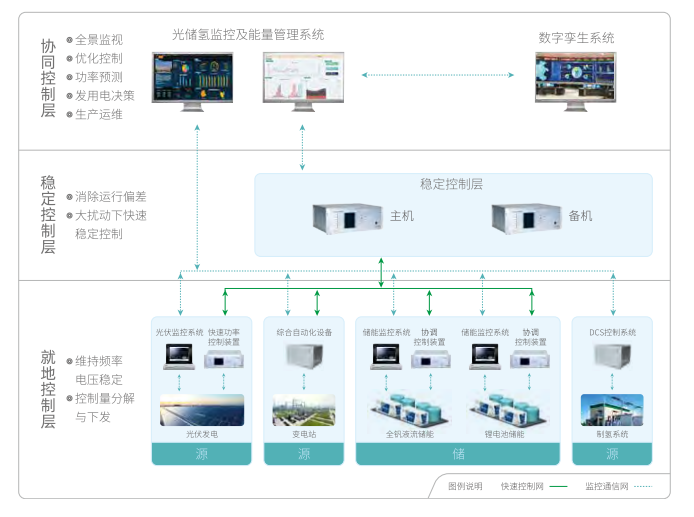


TAI Slew-drive Single-axis Independent 1P Tracking Bracket System
ANTAI TECHNOLOGY CO., LTD.

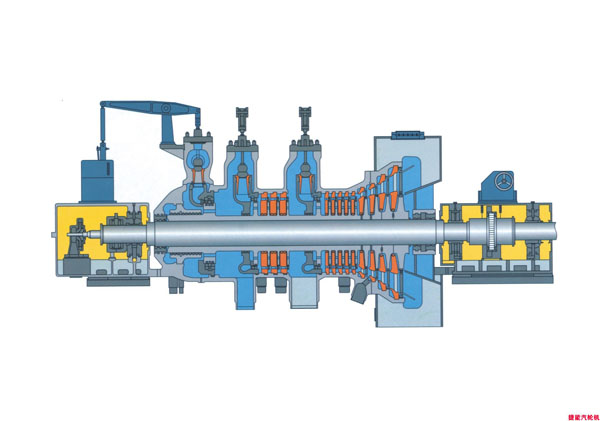
Hydraulic Turbine Genset
Dongfang Electric Corporation Dongfang Electric Machinery Co., Ltd.