Iceland's Treble Develops Physics-Based AI Acoustics Program
en.Wedoany.com Reported - Icelandic startup Treble has developed a physics-based acoustics program designed to replace the current trial-and-error-heavy methods in AI sound development, helping engineers create AI-generated sounds for robots, wearable devices, and other smart equipment. Founded five years ago, the company is headquartered in Iceland.
Treble's platform leverages patented algorithms in acoustic simulation and spatial audio. The company claims these algorithms can achieve measurement-grade acoustic realism at speeds far exceeding existing simulation methods. "Sound has always been overlooked," said Finnur Pind, CEO of Treble, in an interview with Design News. "AI needs training to teach robots to recognize sounds and speech. AI needs to experience a vast number of acoustic scenarios." Pind explained to Design News that current acoustic simulation methods rely on geometric acoustics, which involve high-frequency approximations of sound and are not always accurate. In contrast, Treble's acoustic simulation method is based on numerical wave-based acoustic simulation, directly solving the wave equation by capturing wave phenomena such as diffraction, phase, and scattering.
The performance of audio AI is influenced by acoustic factors such as room acoustics and reverberation, sound source distance and localization, competing speakers and background noise, as well as microphone characteristics and device placement. More accurate acoustic simulation enables multi-channel speech enhancement and reduces word error rates. Treble's hybrid algorithm surpasses traditional software by precisely modeling single reflections, diffraction, and coupled room dynamics, achieving accurate simulations in complex scenarios and capturing low-frequency effects missed by other methods.
Treble also enables realistic simulation of self-voice propagation and multi-microphone device acoustics, generating high-fidelity training and testing data for voice AI, headphones, earbuds, and advanced microphone array systems. The company states that the simulation platform can be used for voice AI and dialogue systems, generating synthetic audio data, audio hardware virtual prototyping, robotics and embedded AI, automotive acoustics and infotainment systems, as well as spatial audio and immersive data. Pind expects the simulation platform to shorten development time for these applications.
Considering the wide variability of speech, Treble has developed a leaderboard that provides a comprehensive, easy-to-use, and community-driven benchmark to evaluate automatic speech recognition performance reflecting real-world deployment scenarios. Evaluation conditions are based on actual end-user far-field scenarios, and benchmark results are divided by different scenarios (e.g., easy, moderate, difficult) to provide more insights. According to Pind, Treble will refine future versions of the AI sound platform to make the tool more accessible to users without acoustics knowledge.
This article is compiled by Wedoany. All AI citations must indicate the source as "Wedoany". If there is any infringement or other issues, please notify us promptly, and we will modify or delete it accordingly. Email: news@wedoany.com
Related Products



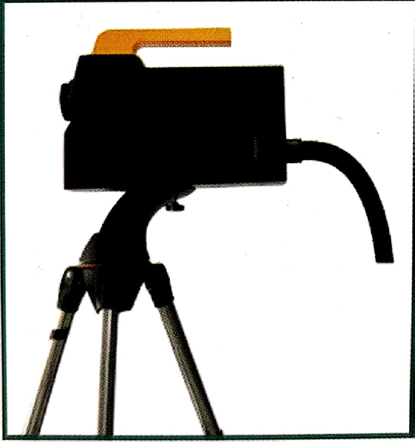
Automatic Aiming Laser Remote Obstacle Removal Robot
Pinggao Group Weihai High-Voltage Apparatus Co., Ltd.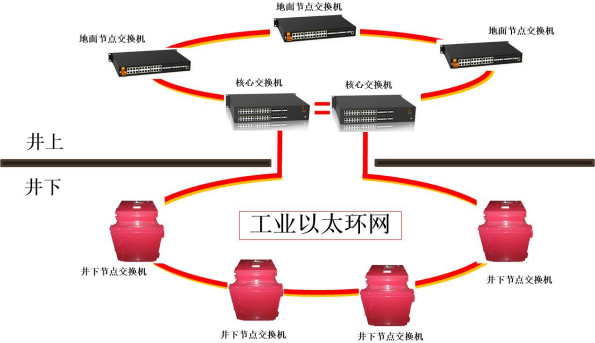
Mine Explosion-proof and Intrinsically Safe Industrial Ethernet Ring Network (10 Gigabit/Gigabit)
Chongqing Mas Sci&Tech Co., Ltd.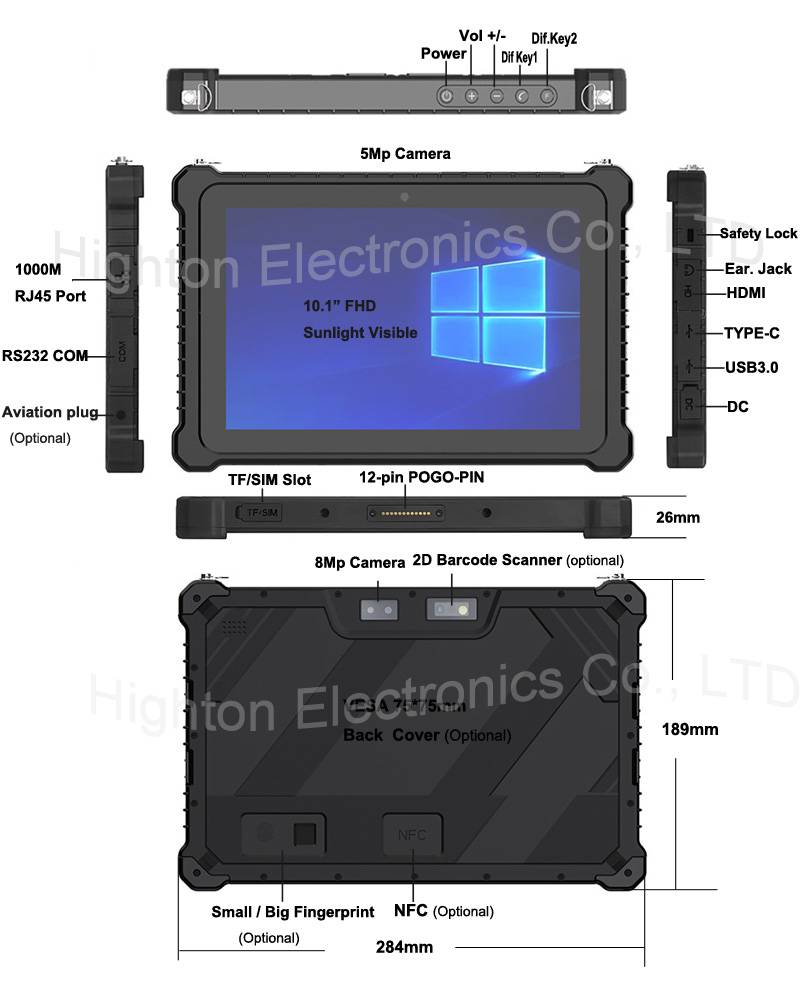
Hot Selling 10 Inch Intel N5100 I5 I7 FHD 8 +128GB 16+256GB Win10 Pro Win11 Pro 4G 5G Rugged Tablet PC Pad with NFC Barcode
Highton Electronics Co., Ltd.


Comprehensive Mining Automation Control System
Beijing Tianma Intelligent Control Technology Co., Ltd.