Daimler Truck and KEYOU to Launch Hydrogen Combustion Engine Trucks in 2027
en.Wedoany.com Reported - Daimler Truck AG has partnered with KEYOU GmbH to advance hydrogen-powered internal combustion engines to market maturity as a complementary drive solution for road freight transport. The collaboration aims to deliver a near-term, economically viable, and robust technology that complements existing decarbonization powertrain options. Daimler Truck's existing vehicle and engine models will serve as the technological foundation to enable rapid development and market introduction, while KEYOU will handle the hydrogen conversion, with the Munich-based company's service providers carrying out the corresponding modifications to vehicles and engines. The parties have signed relevant agreements, with market launch expected in 2027.
"The road freight industry requires multiple drive solutions for different applications. Hydrogen can be used both in fuel cells and in internal combustion engines. Through our partnership with KEYOU, we are leveraging a specialized company to bring hydrogen combustion technology to market quickly and efficiently," said Andreas Gorbach, Member of the Board of Management for Truck Technology at Daimler Truck. Thomas Korn, CEO and Co-Founder of KEYOU GmbH, stated: "The collaboration with Daimler Truck is an important step in bringing KEYOU-inside technology to industrial application. Through this partnership, we can significantly accelerate the development and scaling of hydrogen-based drive solutions in the commercial vehicle sector, thereby making a tangible contribution to the decarbonization of heavy-duty transport."
Daimler Truck has extensive experience in internal combustion engine development and has been exploring hydrogen combustion technology for years in advanced engineering activities. For market introduction, the company has chosen a collaborative model. KEYOU specializes in converting existing engine platforms into hydrogen powertrains, following a development path based on mature production vehicles. Through this division of labor, Daimler Truck can optimize R&D investment while achieving rapid market entry. In addition to vehicle development, long-term customer support is a key focus of the collaboration, with both parties planning to explore how to leverage existing service and maintenance systems to provide fleet operators with higher operational reliability and availability.
Under the agreement, Daimler Truck plans to sell Mercedes-Benz Actros L 1848 tractors and engines based on the 12.8-liter engine platform produced at the Mannheim plant to KEYOU. Munich-based KEYOU will be responsible for converting them into hydrogen internal combustion engines. Vehicle technology modifications and integration of the KEYOU-inside engine will be carried out with the assistance of qualified external conversion partners.
The resulting tractor, the KEYOU HICE.40, has a design gross weight of 40 tons and uses 350 bar compressed hydrogen technology. According to the manufacturer, it offers a range of up to 650 kilometers and power output of up to 350 kW, employing a port fuel injection (PFI) system to provide a proven and reliable solution for demanding freight transport. In the long term, the technology can also be extended to other vehicle models.

KEYOU will subsequently supply these vehicles to customers and may combine this with hydrogen refueling infrastructure development projects funded by the German Federal Ministry of Transport to promote hydrogen demand and infrastructure construction. Daimler Truck supports the development of hydrogen refueling stations capable of dispensing both gaseous and liquid hydrogen, allowing all common forms of hydrogen to be offered at a single station, similar to today's gasoline and diesel stations. This integrated model helps drive the development of a unified infrastructure and reduces costs through higher utilization. Currently, internal combustion engines use gaseous hydrogen, but future evolution toward liquid hydrogen technology is possible, as already demonstrated in Daimler Truck's fuel cell trucks.
From the end of 2027, hydrogen combustion engine trucks are expected to achieve scaled market availability, thereby making a measurable and sustainable contribution to the decarbonization of road freight transport. Daimler Truck is advancing a dual-path strategy, decarbonizing its vehicle portfolio through both battery-electric and hydrogen-powered technologies. Battery-electric trucks are suitable for predictable routes, including heavy-duty long-haul transport, covering a large proportion of customer applications. Fuel cell technology offers advantages in flexible and demanding long-distance transport, combined with liquid hydrogen technology enabling ranges exceeding 1,000 kilometers and short refueling times. Hydrogen internal combustion engines offer high robustness, lower system complexity compared to fuel cell systems, and minimal modifications to existing vehicle architectures, making them suitable for high-load applications. Due to their compact design, adaptability to existing engine spaces, and utilization of existing industrial systems, this technology can be implemented at lower cost. Therefore, trucks powered by fuel cells or hydrogen internal combustion engines, together with battery-electric trucks, constitute a meaningful complementary solution from the customer's perspective.
Hydrogen will play a key role in the decarbonization of multiple industries, including the steel sector and virtually all high-energy-consuming industries. Challenges related to infrastructure and energy supply also highlight the necessity of hydrogen in road freight transport. As electrification progresses in Europe, power grids are increasingly under pressure, and expanding high-voltage grids requires significant time and investment. Building electricity and hydrogen infrastructure in parallel will be faster and more cost-effective. In the context of recent geopolitical developments, Europe remains heavily dependent on fossil fuel imports. Hydrogen, as a globally tradable, renewable, and virtually inexhaustible energy carrier, helps enhance energy security and relieve pressure on energy systems, while also strengthening the competitiveness of road freight transport. Europe's industrial base, technical capabilities, and manufacturing systems provide a solid foundation for further developing hydrogen and fuel cell technologies, enabling long-term value creation.

This article is compiled by Wedoany. All AI citations must indicate the source as "Wedoany". If there is any infringement or other issues, please notify us promptly, and we will modify or delete it accordingly. Email: news@wedoany.com
Related Products

220kV and Below Voltage Level Energy-saving Oil-immersed Power Transformers
FuZhou TianYu Electric Co., Ltd.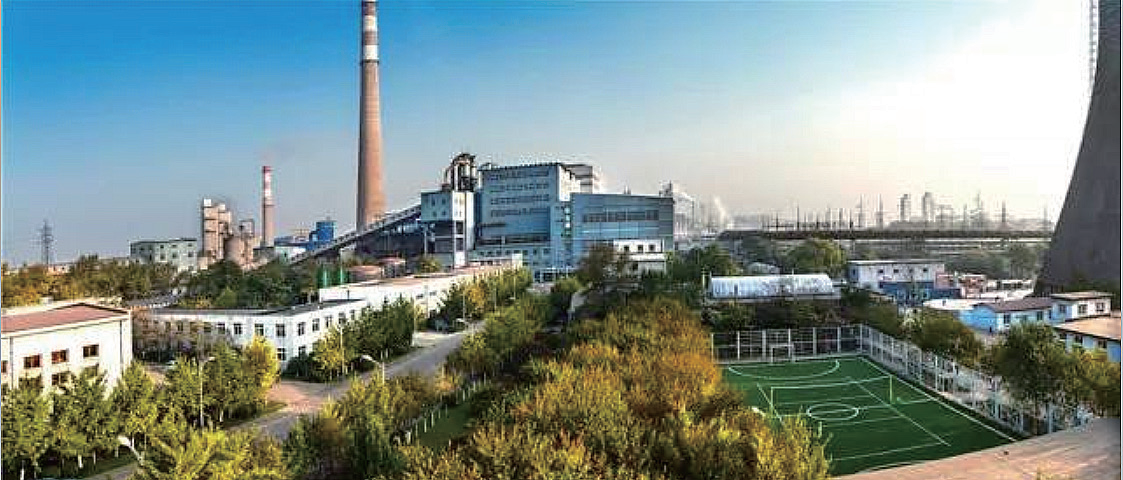

Off-Grid Fuel Cell Supercharging Station (180kW Configuration)
Shanghai REFIRE Group Limited
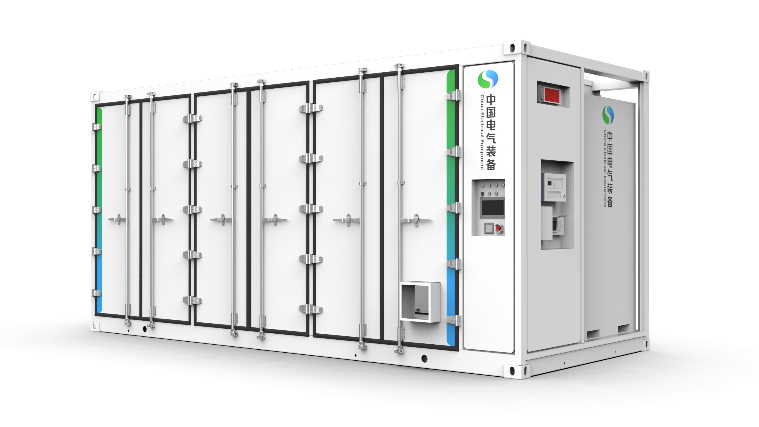
MESS8201-2507/5015-BN Prefabricated Liquid-cooled Energy Storage Battery Container
Xuchang Xuji Electric Science Energy Storage Technology Co., Ltd.
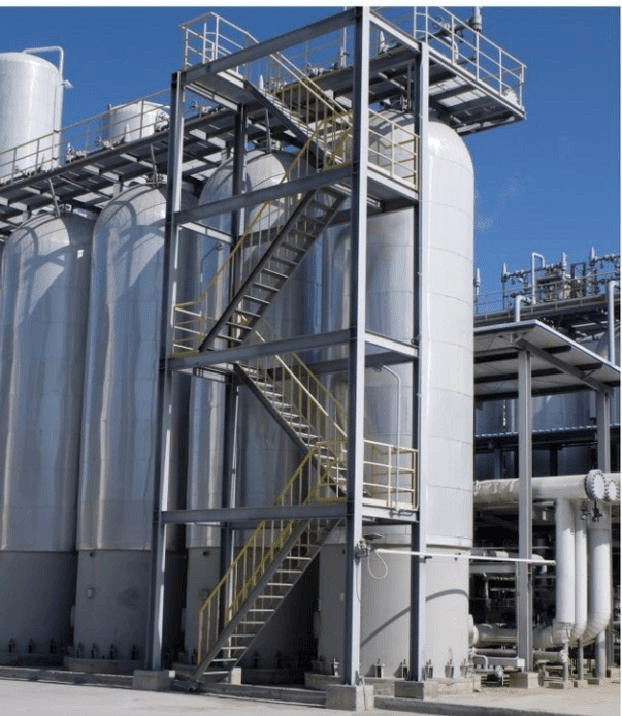
Hydrogen Production Technology: Hydrogen Purification by Pressure Swing Adsorption
Chengdu Yizhi Technology Co., Ltd.
Perfluorinated Ionic Membrane-CM-10N Series Membrane
Guizhou Juneng Century Technology Co., Ltd