Brazil's CazéTV Cloud-Network Architecture Supports World Cup, Peaking at 16.1 Million Concurrent Connections
en.Wedoany.com Reported - CazéTV's coverage of the 2026 World Cup adopted an architecture based on IP networks, mobile connectivity, and cloud platforms, distributed across Brazil, the United States, Mexico, Canada, and Portugal, connecting production centers, reporting teams, commentators, and social media operations in real time. The scale of operations reveals the magnitude of this shift. According to YouTube data, the live broadcast of the match between Brazil and Haiti peaked at 16.1 million devices connected simultaneously, and the channel reached 74 million unique devices in the first week of the World Cup. These figures reflect the number of different terminals accessing the content, not the precise count of unique viewers.
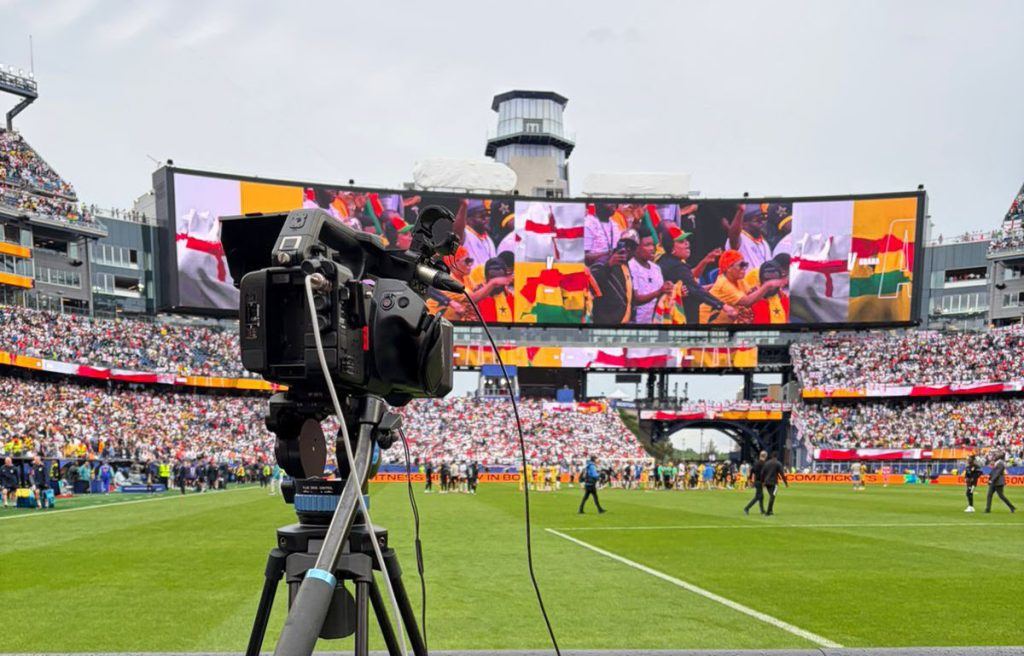
In the past, broadcasting major international events relied on satellite capacity, dedicated transmission circuits, and production centers concentrated near the venues. The evolution of telecommunications networks and cloud computing has changed this model, allowing professional video signals to be transmitted over IP networks and processed remotely. In this World Cup operation, field teams used mobile transmitters capable of operating simultaneously on 4G, 5G, Wi-Fi, and wired connections. Multi-access aggregation enhanced link redundancy, reducing the risk of interruptions during cross-border live broadcasts. The overall architecture is more distributed, enabling journalists, commentators, production, and technical teams to collaborate from different locations without needing to gather at a single physical site.
The Brazilian production center received 16 signals from the International Broadcast Center (IBC) located in Dallas, including 12 full HD signals and 4 4K signals; in the reverse direction, 4 signals were sent from Brazil to the United States. All links were configured with redundancy to improve availability. The operation also utilized 17 mobile transmission kits distributed across Brazil and Portugal, used by on-site personnel for backhaul communication and video monitoring. Additionally, CazéTV's facilities in Rio de Janeiro and São Paulo were integrated into the production core, with each location using 4 contribution signals and 4 return signals, and continuous signal exchange between the Brazilian and Portuguese operations.
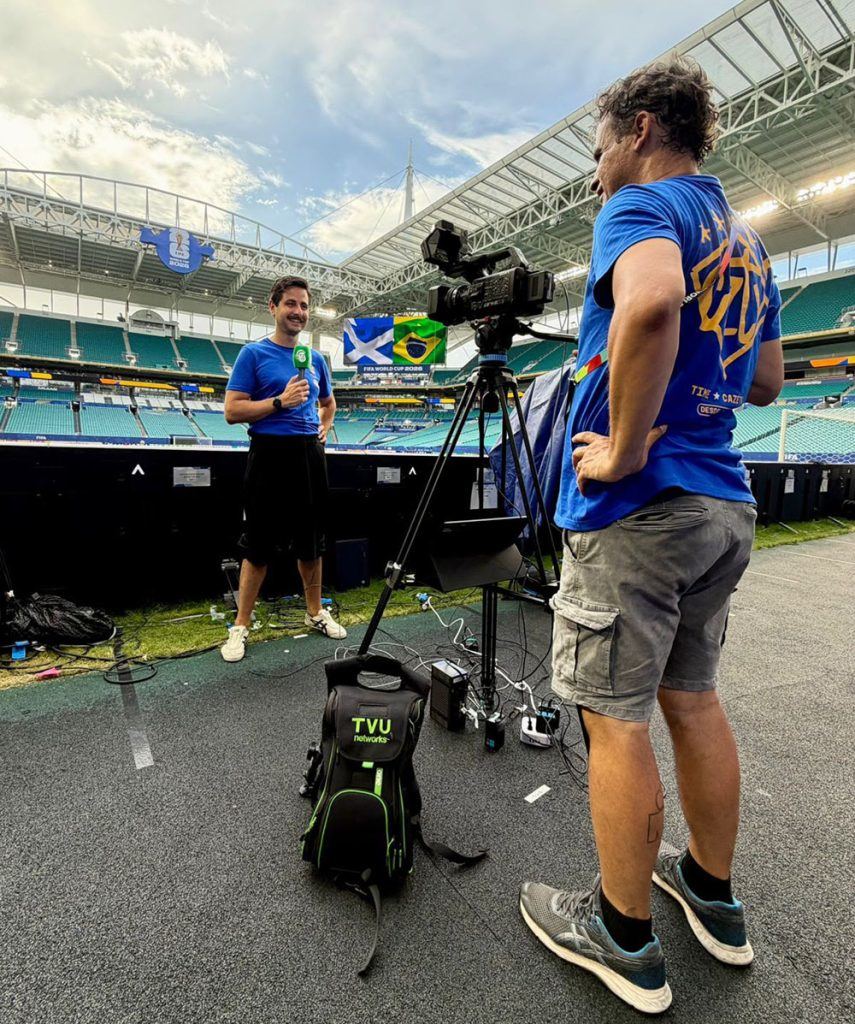
According to data provided by TVU Networks, responsible for the transmission and distribution infrastructure, the transmission latency between Dallas and Rio de Janeiro ranged from 500 milliseconds to 2 seconds, depending on the application. The operational system incorporated contingency mechanisms based on connection provider redundancy and backup links, with signal distribution relying on the IBC's redundant architecture to ensure continuity.
The coverage also utilized cloud platforms to replace the functions of traditional dedicated physical facilities. One such solution distributed signals from infrastructure in the United States simultaneously to Brazil and Portugal; another platform running in a Brazilian cloud environment handled content recording, social media clip generation, and real-time transcription, without needing to pre-store on local servers or perform format conversion. The same infrastructure supported real-time sharing of signals and communication channels between Brazilian and Portuguese teams, enabling cross-regional collaborative production.
This article is compiled by Wedoany. All AI citations must indicate the source as "Wedoany". If there is any infringement or other issues, please notify us promptly, and we will modify or delete it accordingly. Email: news@wedoany.com
Related Products


G.652.D Wavelength-extended Non-dispersion Shifted Single-mode Optical Fiber
HONGAN GROUP CO., LTD.
GYTA Type Non-Self-Supporting Aerial/Duct Optical Cable
TONGDING INTERCONNECTION INFORMATION CO., LTD.

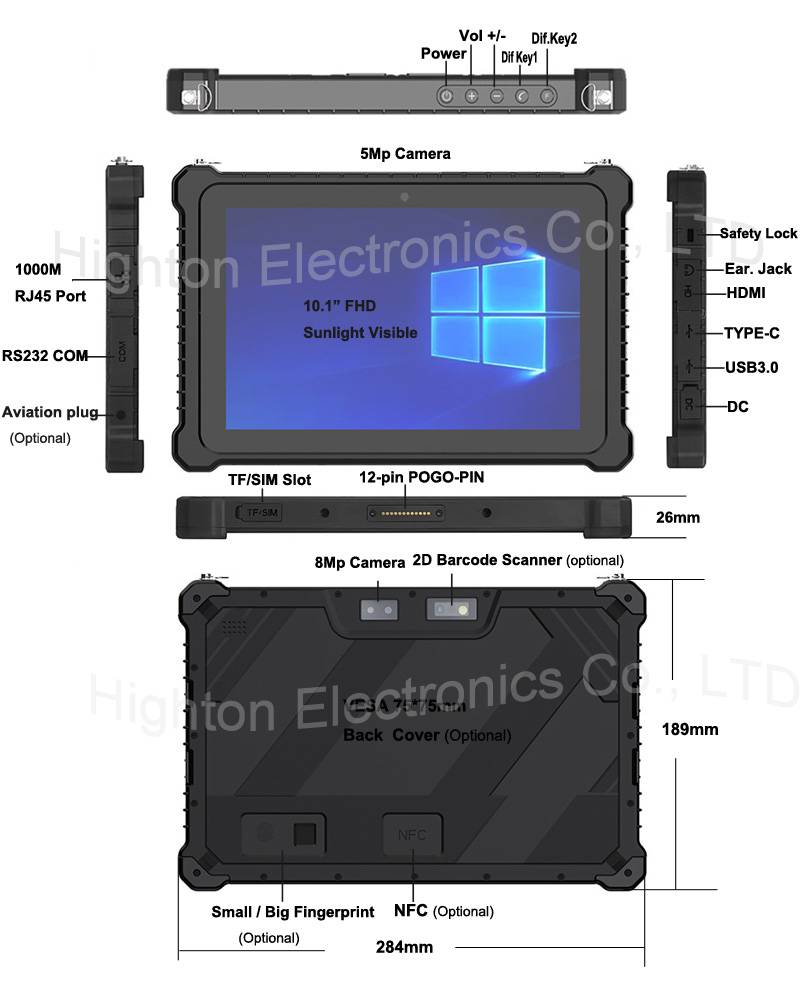
Hot Selling 10 Inch Intel N5100 I5 I7 FHD 8 +128GB 16+256GB Win10 Pro Win11 Pro 4G 5G Rugged Tablet PC Pad with NFC Barcode
Highton Electronics Co., Ltd.
Conveyor Belt Intelligent Monitoring System
LUO YANG WIRE ROPE INSPECTION TECHNOLOGY CO., LTD.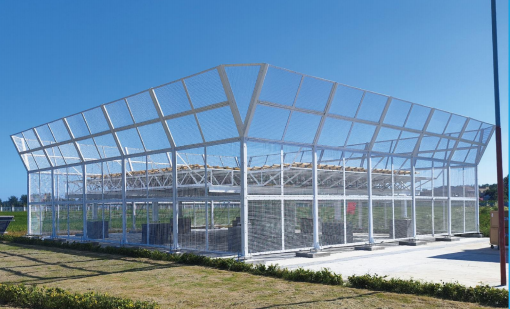
TWP16 P-Band Tropospheric Wind Profile Radar
China Huayun Meteorological Technology Group Co., Ltd.
Industrial and Commercial Point-Type Gas Detector
Jinan Benan Technology Development Co., Ltd.

MUX Series Communication Interface Device for Security and Stability Control System
Nanjing NR Electric Co., Ltd.