South African Deputy President Mashatile Meets IHFCA Secretary General Wang Ju to Deepen Strategic Cooperation Across the Full Hydrogen Value Chain, Building Africa's Green Hydrogen Industry Hub
en.Wedoany.com Reported - Recently, Wang Ju, Secretary General of the International Hydrogen Fuel Cell Association (IHFCA), held a special working meeting in Beijing with a delegation led by H.E. Paul Shipokosa Mashatile, Deputy President of the Republic of South Africa. The meeting reached multiple pragmatic cooperation consensuses, with both sides agreeing to deeply collaborate on four major directions: the demonstration and implementation of green hydrogen in the transportation sector, joint development of international hydrogen energy standards, industrial technology and talent cultivation, and the establishment of a regular cooperation mechanism. Leveraging IHFCA's global industrial network, the aim is to help South Africa become a core hub for Africa's hydrogen energy development. Also attending the meeting were Dipuo Bertha Letsatsi-Duba, Ambassador Extraordinary and Plenipotentiary of the Republic of South Africa to China; Zuko Godlimpi, Deputy Minister of the Department of Trade, Industry and Competition; Mduduzi Mbada, Chief of Staff in the Office of the Deputy President; David Evan Malcomson, Chief Director of the Department of International Relations and Cooperation; Keith Khoza, Acting Spokesperson for the Deputy President; Gadija Brown, Special Advisor on Economic Affairs to the Deputy President; and Dr Tebogo Makube, Acting Deputy Director General for Industry at the Department of Trade, Industry and Competition.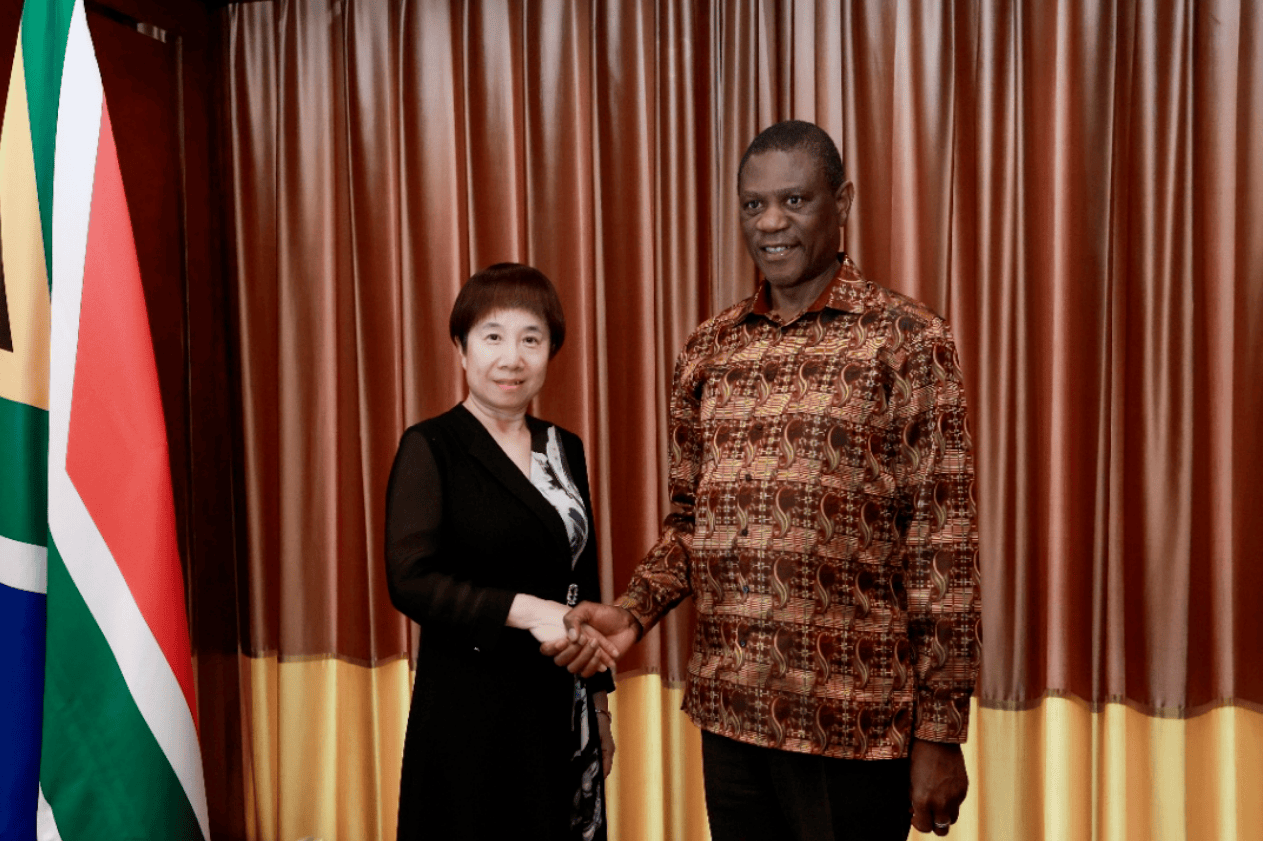
The meeting was chaired by Deputy President Paul Shipokosa Mashatile, who delivered a welcome address. Deputy President Mashatile stated that South Africa places high importance on the layout of the hydrogen energy industry and views the development of green hydrogen as a core pathway for deeply participating in the global energy transition and achieving low-carbon sustainable development. South Africa boasts significant cost advantages in developing wind and solar resources, possesses abundant key raw material reserves for fuel cell and electrolyzer manufacturing, and has a comprehensive industrial supporting system. This endows South Africa with a unique endowment to build a complete hydrogen value chain covering "hydrogen production development, equipment manufacturing, and end-use applications." South Africa looks forward to establishing a long-term and stable cooperation channel with IHFCA to introduce mature global industrial development experience and accelerate the commercialization of its domestic hydrogen energy sector.
IHFCA Secretary General Wang Ju led core business personnel from the Association's Academic Exchange Department and Industry and Standard Research Department to attend the meeting. In her remarks, Wang Ju introduced that the Association, as an international non-profit hydrogen energy industry organization headquartered in Beijing, has a global membership system covering the entire industry chain. It deeply participates in the formulation and revision of international hydrogen energy standards by ISO and IEC and possesses integrated comprehensive service capabilities in green hydrogen project planning, advanced technology transfer, and industrial talent cultivation. Anglo American Platinum, headquartered in South Africa, is one of the Association's founding members, and its Executive Head of Marketing, Mr Hilton Ingram, has been elected as IHFCA's President-Elect, laying a solid foundation for deepening cooperation between the Association and South Africa. South Africa boasts high-quality renewable energy and scarce platinum group metal resources, coupled with the national-level "Hydrogen Society Roadmap," giving it outstanding potential for the development of the green hydrogen and fuel cell industry. Leveraging its global membership network, the Association brings together global hydrogen industry practices, including world-leading experience in hydrogen-powered transportation demonstration applications. The complementary resource advantages between South Africa and the global hydrogen industry chain offer broad prospects for cooperation. South African officials present at the meeting stated that the country urgently needs to learn from mature hydrogen energy development practices to drive deep decarbonization in the industrial and transportation sectors, enhance the added value of its domestic mineral resources, and simultaneously strengthen the foundation of national energy security.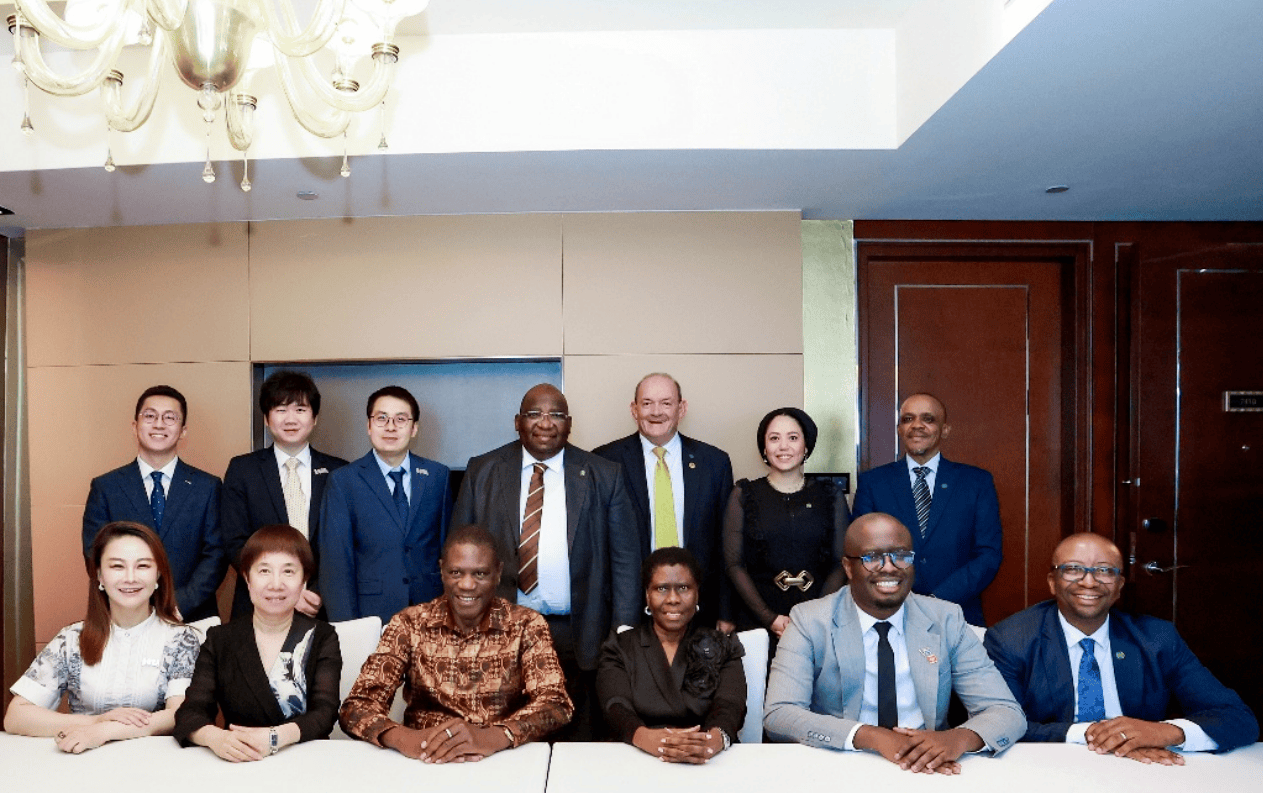
Wang Ju proposed that IHFCA is willing to engage in deep and pragmatic cooperation with South Africa across four dimensions: First, establish channels to connect policies, standards, projects, and global industrial resources. Leveraging the Association's global hydrogen network, assist South Africa in absorbing advanced international development experience, matching with high-quality industrial partners, and promoting the mutual recognition and coordination of hydrogen standards. Second, leverage South Africa's platinum group metal resources and industrial base to build a localized, distinctive hydrogen valley. Promote the upgrade of mineral resources from primary raw material exports to high value-added deep processing, and lay out the entire chain of manufacturing for electrolytic hydrogen production, fuel cells, and complete vehicles, helping South Africa transform from a single resource supplier to a hub for hydrogen technology R&D, equipment manufacturing, and scenario application. Third, adhere to a scenario-first approach to drive industrial implementation, prioritizing fuel cell vehicles for mines, ports, long-haul logistics, and urban public transportation, as well as industrial backup power. The Association has already planned a comprehensive green hydrogen demonstration project in South Africa with partner institutions, creating an integrated model encompassing renewable energy hydrogen production, industry chain operation, and professional technical training, forming a replicable and scalable implementation model. Fourth, move beyond single-project cooperation models and support South Africa in building a high-level international hydrogen energy dialogue platform. Using South Africa as a strategic anchor point in Africa, connect with regional countries to establish regular channels linking the local industry with the global hydrogen ecosystem.
After thorough exchanges, both sides reached a consensus and clarified the subsequent implementation pathways: comprehensively advance the construction of international green hydrogen demonstration projects in the transportation sector, scaling up the demonstration application of fuel cell vehicles in mines, ports, and logistics; collaboratively participate in the joint development of global international hydrogen standards and improve South Africa's domestic hydrogen industry regulatory system; establish a long-term platform for cultivating professional hydrogen energy talent, continuously providing comprehensive industrial technology support; and establish a regular cooperation mechanism between South Africa and IHFCA. Through diverse forms such as high-level meetings, project matchmaking, and industrial technology exchanges, continuously empower South Africa's hydrogen industry to connect with the global industrial ecosystem and achieve high-quality sustainable development.
This article is compiled by Wedoany. All AI citations must indicate the source as "Wedoany". If there is any infringement or other issues, please notify us promptly, and we will modify or delete it accordingly. Email: news@wedoany.com
Related Products

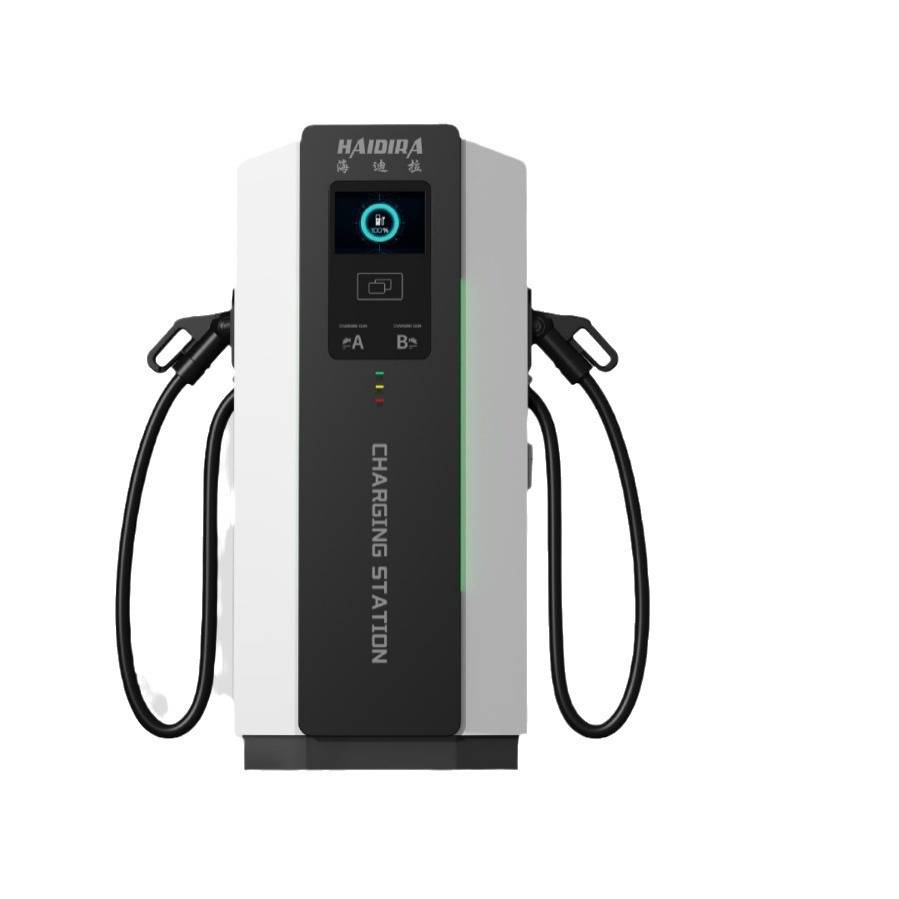
Manufacturer Direct Sales Tesla New Energy Electric Vehicle Universal DC 180kW Dual-gun Charging Pile Commercial Fast Charger
Anhui Haidira Electric Technology Co., Ltd.
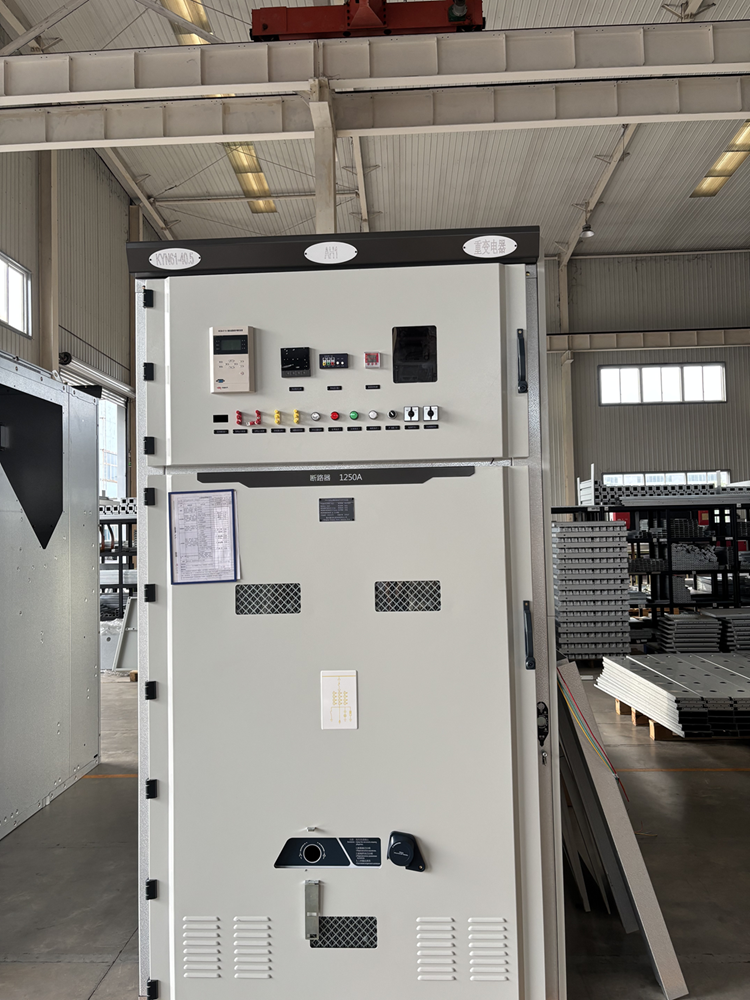
KYN61-40.5 Indoor AC Metal-clad Removable Switchgear
Chongqing Transformer Co., Ltd.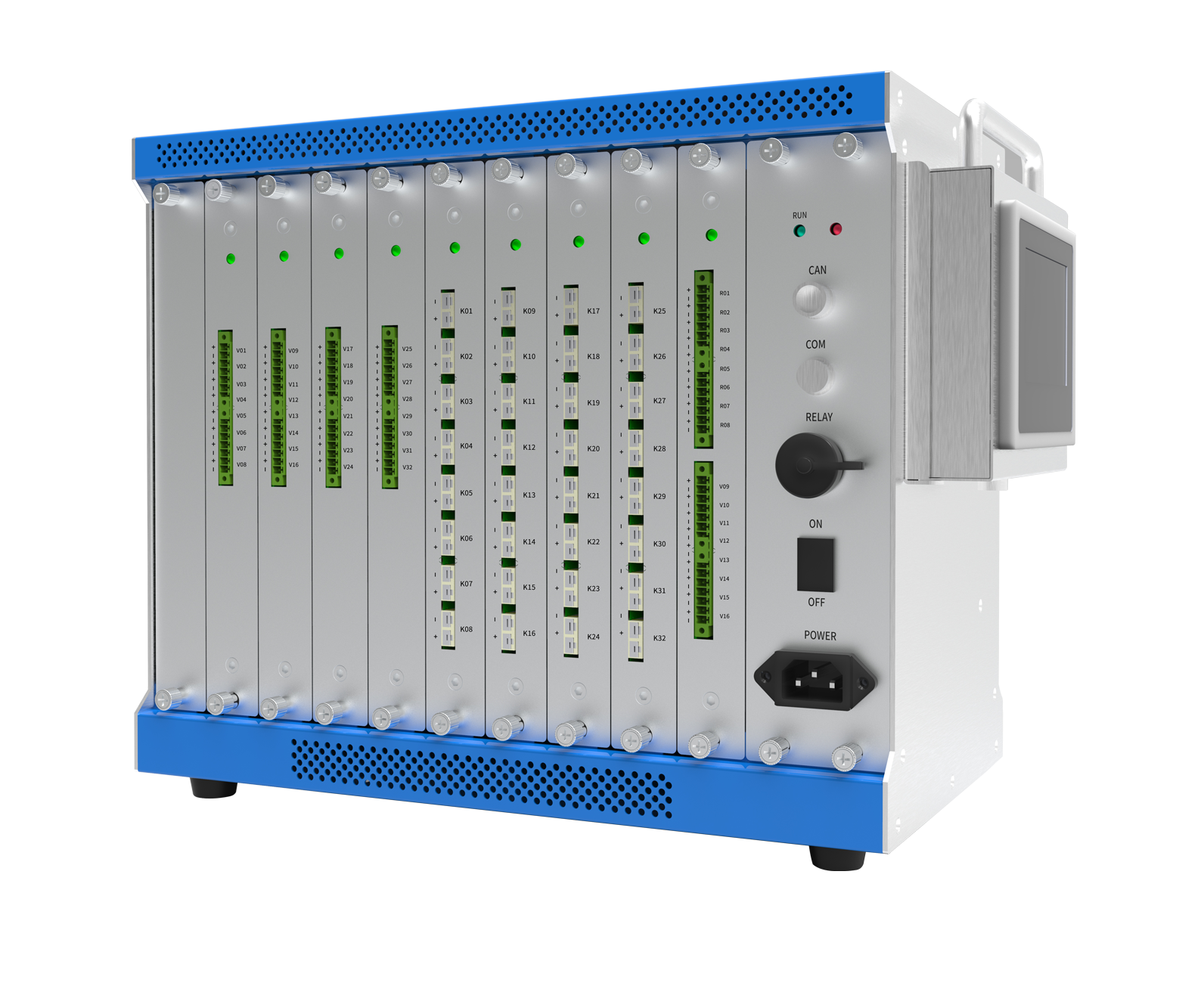
Optional Accessory - Auxiliary Sampling Module
Beijing Soaring Electric Technology Co., Ltd.

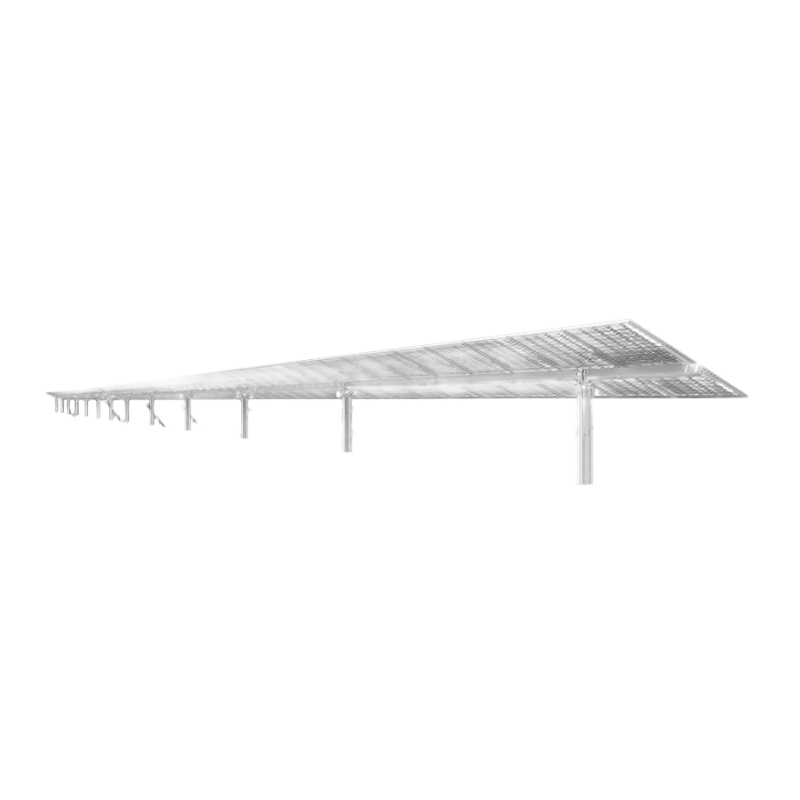
TAI Slew-drive Single-axis Independent 1P Tracking Bracket System
ANTAI TECHNOLOGY CO., LTD.
YE3 Series Low Voltage High Power Three-Phase Asynchronous Motor
Shandong Lijiu Electrical Machinery Co., Ltd.