Spanish ITQ Develops Integrated Ammonia-to-Hydrogen Reactor
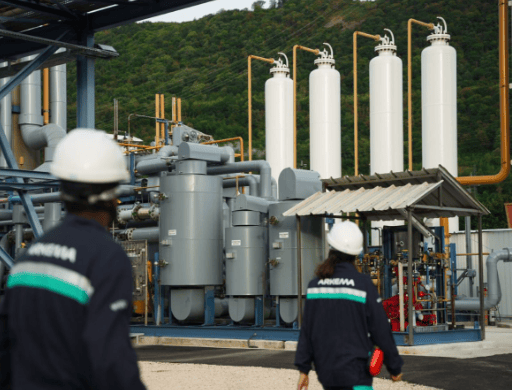
en.Wedoany.com Reported - Researchers at the Instituto de Tecnología Química (ITQ) have developed a protonic ceramic electrochemical reactor (PCER) that integrates ammonia cracking, hydrogen separation, purification, and compression into a single reactor, enabling the direct production of high-purity hydrogen for storage or transport. This research is part of the SINGLE project, co-led by ITQ, which aims to use this reactor to replace the traditional energy-intensive stepwise hydrogen production process.
Ammonia, containing 17.6% hydrogen by weight and supported by existing global production and distribution infrastructure, is considered an ideal candidate for hydrogen transport. However, the complexity and high energy losses of conventional extraction processes have limited its application as an energy source. The newly developed PCER can decompose ammonia and separate hydrogen in a single step, without the need for external heat or mechanical compressors. David Catalán, a postdoctoral researcher at ITQ and co-author of the study, stated that the new PCER concept integrates ammonia dehydrogenation, hydrogen separation, and electrochemical compression into one step, significantly improving energy efficiency.
The highly integrated system demands precise control over the electrical, chemical, and thermal phenomena within the reactor. To this end, the ITQ team, in collaboration with researchers from the Universitat Politècnica de Catalunya (UPC), designed a computational model capable of describing the dynamic behavior of the electrochemical cell in real time, using advanced control algorithms to maintain system stability and avoid performance losses. The study also includes an estimation algorithm to obtain key variables such as hydrogen partial pressure and membrane resistance, helping to prevent catalyst degradation and optimize hydrogen production. UPC researcher Andreu Cecilia explained that soft sensors can convert incomplete signals into useful information, improving reactor control.
The model has been validated through high-fidelity simulations, demonstrating a high degree of consistency in extraction efficiency, ammonia conversion rate, and thermal behavior. Real-time validation capability is considered a key factor in determining its future industrial application.
Related Products


G.652.D Wavelength-extended Non-dispersion Shifted Single-mode Optical Fiber
HONGAN GROUP CO., LTD.
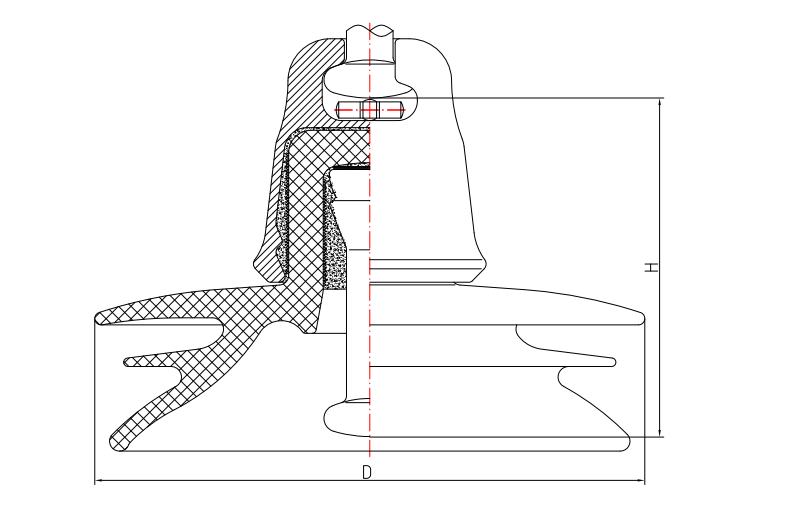
Post-type AC Pollution-resistant Disc Suspension Porcelain Insulator (Triple Umbrella Type)
Shandong High Voltage Insulator Co., Ltd.
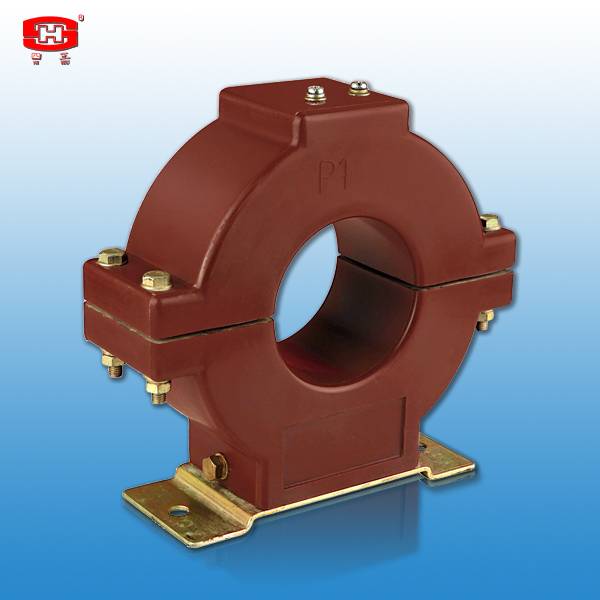
0.66kV Power Supply Instrument Transformer
Guangdong Sihui Instrument Transformer Works Co., Ltd.