South Korea Launches SEED Initiative with 10 Trillion Won Investment Over Five Years, Targeting 2035 Goals
en.Wedoany.com Reported - The Ministry of Science and ICT has launched the "Strategic Emerging Engine for Disruptive Innovation (SEED)" initiative, deploying innovative projects across seven key directions in three major areas—clean energy, next-generation technologies, and future foundations—aimed at pre-cultivating advanced technologies to drive South Korea's growth over the next 10 to 20 years.
In a statement, the Ministry of Science and ICT noted that in a rapidly changing technological environment, gaps in key industries make it difficult for South Korea to ensure sustainable growth. The government aims to plant the seeds of advanced technologies now and nurture them from a long-term perspective, positioning them as secure core assets for the nation's future growth engines.
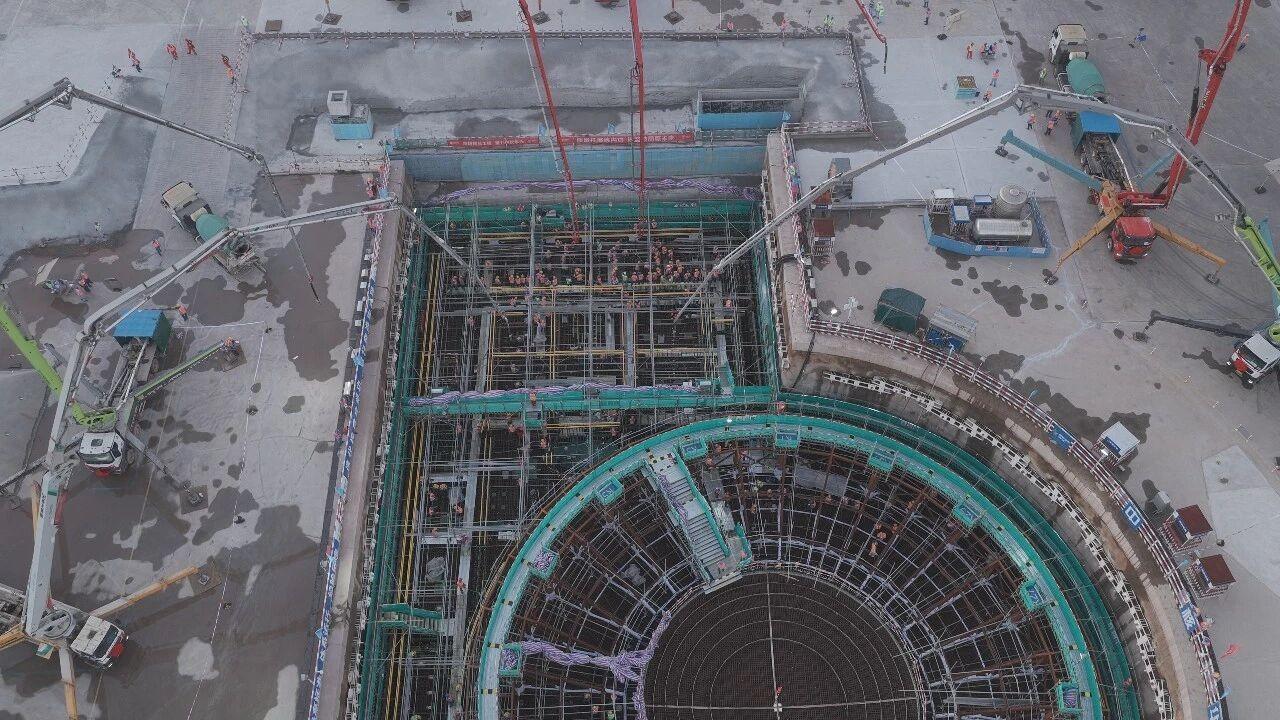
The clean energy sector addresses both the surge in electricity demand driven by the AI revolution and the challenge of carbon neutrality, with three projects focusing on small modular reactors (SMRs), nuclear fusion, and breakthrough renewable energy. Under the targets, light-water SMRs are to be commercialized by 2035, with non-light-water SMRs commencing construction in 2030. As SMRs can meet growing electricity demand through on-site modular assembly, the government has been supporting SMR design development and plans to accelerate the process using advanced technologies such as digital twins. It has also proposed establishing a public-private special purpose company to develop the technology and promote it in the global SMR market. On the regulatory front, plans call for establishing a regulatory framework for SMR design and implementation covering utility power generation as well as industrial, maritime, and defense sectors by 2030.
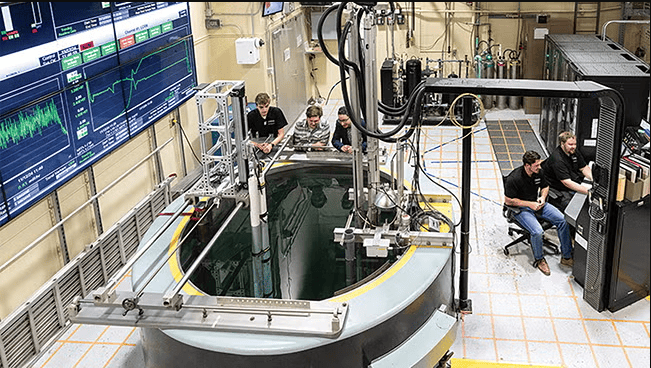
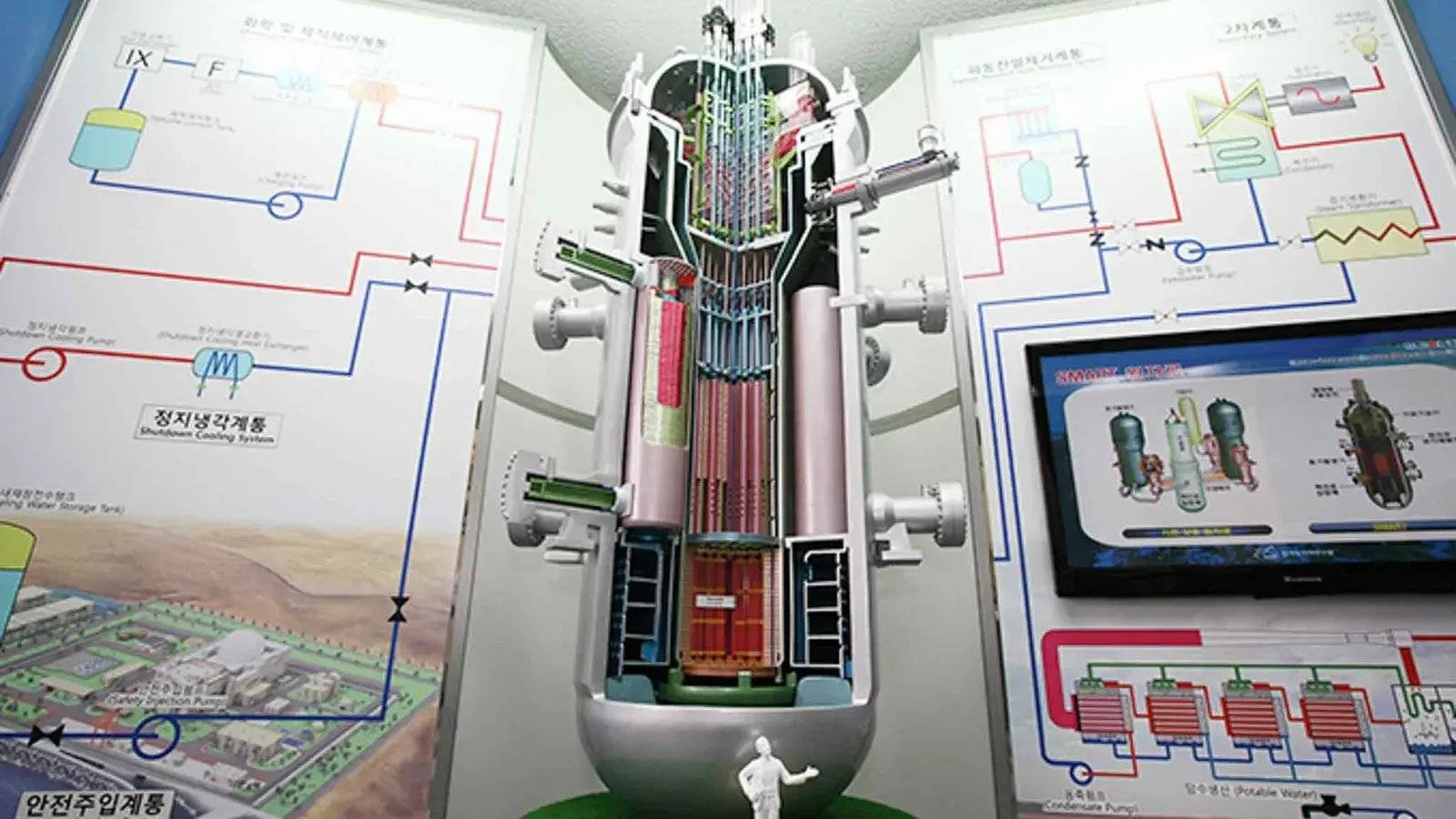
The Korea Atomic Energy Research Institute has been continuously developing SMRs since the late 1990s, successively introducing SMART, SMART100, and the next-generation i-SMR. The SMART100 has a design power of 110 megawatts electric (MWe) and 365 megawatts thermal (MWt), with a design life of 60 years, and feasibility studies for deployment are currently underway in Indonesia, the Czech Republic, and Canada. The i-SMR is planned with a power output of 170 MWe and a design life of 80 years, with operations expected to begin in 2035 and standard design approval anticipated in 2028.
In the fusion sector, the goal is to build a national reactor based on public-private cooperation, achieving first power generation by 2035 and commercial power generation in the 2040s. Related activities include advancing supply chain development and establishing a regulatory framework to address bottlenecks. The Korea Atomic Energy Research Institute is also participating in the Polywell fusion project of Energy Matter Conversion Corp, headquartered in San Diego, with a pilot expected in 2038. The Korea Institute of Fusion Energy (KFE), as South Korea's representative institution in the International Thermonuclear Experimental Reactor (ITER), is advancing the KSTAR project as the foundation for a future fusion device, with full-scale design work launched in June. As part of its ITER contribution, KFE is responsible for delivering the tritium storage and delivery system.
In the clean electricity project sector, the solar energy field focuses on commercializing perovskite tandem cells with efficiency exceeding 35% and developing space-based data center technology. In wind power, the focus is on building domestic manufacturing capacity for ultra-large turbines above 20 megawatts and floating systems. Industry-academia-research collaboration will develop 50–100 megawatt-class water electrolysis capacity to supply clean hydrogen in a timely manner. In the power grid sector, high-voltage direct current (HVDC) transmission and superconducting technologies will be demonstrated and promoted, with artificial intelligence integrated into grid planning.
The next-generation technology sector includes achieving a 100-qubit-class domestically produced quantum computer by 2029, ranking first in quantum chip manufacturing capability by 2035, achieving lunar landing by 2030, establishing an independent low Earth orbit satellite communication network by 2035, and building AI-based bio-infrastructure by 2030 with brain-computer technology commercialization by 2035. The future foundations sector advances supply chain development for core minerals and required materials and equipment, enhancing local capabilities and expanding strategic reserves for products that cannot be produced domestically. The South Korean government plans to establish detailed roadmaps for each project with monitoring, expand and strengthen research capabilities, and divide roles among industry, academia, and research institutions, investing 10 trillion won (US$7.1 billion) in key equipment R&D over the next five years.
Related Products

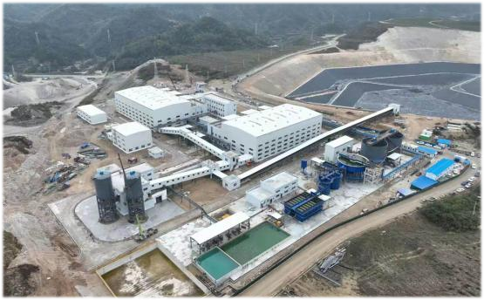
Yingping Mining Section Open-pit Tailings Backfill Treatment of Goaf Ecological Restoration EPC Project
China Bluestar Lehigh Engineering Corporation
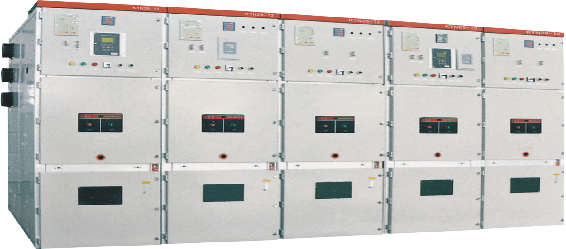
KYN28-12/24 Indoor High-Voltage Metal-Clad Removable Switchgear
Shenzhen Zhaoyang Hui Technology Co., Ltd.
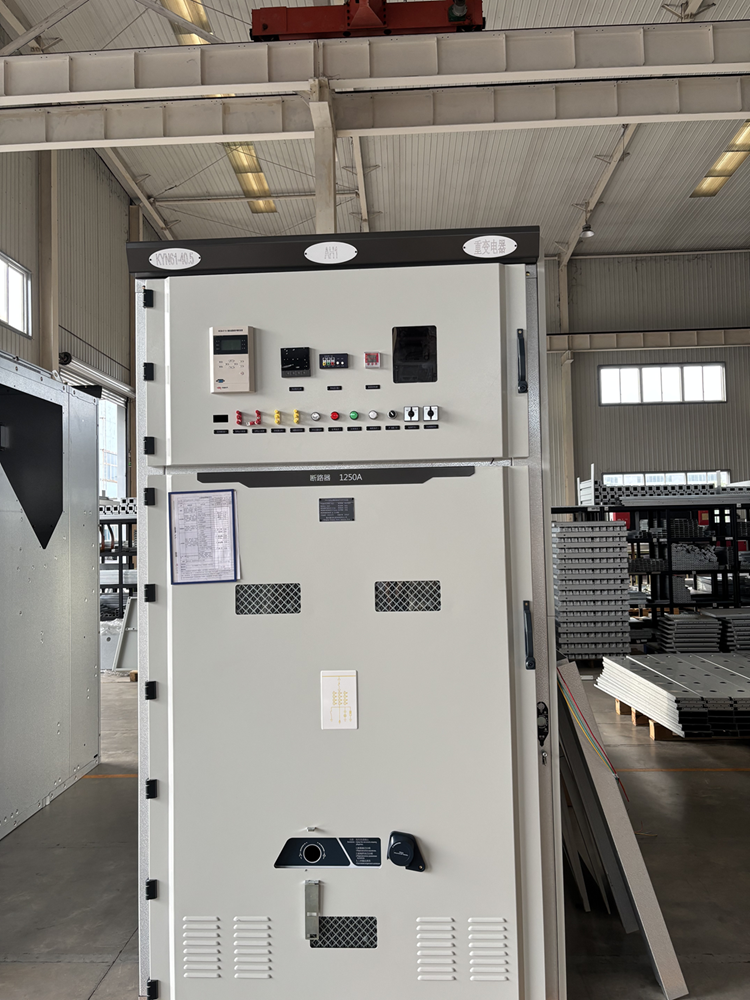
KYN61-40.5 Indoor AC Metal-clad Removable Switchgear
Chongqing Transformer Co., Ltd.