India's HPCL Commissions 370 Tonnes/Year Green Hydrogen Unit
en.Wedoany.com Reported - The global energy transition is increasingly focusing on two energy carriers: "molecules" and "electrons." Renewable electricity is accelerating decarbonization in the power sector, but hard-to-abate industries such as refining, steel, chemicals, fertilizers, aviation, and shipping still require an energy carrier that can provide both process heat and perform a chemical function. Among the many net-zero pathways, green hydrogen is regarded as one of the most viable solutions.
For the refining industry, green hydrogen represents both an opportunity and an inevitability. Global hydrogen demand currently approaches 100 million tonnes per year, with over 95% consumed by refining, ammonia, methanol, and chemical manufacturing. Refining alone accounts for 15% to 20% of total consumption, making it one of the world's largest industrial hydrogen users. However, more than 99% of global hydrogen is still produced from fossil fuels, primarily via steam methane reforming (SMR) and coal gasification, resulting in high carbon emission intensity. The shift from grey to green hydrogen is therefore one of the most impactful entry points for industrial decarbonization.
Hydrogen is not new to refineries. A modern refinery consumes tens of thousands of tonnes of hydrogen annually to process crude oil into cleaner transportation fuels. As fuel specifications continue to tighten, hydrogen demand within refineries is rising. This opportunity is particularly pronounced in India. Indian refineries collectively consume approximately 2 to 3 million tonnes of hydrogen per year, currently produced mainly through fossil-fuel-based routes. Because refineries already possess the full suite of infrastructure for hydrogen production, handling, storage, compression, purification, and distribution, they are regarded as one of the fastest channels for deploying industrial-scale green hydrogen. Rather than creating new hydrogen demand, this is about decarbonizing an existing and strategically significant industrial feedstock.
Globally, several refiners are evaluating or implementing green hydrogen projects. Europe has seen large-scale investments integrating electrolyzer-based hydrogen production with refining operations, and major energy companies are exploring large projects that combine renewable power generation with hydrogen production to reduce refining emissions and produce sustainable fuels. Refineries are thus increasingly viewed as "anchor consumers" of the emerging hydrogen economy.
Under its National Green Hydrogen Mission, India has set clear targets, positioning hydrogen as a strategic pillar for achieving energy independence and its net-zero vision. The mission plans to build 5 million tonnes per year of green hydrogen capacity by 2030, with supporting investments approaching ₹200 billion. Achieving this target will require approximately 250 to 275 terawatt-hours of renewable electricity annually. Based on an electricity consumption of 50 to 55 kWh per kilogram of green hydrogen produced, the required integrated renewable energy capacity is approximately 45 to 60 GW, depending on capacity factors.
The refining industry is expected to play a pivotal role in this transition. Integrating green hydrogen into refining processes can directly reduce emissions without fundamentally altering downstream process units. Several Indian refiners have announced green hydrogen initiatives, pilot projects, and commercial-scale deployment plans. Hindustan Petroleum Corporation Limited (HPCL) has commissioned a 370 tonnes/year green hydrogen unit at its Visakhapatnam refinery, becoming the first refiner in India to produce and actually use green hydrogen in its refining operations. Such deployments will accumulate operational experience for subsequent scale-up and commercialization.
While refineries are the natural entry point, the application radius of green hydrogen extends far beyond. The steel industry is evaluating hydrogen-based direct reduced iron (DRI) processes to replace coal-based reduction routes; fertilizer manufacturers are exploring green ammonia production; the aviation and maritime sectors are studying hydrogen-derived sustainable fuels; and long-duration energy storage and hydrogen mobility are also seen as future growth areas. However, most of these applications are still in the process of moving from pilot to commercial scale. The value of refineries lies in providing an immediate and mature demand base that can accelerate electrolyzer deployment, manufacturing scale-up, and supply chain development.
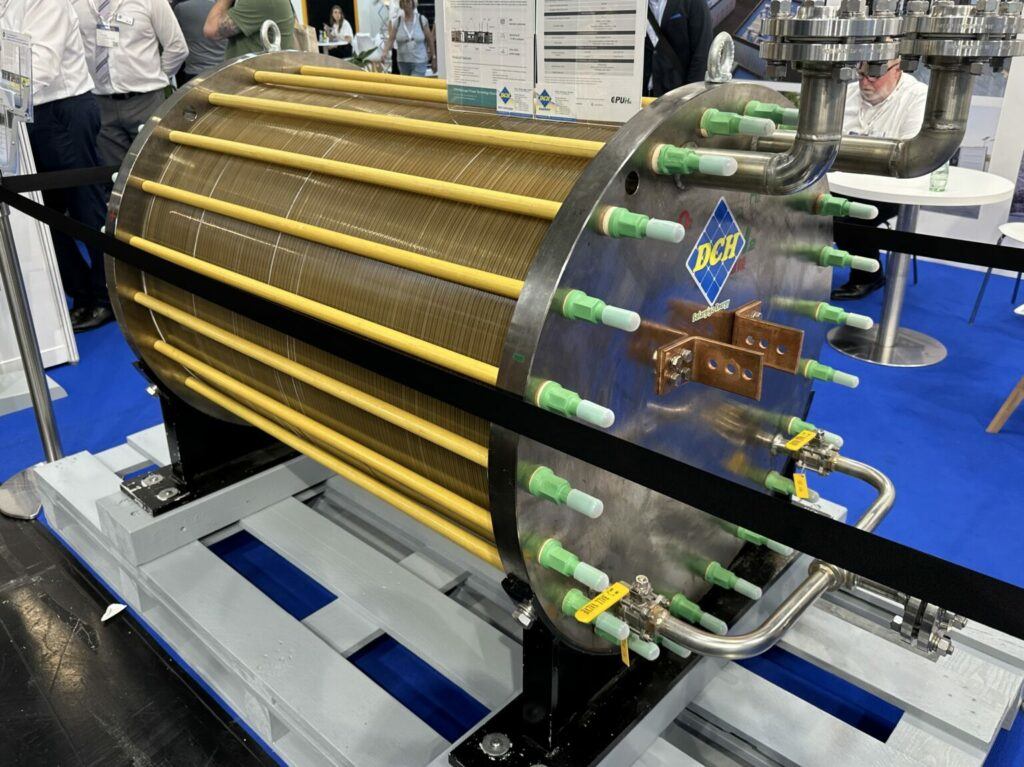
Integrating green hydrogen into refining operations is not a simple substitution. Green hydrogen production is strongly correlated with renewable power supply, introducing new system complexities. Taking a refinery with a daily hydrogen output of 100 tonnes as an example, if all hydrogen demand were met by electrolysis, approximately 5 to 5.5 GWh of electricity would be required daily. Renewable energy supply capacity, grid integration, energy storage configuration, and electrolyzer efficiency thus become decisive factors in project economic viability. Electrolyzers need to operate efficiently under fluctuating power conditions while meeting the refinery's continuous hydrogen supply requirements. Among existing technologies, alkaline electrolyzers remain the most mature and commercially proven option, with relatively lower capital costs and a well-established supply chain, though their low-load operational flexibility is limited. Anion exchange membrane (AEM) electrolyzers are emerging as an attractive alternative, offering superior dynamic response capabilities and the ability to operate across a wider range of power inputs. Future refinery hydrogen production units may increasingly adopt hybrid configurations, combining the economics of alkaline systems with the flexibility of AEM technology.
In principle, every kilogram of grey hydrogen currently consumed by refineries can ultimately be replaced by green hydrogen, but actual progress depends on scale, economics, infrastructure integration, and renewable power availability. Large refineries consuming hundreds of tonnes of hydrogen per day require hundreds of megawatts of electrolyzer capacity and substantial renewable energy assets. The cost of green hydrogen remains strongly influenced by electricity prices, electrolyzer capital expenditure, plant utilization rates, and system efficiency. Hydrogen purity requirements, compression systems, storage facilities, and integration with refinery hydrogen pipeline networks also need to be optimized on a case-by-case basis. Intermittency management is equally a core challenge: refineries operate continuously, while renewable power generation fluctuates throughout the day. Addressing this mismatch requires the coordinated deployment of flexible electrolyzers, hydrogen storage, grid connections, and advanced energy management systems.
The long-term competitiveness of green hydrogen will depend largely on advances in electrochemical engineering, materials science, and system integration. Electricity typically accounts for 60% to 70% of green hydrogen production costs, making reduced specific energy consumption a key technical objective. Improvements in catalyst design, membrane materials, electrode structures, diaphragm technology, and stack engineering are expected to enhance efficiency while improving durability and slowing performance degradation. Digital diagnostics, predictive maintenance, and intelligent process control systems will further improve equipment reliability and whole-lifecycle economics.
The HP Green R&D Centre (HPGRDC) in Bangalore is a central node in this transition. The centre has become one of India's leading hydrogen technology innovation institutions, with research covering the entire hydrogen value chain, including electrolyzer development, advanced electrocatalysts, hydrogen storage, mobility applications, and system integration. Since 2020, HPGRDC has continuously advanced a green hydrogen roadmap encompassing production, utilization, storage, and mobility, achieving several first-of-their-kind milestones, including the development of anion exchange membrane (AEM) electrolyzer technology and scaling it to megawatt-level system capacity. Additionally, HPCL has built a hydrogen refueling station near Visakhapatnam, completing the full hydrogen value chain from production and dispensing to end-use applications.
The future of sustainable refining will be deeply tied to the integration of green hydrogen. With global hydrogen demand approaching 100 million tonnes per year and India's target of building 5 million tonnes per year of green hydrogen capacity by 2030, refineries are uniquely positioned to become anchor consumers of renewable hydrogen. Achieving meaningful decarbonization is not simply a matter of installing electrolyzers; it depends on a systematic approach encompassing renewable energy integration, flexible hydrogen production, advanced energy storage, digital optimization, and continuous innovation across the entire value chain. Refineries that embrace this transition earlier will not only reduce their own carbon footprint but also secure their position in the emerging hydrogen economy.
Related Products
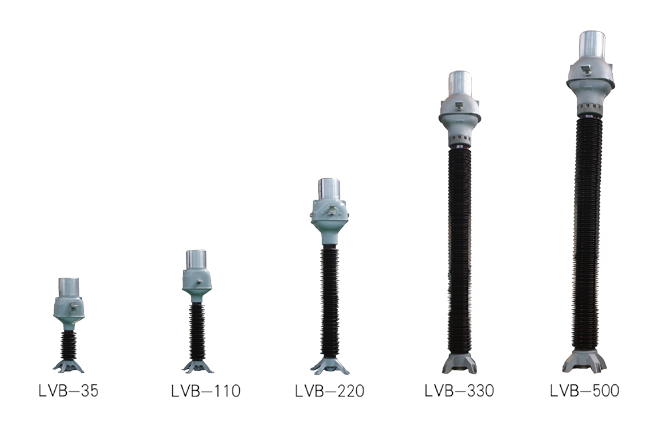

LVB Series 35-500kV Oil-immersed Inverted Current Transformer
Shandong Taikai Instrument Transformer Co., Ltd.
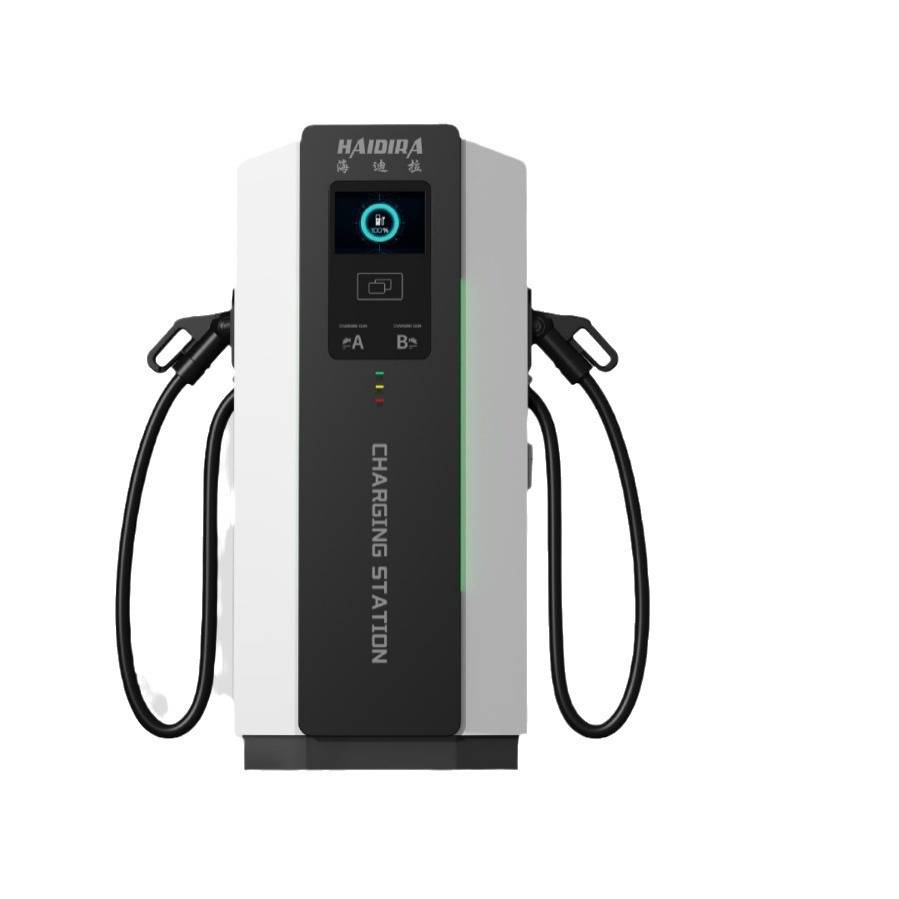
Manufacturer Direct Sales Tesla New Energy Electric Vehicle Universal DC 180kW Dual-gun Charging Pile Commercial Fast Charger
Anhui Haidira Electric Technology Co., Ltd.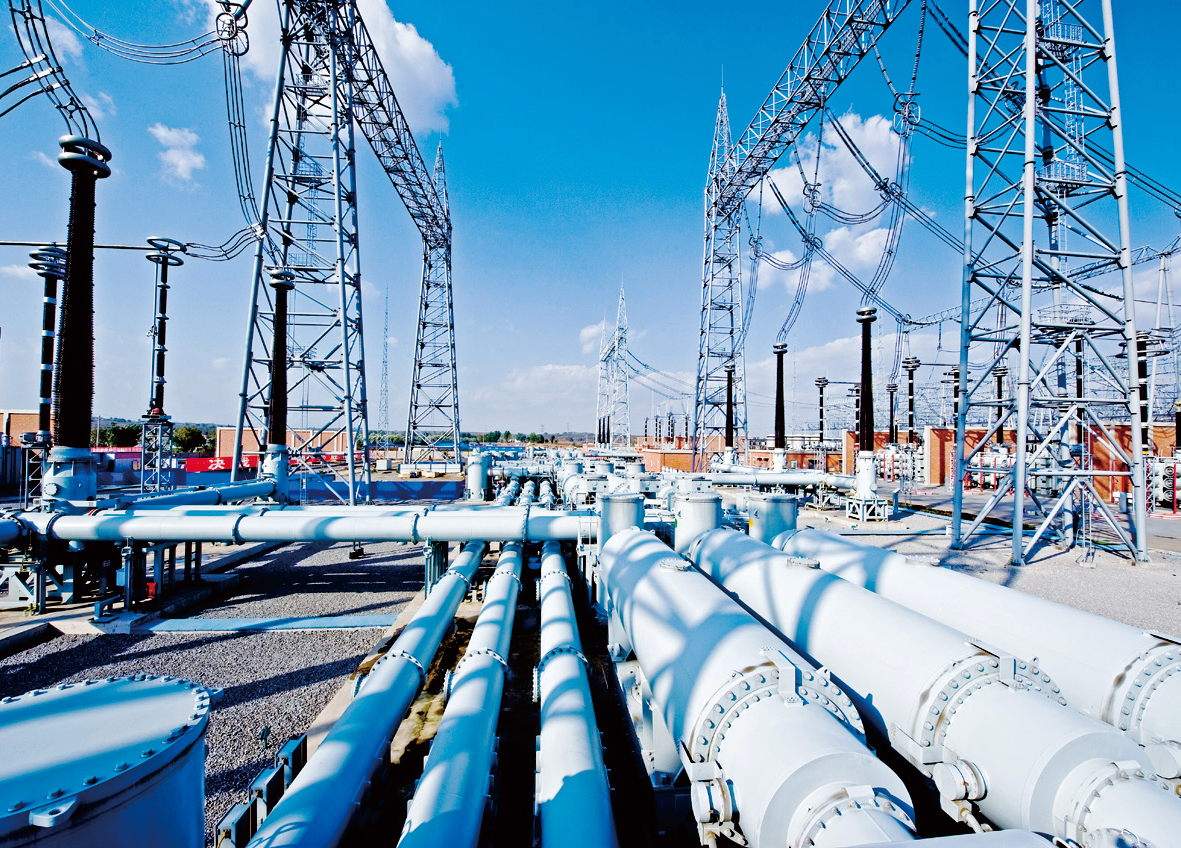
40.5kV-1100kV Gas Insulated Metal-Enclosed Switchgear (GIS)
Henan Pinggao Electric Co., Ltd.

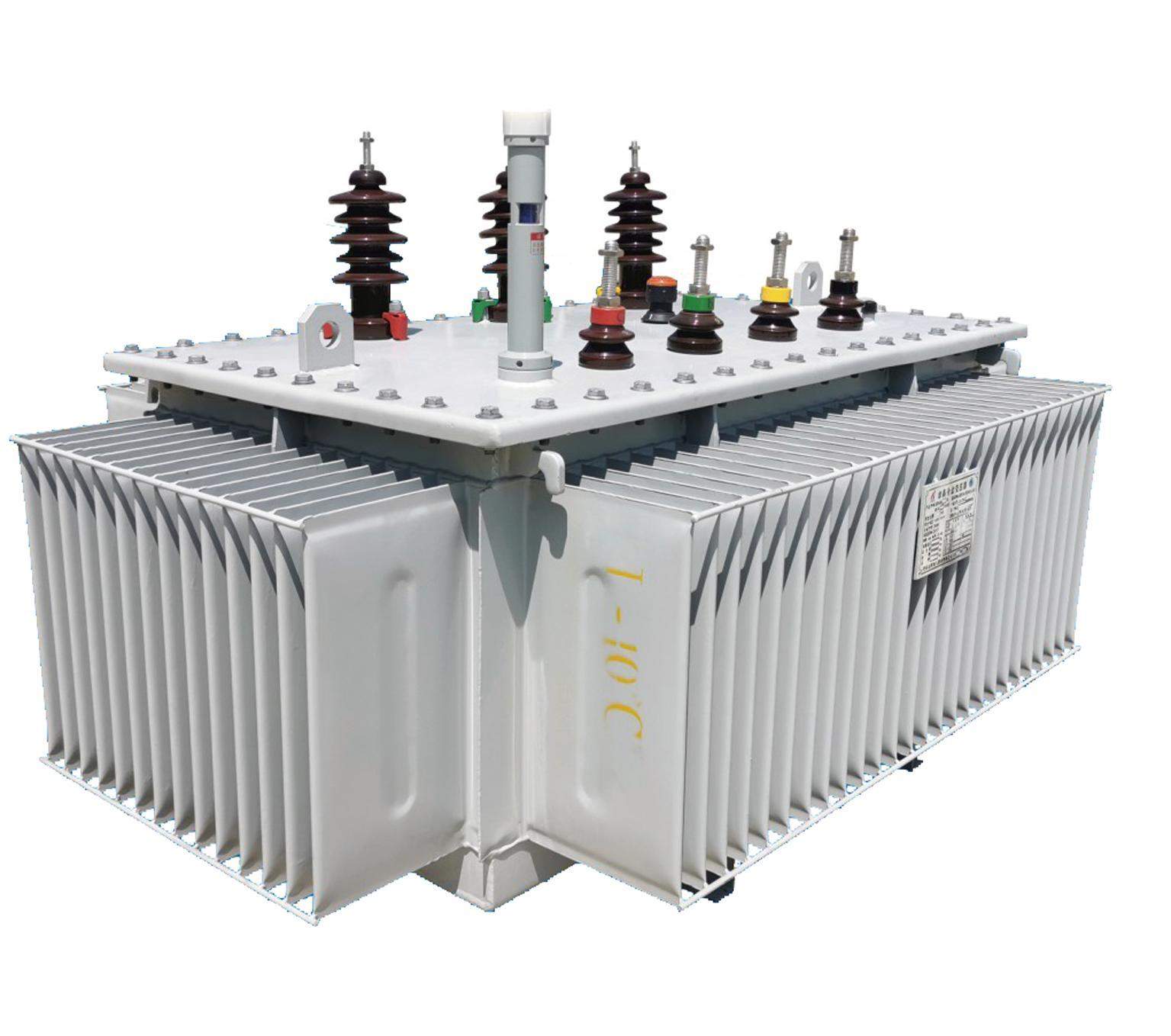
S(B)H15 Type (Energy Efficiency Level 3) Oil-Immersed Amorphous Alloy Core Distribution Transformer
Henan Longxiang Electric Co., Ltd.
Oil-immersed Amorphous Alloy Core Distribution Transformer
Pinggao Group Smart Electric Co., Ltd.
6kV-35kV Medium and High Voltage Direct-Connected Energy Storage System
Hainan Jinpan Smart Technology Co., Ltd.
Optional Accessory - Auxiliary Sampling Module
Beijing Soaring Electric Technology Co., Ltd.