SunHydrogen-Sparc Joint Testing Achieves Over 10% Solar-to-Hydrogen Efficiency
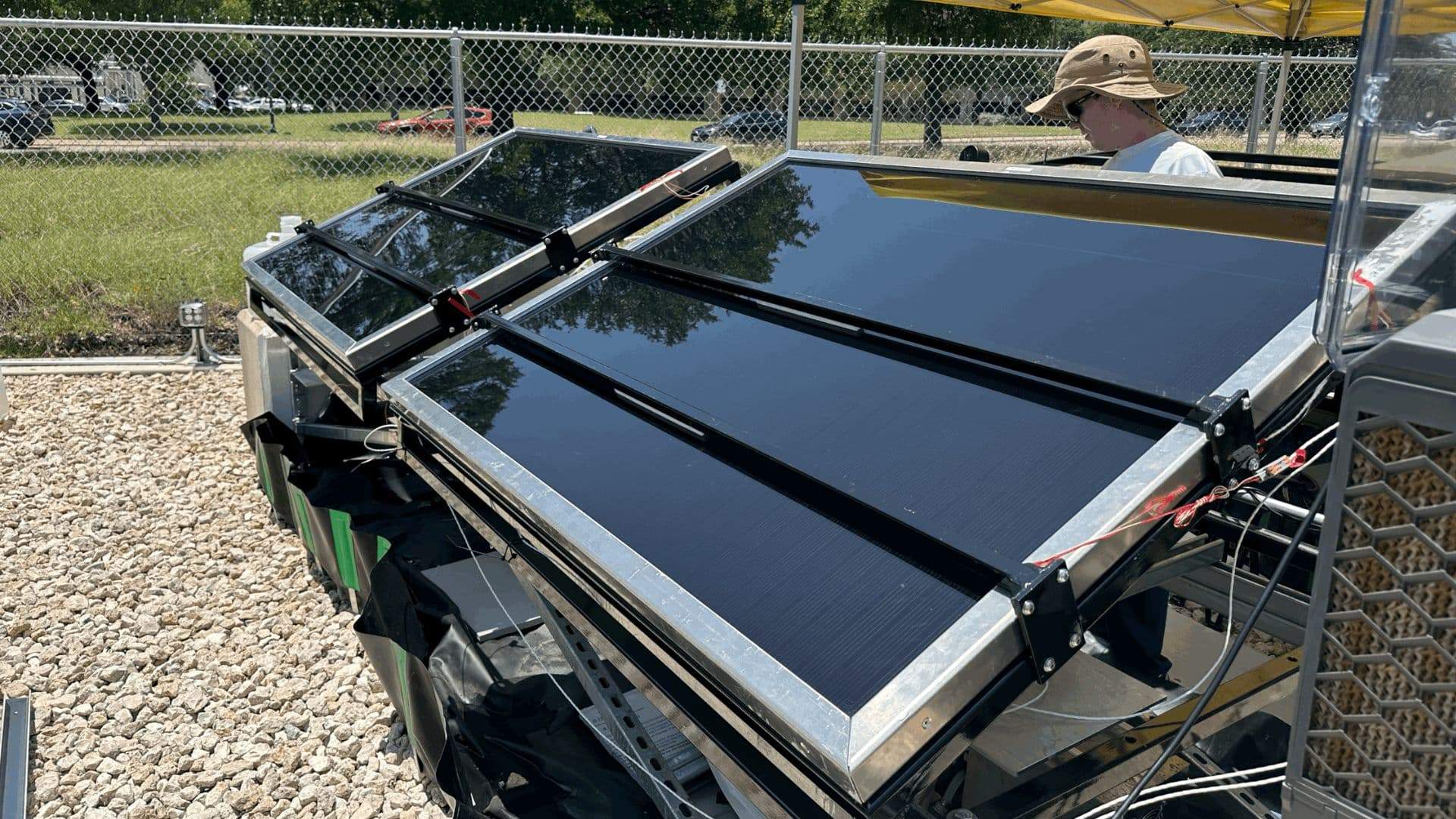
en.Wedoany.com Reported - SunHydrogen's solar hydrogen modules have achieved over 10% solar-to-hydrogen (STH) efficiency in joint testing with Sparc Hydrogen. The two companies have signed a 24-month technology collaboration agreement, planning to integrate the modules into Sparc Hydrogen's concentrated solar reactor and advance to outdoor pilot testing.
STH efficiency measures the proportion of incident solar energy converted into chemical energy in hydrogen. A 10% STH efficiency means that 10% of the sunlight striking the system is converted into hydrogen energy.
This result represents incremental progress, but it is not a world record. The U.S. National Renewable Energy Laboratory (NREL) reported a photoelectrochemical system achieving 16.2% STH efficiency in 2017. NREL also cautioned that inter-laboratory measurements without rigorous standardized testing may vary significantly.
Conventional green hydrogen systems typically use renewable electricity to power electrolyzers that split water. SunHydrogen takes a different route: its modules combine photoelectrochemistry with integrated photovoltaic-electrolysis components, integrating solar conversion and water splitting in the same device, rather than generating electricity at a power plant and then delivering it to an electrolyzer. Sparc Hydrogen, meanwhile, pursues a photocatalytic water-splitting route, with its reactor concentrating sunlight onto photocatalyst materials to trigger the hydrogen production reaction. The company was founded around research by Professor Greg Metha, a chemist at the University of Adelaide, whose team demonstrated concentrated solar hydrogen production in 2021.
The logic behind combining the two technologies is that if SunHydrogen's modules can operate efficiently under concentrated sunlight, they can benefit from the high solar flux that Sparc's reactor architecture is designed to harness. Initial testing showed that hydrogen output increased as sunlight was concentrated, indicating that higher light intensity can boost production rather than pushing the system beyond its effective operating range. The two companies will next increase concentration levels in the laboratory, followed by potential outdoor operation at the SHARP pilot facility in Roseworthy, South Australia. Test results will feed into a jointly funded techno-economic assessment to calculate the levelized cost per kilogram of hydrogen.
Commercial viability depends on more than just efficiency. Higher efficiency can reduce the equipment and footprint required to produce a given amount of hydrogen, but the system must also withstand challenges in material costs, catalysts, optics, thermal management, maintenance, and durability. Durability is particularly critical for direct photoelectrochemical hydrogen production: NREL notes that semiconductor materials can degrade when in contact with aqueous electrolytes, making it difficult to translate high laboratory efficiencies into long operational lifetimes. SunHydrogen and Sparc Hydrogen still need to prove that test efficiencies can transition from controlled laboratory conditions to larger-scale systems under concentrated sunlight.
If the collaboration reaches its milestones, Sparc Hydrogen will receive an 18-month option period to negotiate a long-term supply agreement or manufacturing license for SunHydrogen's modules.
Related Products
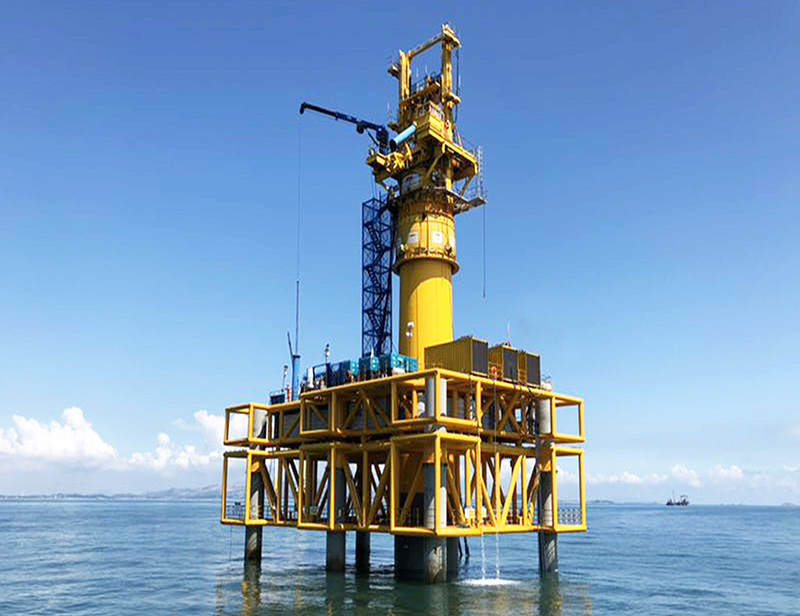

CITIC Heavy Industries Offshore Wind Power Equipment Hydraulic Pile Hammer
CITIC Heavy Industries Co., Ltd.
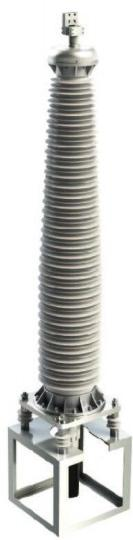
220kV Composite Outdoor Cable Terminal
Shenyang Guolian Cable Accessories Manufacture Co., Ltd.

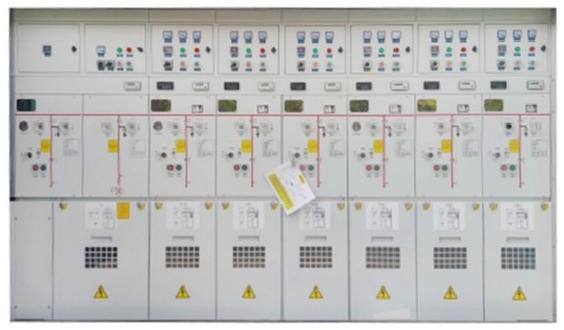
NISELA Series Environmentally Friendly Gas-Insulated Ring Main Unit
XJ DELISHIER ELECTRIC CO., LTD.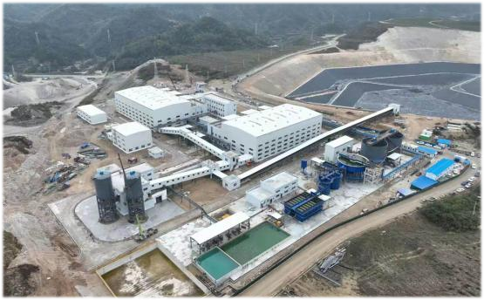
Yingping Mining Section Open-pit Tailings Backfill Treatment of Goaf Ecological Restoration EPC Project
China Bluestar Lehigh Engineering Corporation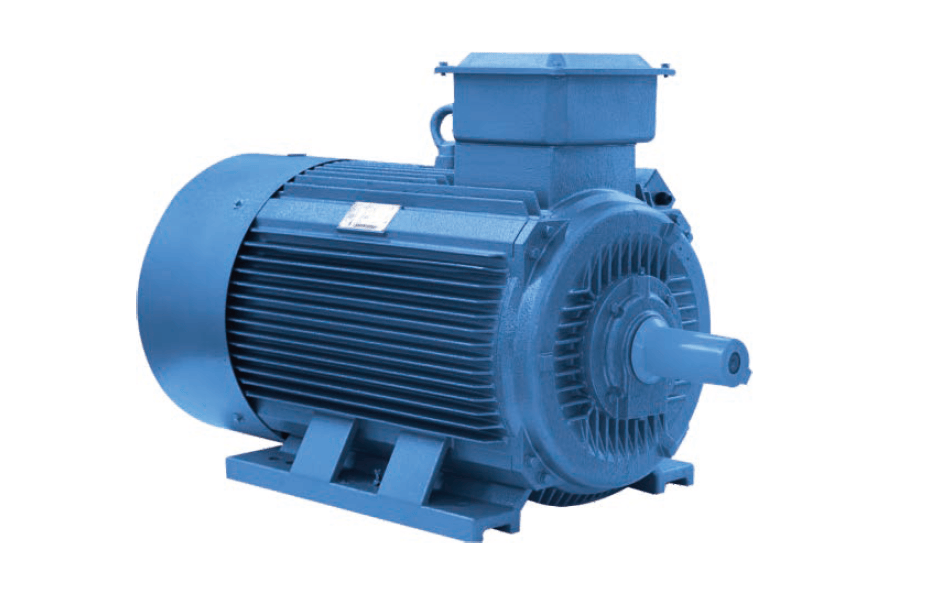
TYC Series High-Efficiency Permanent Magnet Synchronous Motor
Xiangdian Smart Energy Technology Co., Ltd.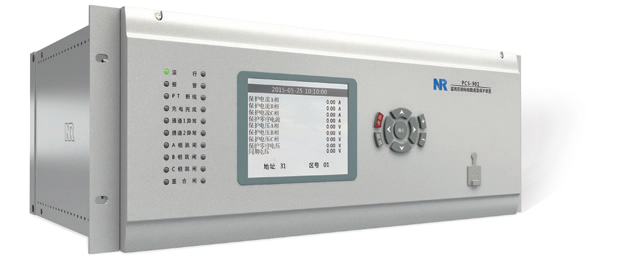
PCS-901 Series Ultra (Extra) High-voltage Transmission Line Complete Protection Device
Nanjing NR Electric Co., Ltd.