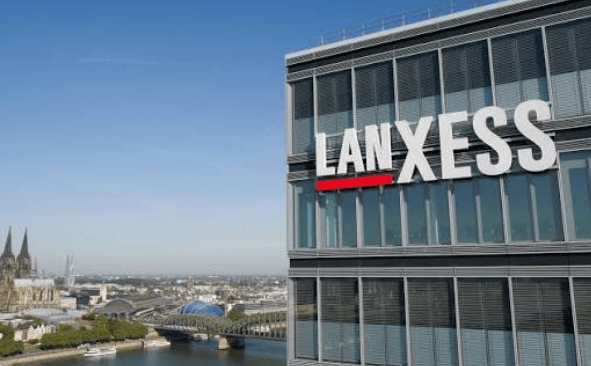
German Lanxess Large-Scale Plant to Run on Hydrogen by End of 2025, Cutting 6,000 Tons of CO2 Annually
en.Wedoany.com Reported - Lanxess, a specialty chemicals manufacturer, has made its production processes at the Krefeld-Uerdingen site more sustainable, with a large-scale plant now operating entirely on hydrogen for the first time. The spray dryer used to dry iron oxide pigments at the site was previously powered by natural gas; switching to hydrogen will reduce CO2 emissions by 6,000 tons per year.
Lanxess operates the world's largest iron oxide pigment production facility at this site, supplying products for applications such as the construction industry, paints and coatings, and plastics, known for their high tinting strength and weather resistance. The pigments are produced using the energy-efficient and waste-free Laux process, giving the resulting iron oxide pigments a leading low CO2 footprint in the industry.
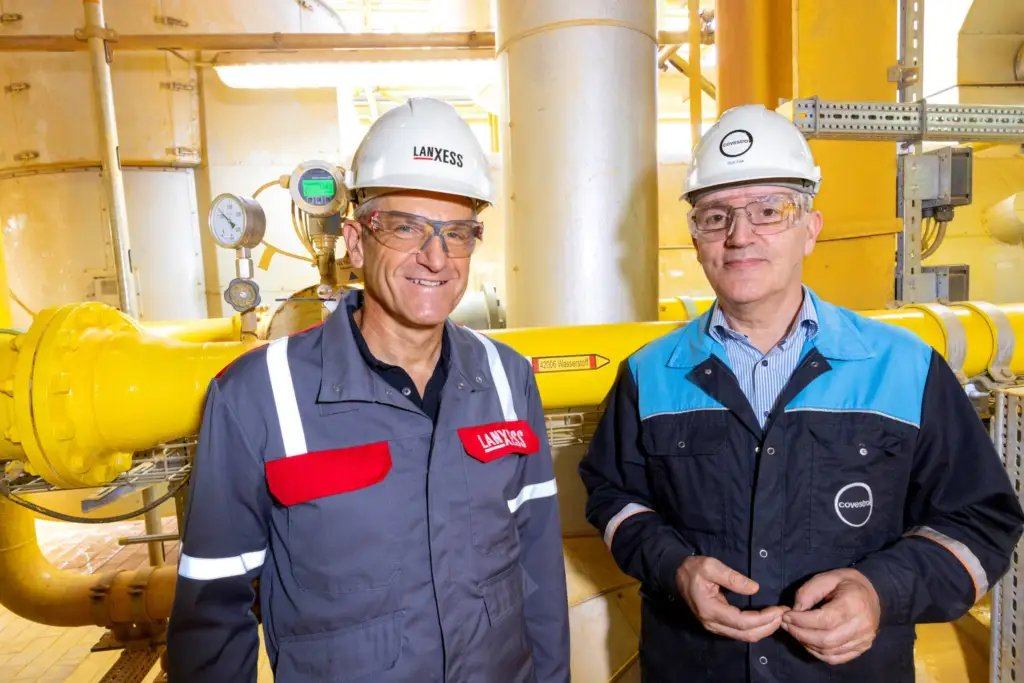
The hydrogen conversion project was gradually commissioned at the end of 2025, with the entire system designed entirely around hydrogen use, including dedicated hydrogen pipelines, adapted burners and measurement technology, as well as additional safety and control systems. Michael Ertl, head of Lanxess' Inorganic Pigments business unit, stated that the switch from natural gas burners to hydrogen burners represents a technological advancement on the company's path toward low-greenhouse-gas processes.
One of the key success factors of the project was the close cooperation with Covestro at the Krefeld-Uerdingen integrated site. Hydrogen is a by-product of Covestro's chlorine electrolysis process and is delivered directly to the Lanxess plant via pipeline. Rob Eek, Production Manager at Covestro, believes this project demonstrates that industrial partners within an integrated site can effectively drive the transition to climate-friendly production.
The two companies have a long history of cooperation at the site, with Covestro previously supplying nitrobenzene to Lanxess for iron oxide production. This hydrogen application adds a new climate-related element to the existing supply network and strengthens both companies' sustainability strategies.
Lanxess stated that this practice of replacing natural gas with hydrogen demonstrates that decarbonization can be achieved not only in pilot projects but also in continuous operations at large-scale plants.
Related Products

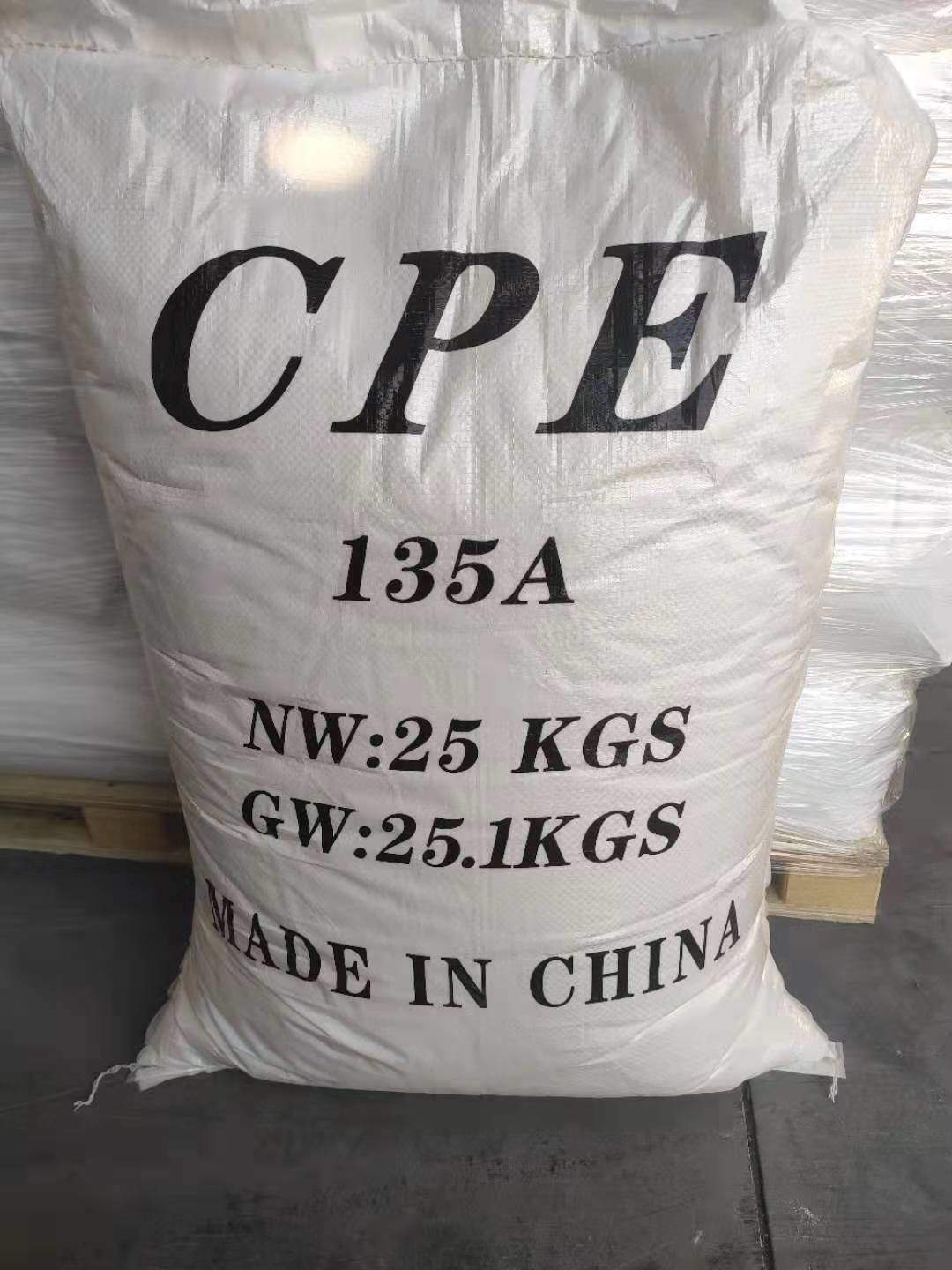
PVC Impact-Modified Chlorinated Polyethylene
Gansu Jinchuan Hengxin Polymer Technology Co., Ltd.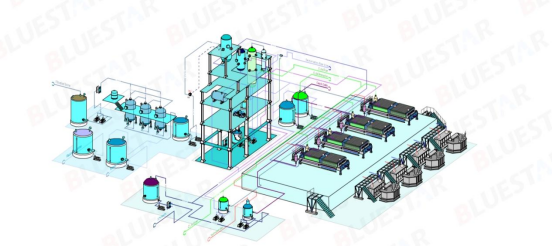
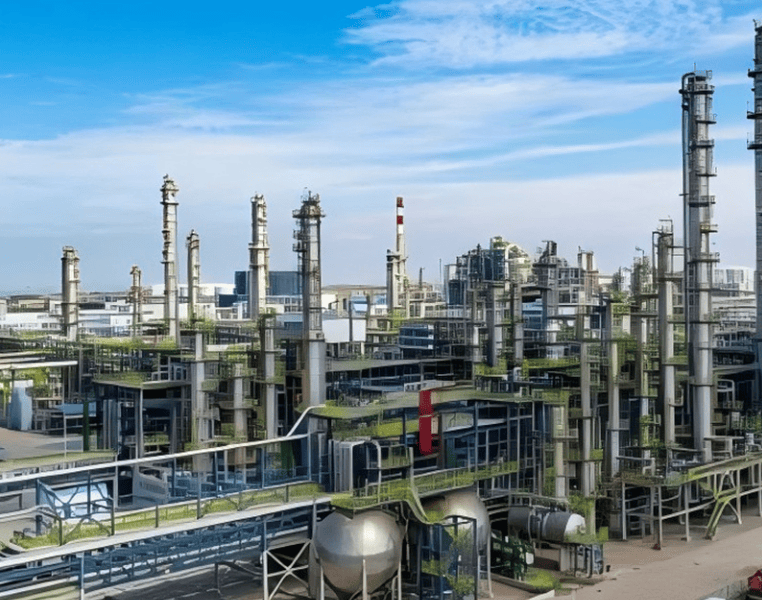
Steel Pipes for Refining and Coal Chemical Industries
YANGZHOU LONTRIN ENERGY EQUIPMENT CO.,LTD.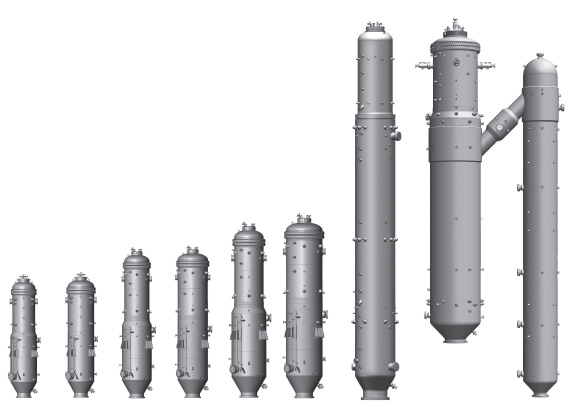
Gasification Furnace Series: Freely Combinable Aerospace Furnace
CHANGZHENG ENGLINEERING CO., LTD.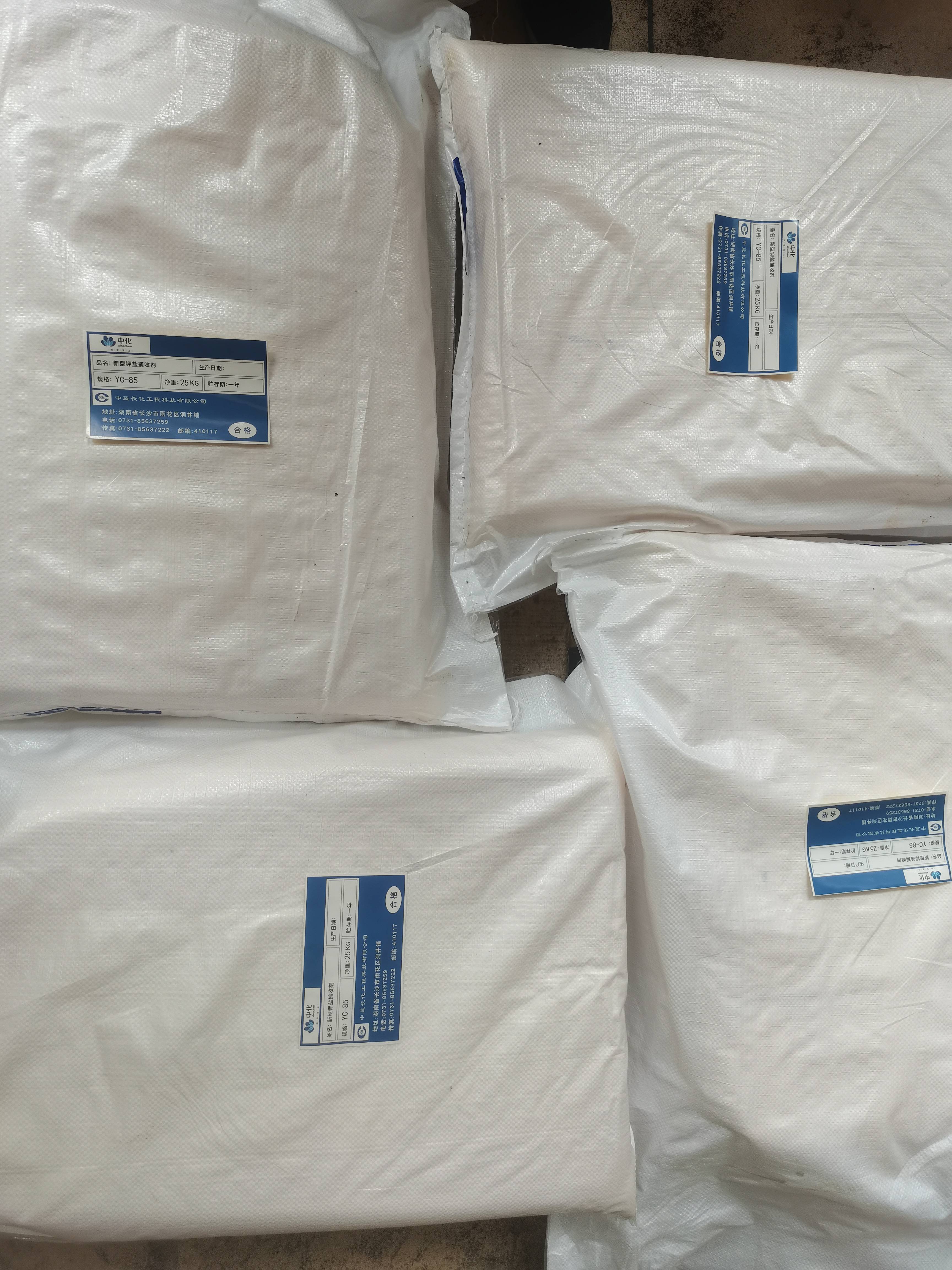
New Environmentally Friendly Green Potassium Salt Collector
Chonfar Engineering and Technology Co., Ltd.
CAP1400 main feedwater flow nozzle flowmeter.
Jiangsu Hongda Instrument Technology Co., LTD.