Canada's Element One Invests $1.67 Million to Develop Hydrogen from Rocks
en.Wedoany.com Reported - Element One Hydrogen & Critical Minerals Corp. (EONE.CN) is betting on chemical technology from Columbia University to extract natural hydrogen directly from rocks. CEO Brad Kitchen says the process costs only a fraction of oil and gas; the same ultramafic rock formation also comes with a magnesium business, which he estimates could generate annual revenue of approximately $95 million, all from U.S. onshore operations. These figures are management projections and have not been audited or independently verified. The geological hydrogen and carbon capture market is projected to generate revenue exceeding $50 billion.
Using the current gasoline price of roughly $6 per gallon in some U.S. states as a benchmark, the equivalent cost of green hydrogen (produced by splitting water using hydroelectric, wind, or solar power) is approximately $10 to $14 per gallon. Kitchen says natural hydrogen can produce equivalent energy for about 50 cents to $1, and is not geographically constrained; for example, if ultramafic rock lies beneath a community or mine in Alaska, it can power the site, with energy costs of only a few cents per dollar compared to diesel. This comparison pertains to a pre-commercial process, not demonstrated production results.
Hydrogen has been forming underground for a long time; the bottleneck lies in the rate of production. Kitchen says conventional hydrogen production from rocks takes millions of years, while existing technology can accomplish it in real time. The target rock is ultramafic rock, which makes up approximately 7% of the Earth, and the research is led by the team of Dr. Greeshma Gadikota, who holds the Lenfest Earth Institute Chair in Earth and Environmental Engineering at Columbia Climate School. According to Kitchen, the process only requires drilling 500 to 1,000 meters, and the reaction temperature requirement drops from about 300 degrees to 100 degrees; other companies attempt to heat rocks deep underground using microwaves or steam, but this process does not require that. The claims of "real-time" production and temperature reduction come from the interview and have not appeared in company press releases or published research.
Kitchen is based in Vancouver, with exploration teams in Smithers and Nanaimo, and research facilities in New York City and outside Newark, with projects spanning British Columbia, Alaska, and Washington State. The company has a two-year sponsored research agreement with Columbia University valued at $1.67 million, aimed at stimulating geological hydrogen generation and recovering critical metals. Field testing is scheduled for next summer, and the company also plans to drill for trapped hydrogen accumulations in British Columbia, Alberta, and Utah.
Kitchen says Element One is the only public company with this technology, but then quickly admits he is not certain either. Among peers in the same space, MAX Power Mining Corp. (MAXXF) of Saskatchewan has one well that has just begun exploration, and the company says it has confirmed North America's first underground natural hydrogen system, with a market capitalization of $330 million at the time of the interview, which differs from recent trading levels; QIMC is advancing a soil gas project in the Cumberland Basin of Nova Scotia; Koloma, backed by Bill Gates, is reportedly exploring in Kansas. Additionally, HyTerra (HYT) is testing oil wells in Kansas and Nebraska, Gold Hydrogen (GHY) is exploring the Yorke Peninsula in South Australia, and REV Exploration (REVX.VN), Primary Hydrogen Corp (HDRO.M.DX), Thor Energy, and UK-listed Getech have also positioned themselves in natural hydrogen. The GX Hydrogen ETF is also a public market vehicle in this theme, though its holdings lean toward green hydrogen.
On the magnesium business, the company plans to use Revora Materials' technology to process approximately 100,000 tonnes of feedstock annually in about two to three years, producing magnesium worth approximately $95 million per year in the coming years, though the business currently generates no revenue. The feedstock comes from a foundry sand agreement with supplier Mailbroke, a name that could not be verified in the company's public materials. Kitchen says there are very few magnesium sources in the U.S., and beyond the onshore procurement trend, there is also government impetus; at full production, it could meet approximately 15% to 20% of U.S. magnesium demand, which is a personal estimate. He expects the Department of Defense or the "Department of War" to issue a request for proposals for magnesium, though such a tender has not been confirmed. Because it directly leverages existing mines, it can save approximately 5 to 10 years of permitting and construction time; a former sawmill site in New York of approximately 45,000 square feet is already running a pilot loop, with access to rail, highways, and a deep-water port. Kitchen says the company does not yet have full annual cost data.
On hydrogen production scale estimates, Kitchen says that even recovering only 25% of the hydrogen produced would still yield approximately 14 million to 35 million tonnes of hydrogen, equivalent to 275 million to 686 million barrels of oil equivalent; this estimate pertains to a process that is not yet in production and generates no revenue, and has not been independently verified. He also links natural hydrogen to data center power demand, saying that if a location has ultramafic rock and plans to build a data center, it could power the facility and transmit electricity to the community; he cites last year's 30% increase in electricity costs in Cleveland due to data centers as an example, a figure that cannot be independently verified. As for traditional oil and gas companies, Kitchen expects they will buy and control the technology rather than resist it, because all turbines ever manufactured are already capable of using hydrogen, and most energy-intensive facilities are preparing to convert once hydrogen can be produced economically at scale. He believes the reason this technology was not developed in the past is that the technology did not exist at the time; next summer's field testing will determine whether laboratory results can be translated into practice.
Related Products

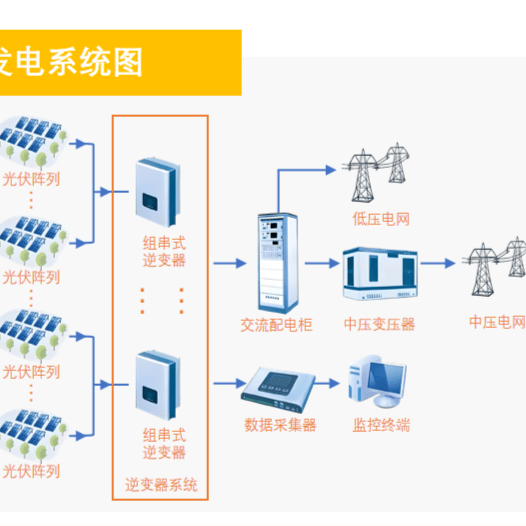
Photovoltaic and Wind Power Generation Technology
Beijing Boqi Electric Power SCI-TECH Co., Ltd.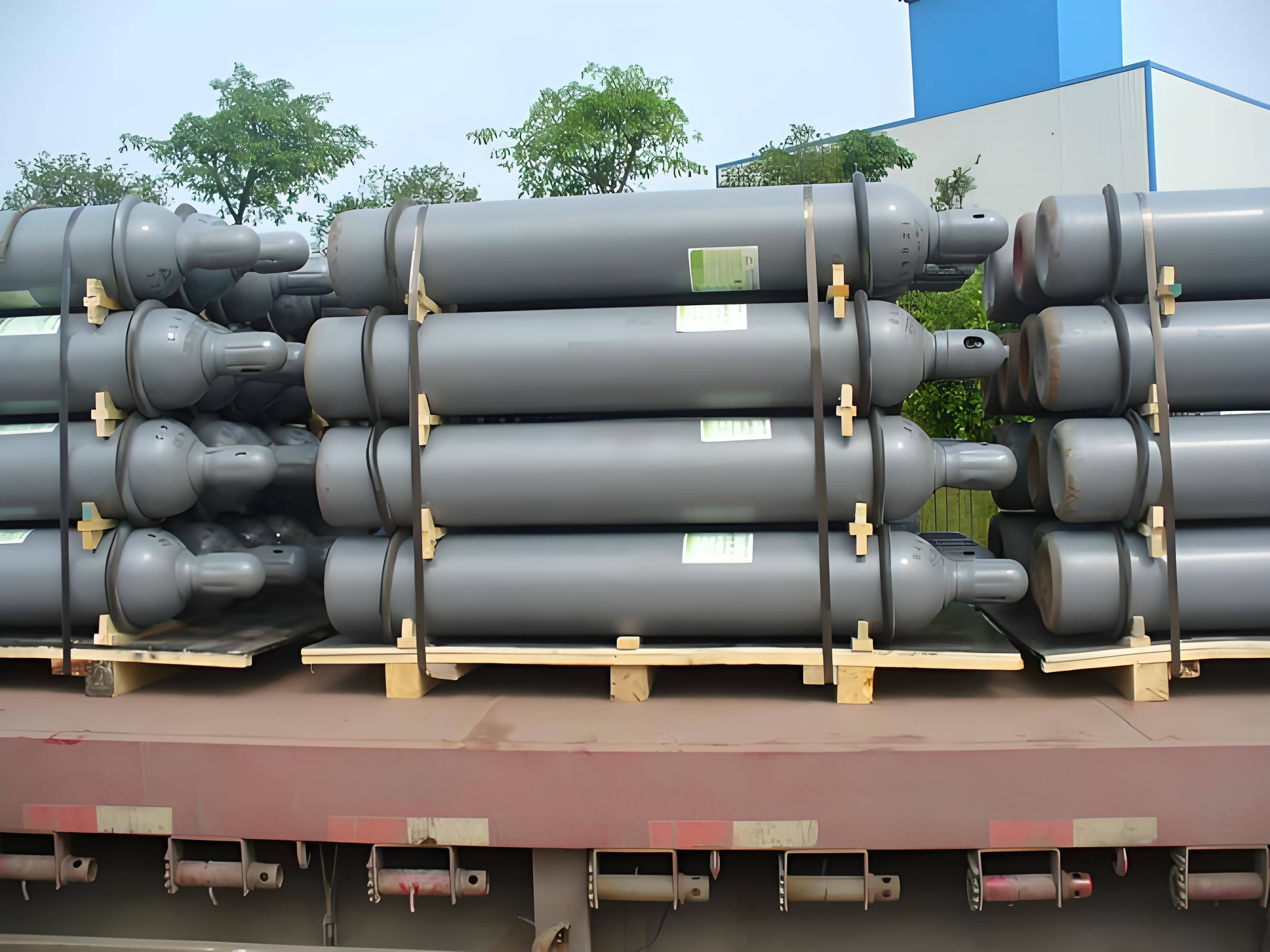
Global Sulfur Hexafluoride Gas Supply and Cylinder Export
Foshan Yuexin Industrial Gas Co., Ltd.
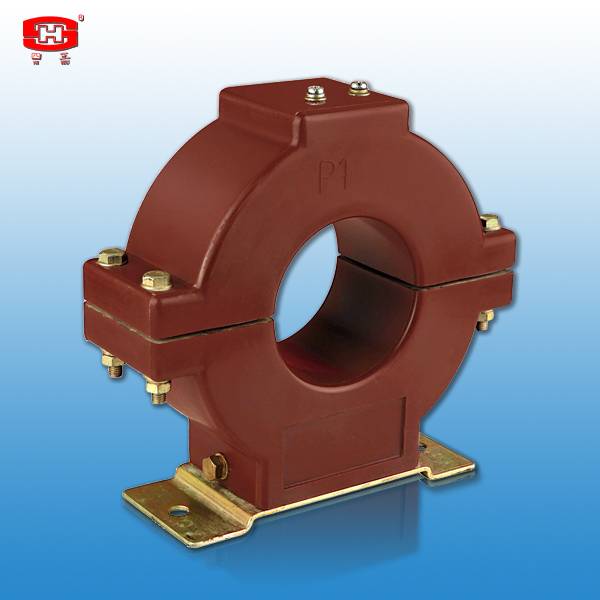
0.66kV Power Supply Instrument Transformer
Guangdong Sihui Instrument Transformer Works Co., Ltd.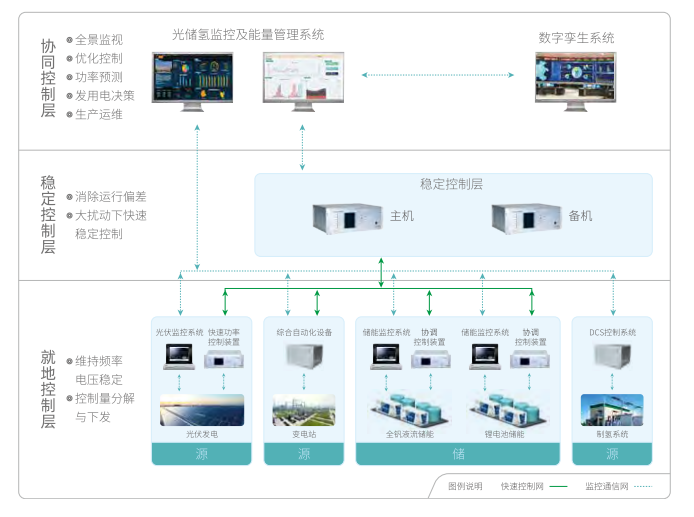
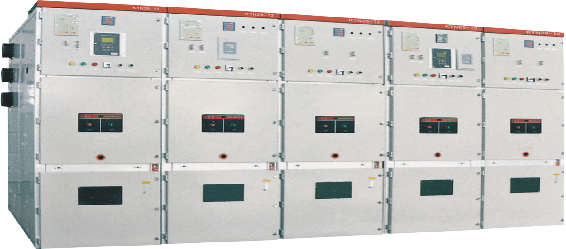
KYN28-12/24 Indoor High-Voltage Metal-Clad Removable Switchgear
Shenzhen Zhaoyang Hui Technology Co., Ltd.
Pneumatic high-pressure wear-resistant ball valve
Zhejiang Deca Control Valve Meter Co., Ltd.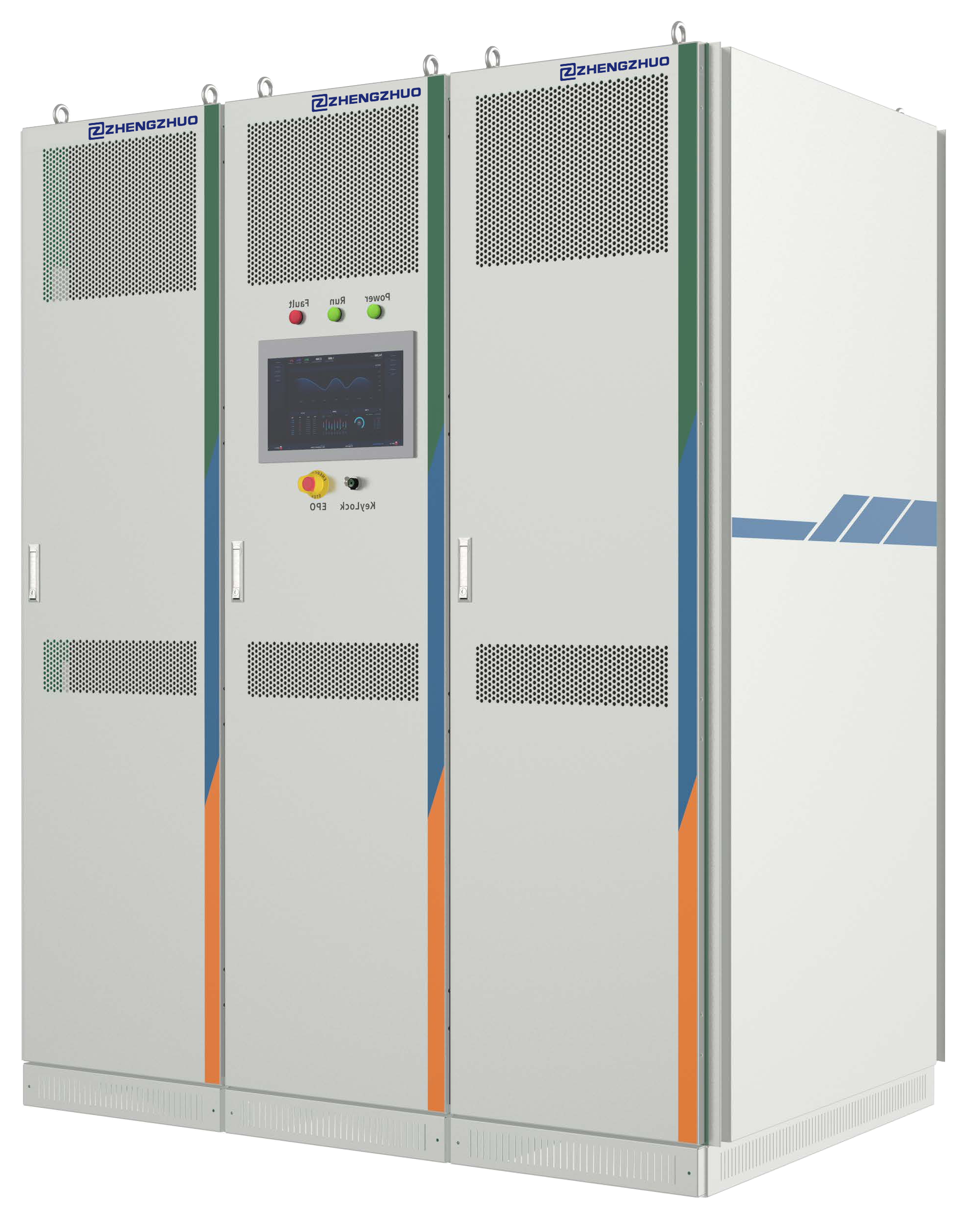
IGBT Hydrogen Production Power Supply - High Power Air Cooling
Beijing Zhengzhuo Engineering Technology Co., Ltd.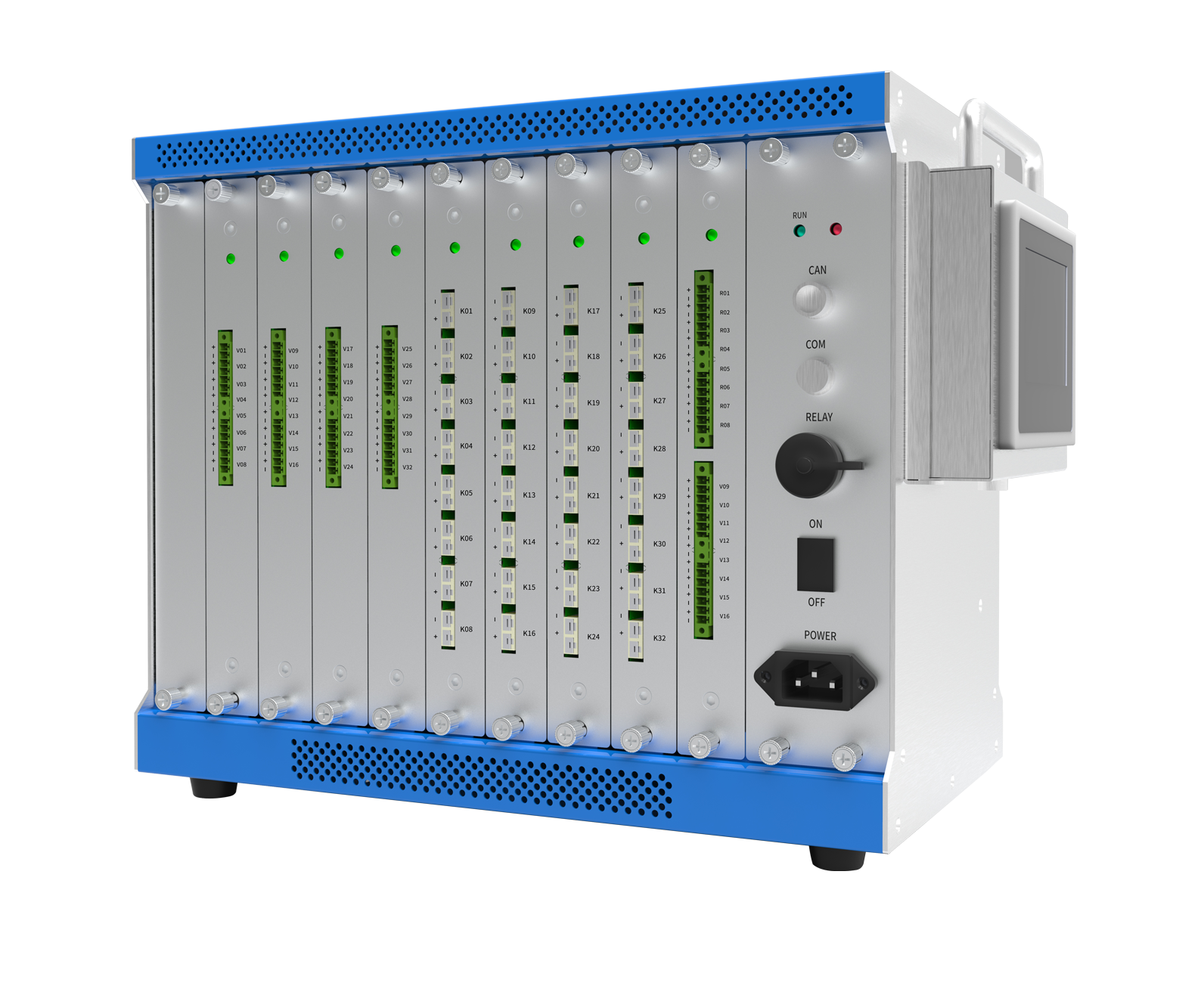
Optional Accessory - Auxiliary Sampling Module
Beijing Soaring Electric Technology Co., Ltd.