Port of Antwerp-Bruges Deploys World's First 500kW AEM Electrolyzer
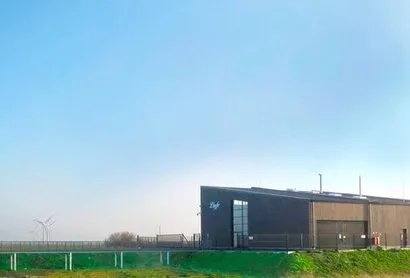
en.Wedoany.com Reported - Power to Hydrogen, a manufacturer of industrial-scale hydrogen electrolyzers, has delivered a 500kW anion exchange membrane (AEM) electrolyzer to the Port of Antwerp-Bruges in Belgium. This marks the world's first industrial-scale deployment of the technology, which utilizes 250kW stack modules.
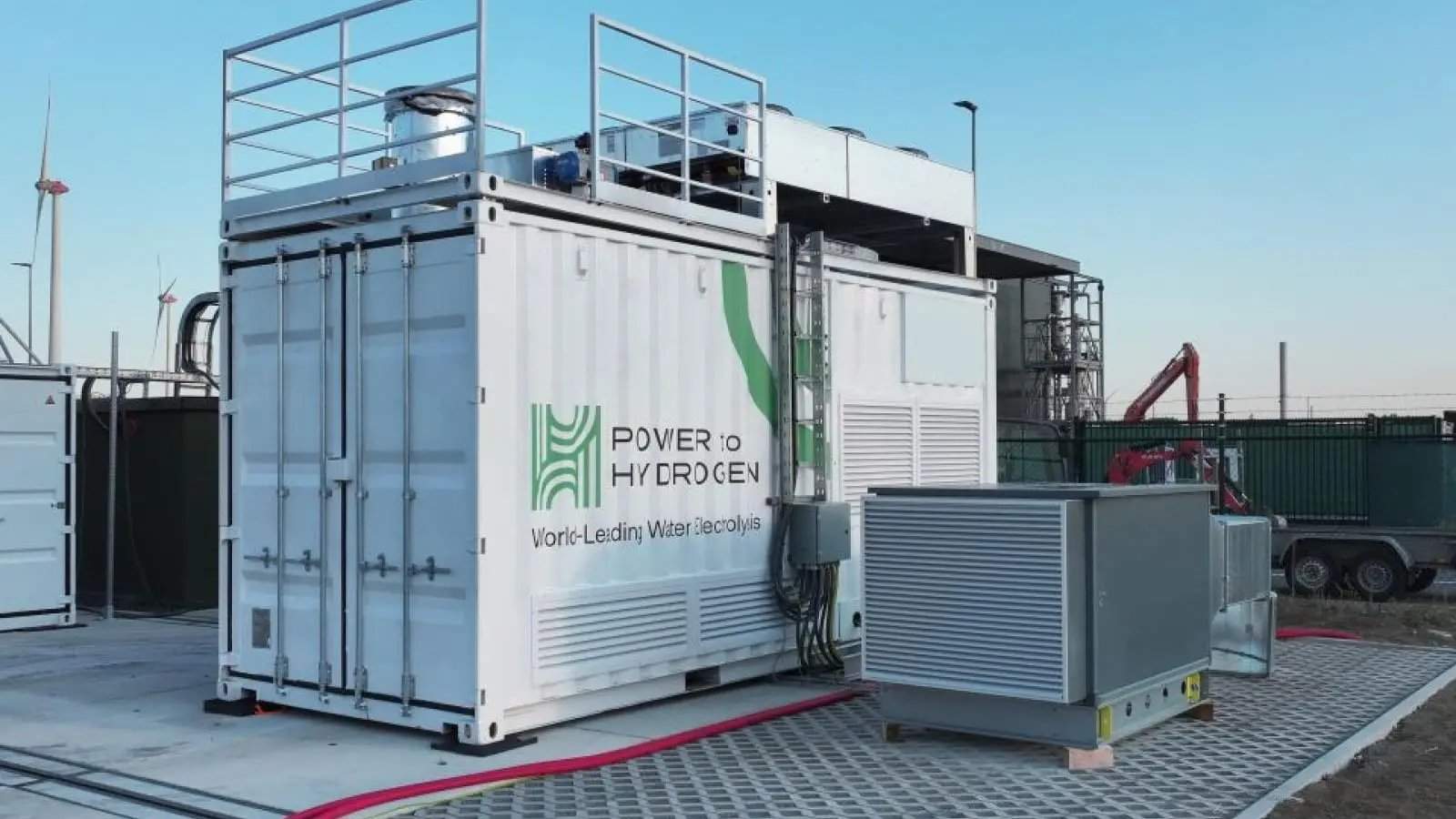
Installation has already commenced, with commissioning expected in September. Once operational, the project will demonstrate renewable hydrogen production under real operating conditions in a high-throughput industrial port environment. This deployment is regarded as a critical step for AEM electrolysis technology relative to the more mature proton exchange membrane (PEM) route, particularly as industry seeks to reduce hydrogen production costs and match variable renewable energy sources.
The project is the first commercial deployment of Power to Hydrogen's M-Class hybrid AEM electrolyzer platform, which is designed to scale up to 25MW based on modular 250kW stacks. A key feature of the system is its rapid response to fluctuations in renewable power, adapting to load changes in less than 50 milliseconds, enabling the hydrogen production process to track variable renewable generation. The electrolyzer also operates under pressurized conditions, reducing downstream hydrogen compression requirements and potentially simplifying broader balance-of-plant requirements.
The technology avoids the reliance on expensive precious metals found in PEM electrolyzers, instead utilizing readily available materials such as steel and nickel. According to Power to Hydrogen's estimates, this approach can reduce capital expenditure by up to 65% compared to comparable PEM systems.
The Port of Antwerp-Bruges project aims to provide a replicable configuration for future deployments, leveraging this real-world demonstration for third-party validation to reduce technical and commercial risks as the industry scales toward larger multi-megawatt projects. Port CEO Rob Smeets stated that the port is "a hub where ambition meets action," and welcoming the commercial-scale AEM electrolyzer represents a concrete step in showcasing the scalable, flexible technologies needed for Europe's energy transition, with such partnerships accelerating the path toward a resilient and robust European future.
Power to Hydrogen CEO Paul Matter noted that renewable hydrogen is moving from pilot projects to infrastructure, and the winners will be companies capable of manufacturing, delivering, and operating at industrial scale. He emphasized that bringing the system to the Port of Antwerp-Bruges is a tangible step toward financeable deployment, proving the company's ability to build and transport industry-grade hardware, integrate it into an operational site, and commission a megawatt-scale AEM platform designed for renewable load-following. The project serves as a blueprint for scaled deployment across Europe, enabling European industry to produce hydrogen feedstock domestically using its own renewable energy rather than relying solely on imports.
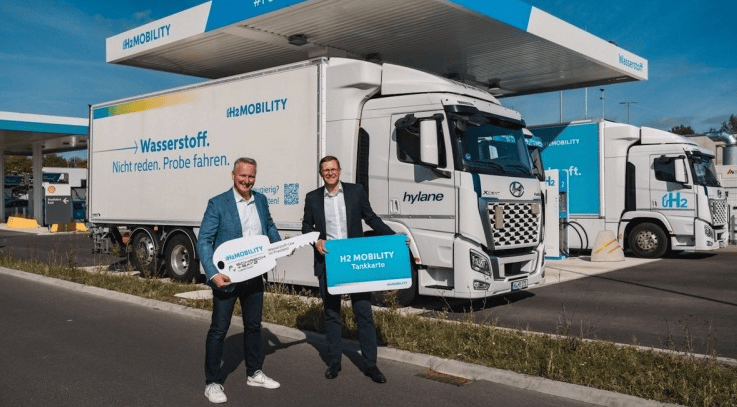
On the supply and demand side, the project will support commercial hydrogen demand for transportation and industrial applications in the region, with commercial revenue expected from the first year of operation. Holthausen, a regional supplier of industrial gases and hydrogen-powered trucking solutions, will serve as the primary offtaker at project launch, with the system designed to accommodate additional customers as demand evolves. Project operators emphasized that on-site electrolysis, beyond decarbonization, enhances industrial resilience and energy sovereignty at both national and regional levels: by converting local renewable electricity and water into hydrogen at the point of use, ports and industrial clusters can produce renewable hydrogen themselves within a diversified supply strategy framework.
Related Products

"Shunyi 1600" Deep-submerging Bottom-sitting Multi-functional Wind Power Engineering Vessel
Zhengli Offshore Engineering Co., Ltd.

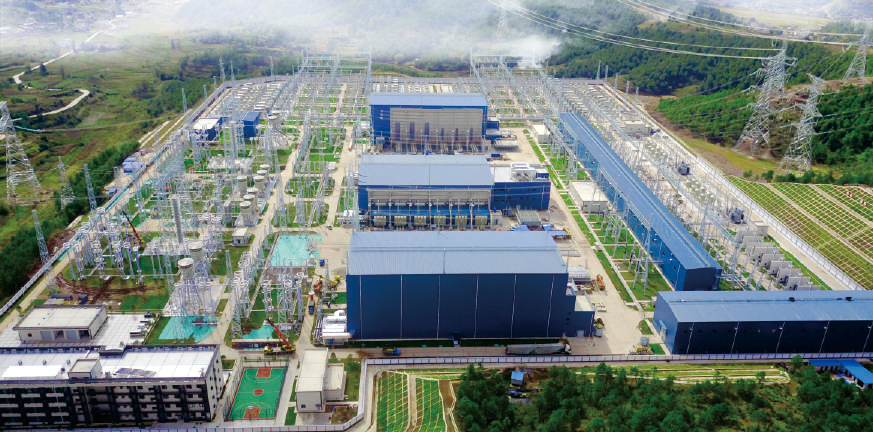
High-voltage Direct Current (HVDC) Transmission System Research and Integrated Design
XI'AN XD POWER SYSTEMS CO., LTD.
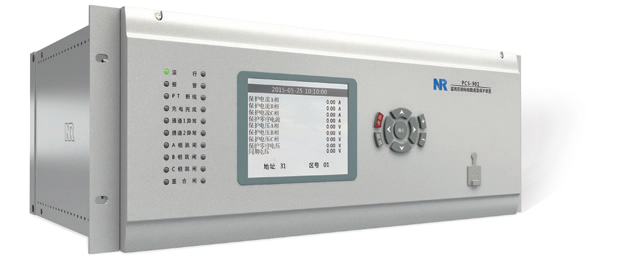
PCS-901 Series Ultra (Extra) High-voltage Transmission Line Complete Protection Device
Nanjing NR Electric Co., Ltd.
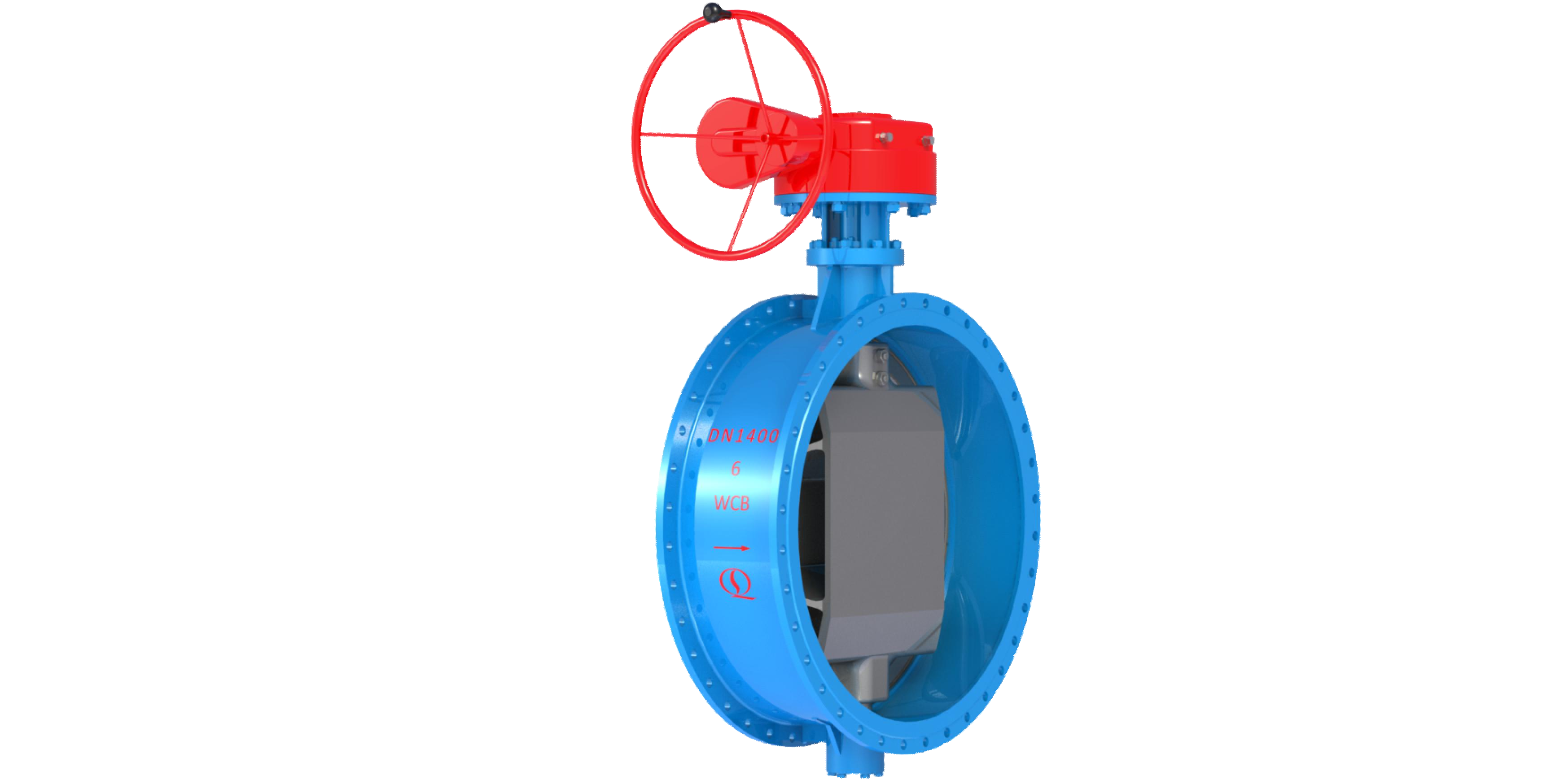
Bidirectional Metal Hard Sealed Seawater Butterfly Valve
Henan Quanshun Flow Control Science & Technology Co., Ltd.
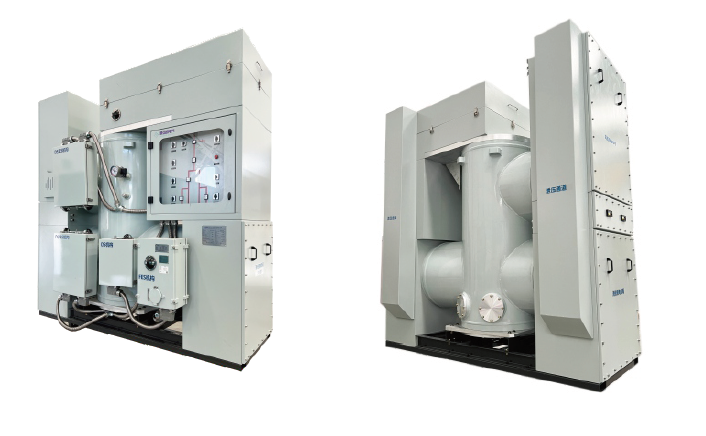
72.5kV 1250A 31.5kA SF6 free Gas-insulated Metal-enclosed Switchgear
Zhejiang Juhonkia Intelligent Electric Co., Ltd.