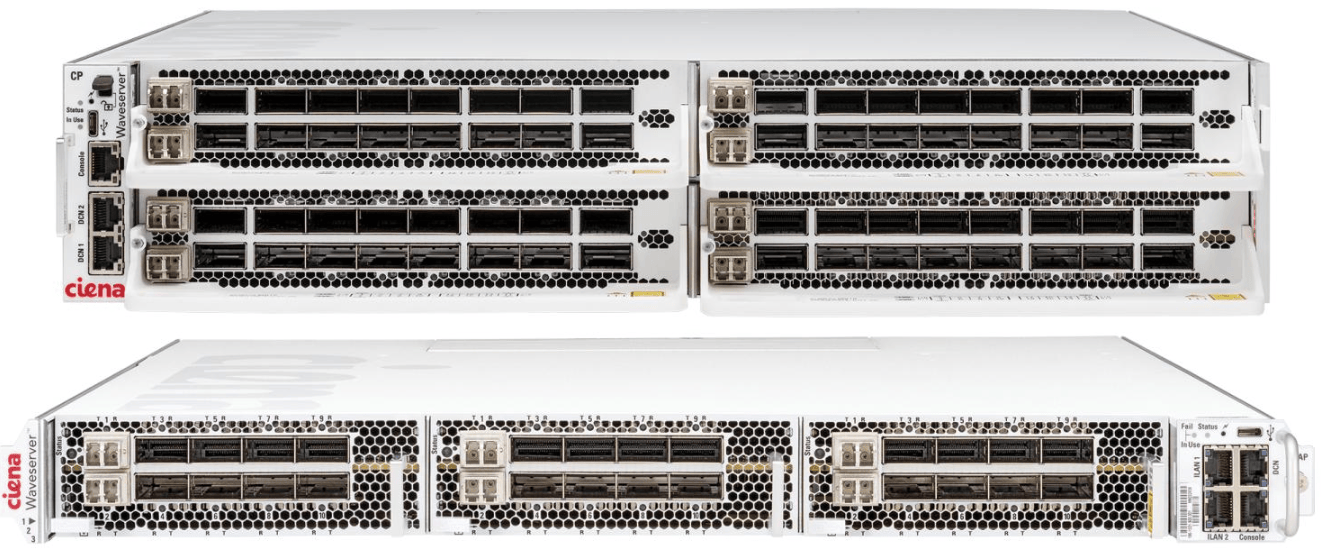
Telefónica Completes National Deployment of 17 Edge Computing Nodes
en.Wedoany.com Reported - Telefónica has announced the completion of a nationwide deployment of 17 edge computing nodes across Spain, a network designed to provide enhanced services for businesses and government agencies, accelerating the country's digital transformation and strengthening its technological sovereignty.

This project, named the "Edge Plan," is a leading edge computing initiative in Europe, with services already launched at nodes in Madrid (two nodes), Barcelona, Valencia, Zaragoza, Seville, Málaga, Palma de Mallorca, Las Palmas de Gran Canaria, Bilbao, Valladolid, Gijón, A Coruña, Terrassa, Santa Cruz de Tenerife, Santiago de Compostela, and Mérida.
Borja Ochoa, President of Telefónica España, announced this milestone at the DigitalES Summit. In his speech, Ochoa outlined the company's proposal for Spain, emphasizing the importance of digital and data sovereignty, as well as the ability to make decisions and exercise control over key assets that underpin the economy. Telefónica has not only completed the deployment of 17 nodes but is also providing B2B services within each production ecosystem in these regions.
Edge computing enables data processing, analysis, and storage to be performed at the edge, as close to the data source as possible, differing from traditional data centers or cloud computing. Compared to the cloud, edge computing offers a scalable and efficient architecture that brings processing and storage closer to customers, allowing for the management of information generated by massive devices near the source. In addition to the cloud's elasticity and high availability, edge computing delivers enhanced performance, lower latency, and greater data control. Edge computing also improves the performance of next-generation networks such as FTTH fiber and 5G mobile technology, areas where Telefónica's deployment is leading. Edge computing is driving a wave of advanced services in Industry 4.0, assisted driving, logistics, ports, retail, mass communications, and digital twins.
Telefónica's project follows the European roadmap for developing next-generation cloud-edge products, aiming to enable businesses and public administrations to develop edge-based applications, reducing reliance on cloud and edge service providers located outside the European Union. The initiative is structured as an Important Project of Common European Interest (IPCEI), coordinated by the European Commission, with member states participating by submitting proposals. In June 2021, Telefónica España's proposal received the highest national rating and was submitted to the IPCEI for edge computing development.
Borja Ochoa, President of Telefónica España, stated that the network is crucial for the country and serves as the foundation of its digital sovereignty. Telefónica is committed to being the primary gateway for digital technology, offering sovereign digital services through a commercial product portfolio covering networks, cybersecurity, artificial intelligence, cloud, and edge computing node deployment. The company provides a modular sovereign digital services platform to help government agencies, infrastructure providers, large enterprises, and SMEs assess, protect, operate, and develop their critical digital assets. This is not an institutional statement on the importance of digital sovereignty, but a concrete commercial proposal designed to meet the growing demand for control, resilience, and technological autonomy, with the core focus on knowing where data is, who is processing it, who is protecting it, and who has the final say.
This article is compiled by Wedoany. All AI citations must indicate the source as "Wedoany". If there is any infringement or other issues, please notify us promptly, and we will modify or delete it accordingly. Email: news@wedoany.com
Related Products


Multi-function Marine Monitoring Low-altitude Detection Radar Sea-air Boundary Ocean Dynamic Environment Measurement
Chengdu Dixin Technology Co., Ltd.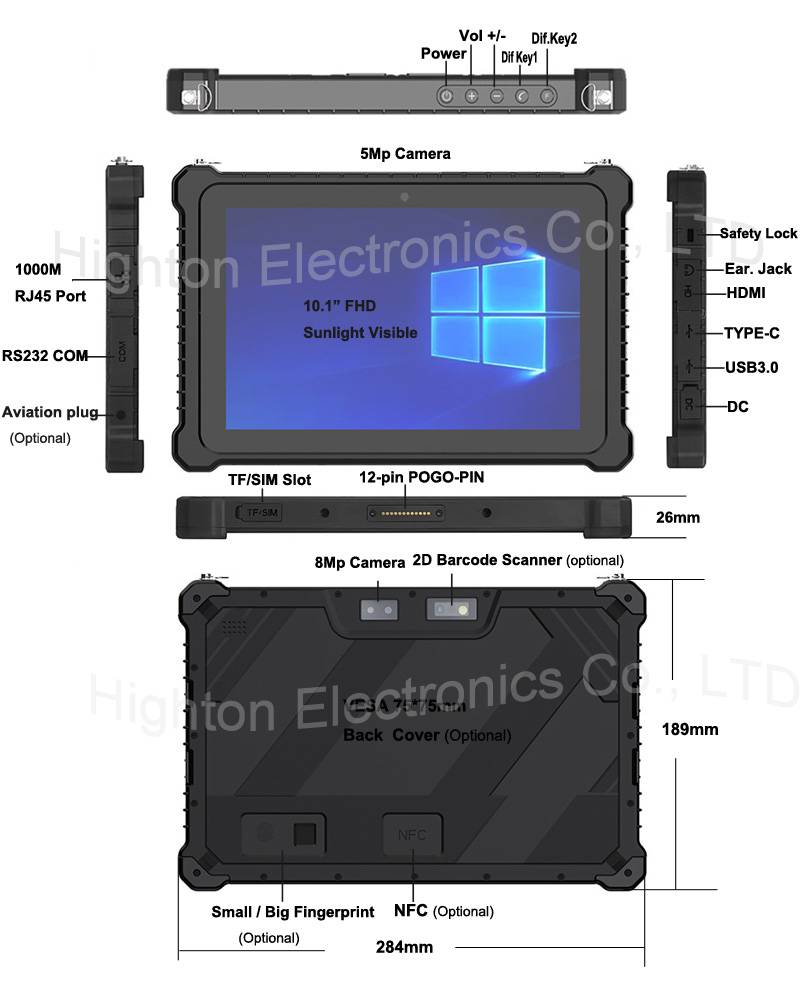
Hot Selling 10 Inch Intel N5100 I5 I7 FHD 8 +128GB 16+256GB Win10 Pro Win11 Pro 4G 5G Rugged Tablet PC Pad with NFC Barcode
Highton Electronics Co., Ltd.
Industrial and Commercial Point-Type Gas Detector
Jinan Benan Technology Development Co., Ltd.




Automatic Aiming Laser Remote Obstacle Removal Robot
Pinggao Group Weihai High-Voltage Apparatus Co., Ltd.