The Future of Petrochemical Fittings: Standardization, Digital Traceability, and Low-Leak Design
en.Wedoany.com Reported - Petrochemical fittings are evolving from conventional catalog components into identifiable assets within engineering, construction, and mechanical integrity systems. As plants become larger, feedstocks become more diverse, and maintenance intervals become longer, competition among suppliers is shifting from production volume alone toward engineering compatibility, repeatable quality, and traceable documentation.
The first major trend for Petrochemical Pipeline Fittings is deeper standardization. International standards already establish common requirements for dimensions, tolerances, pressure-temperature ratings, testing, and marking. The next stage is likely to involve more structured digital data for material certificates, product identification, inspection records, and three-dimensional engineering models.
Manufacturing digitalization is another important direction. Automated forming, numerical-control bevel machining, robotic welding, three-dimensional measurement, and in-line dimensional inspection can improve consistency across large production batches. For large-diameter, heavy-wall, or high-alloy fittings, digital process records can also preserve forming temperatures, heat-treatment curves, and critical examination results.
This changes the quality model from final inspection toward process evidence. Instead of proving only that a finished component passed selected checks, manufacturers will increasingly be expected to demonstrate how the component was produced, examined, marked, and released at every significant stage.
Low-leak design is also gaining importance. Petrochemical operators continue to focus on fugitive emissions, combustible-fluid containment, and flange management. Fittings alone cannot eliminate leakage, but connection design plays a central role. Reducing unnecessary flanged joints, improving gasket and facing compatibility, controlling bolt preload, and maintaining welding quality can reduce potential leak paths.
New process media will create additional material challenges. Integrated refining and chemical complexes, lower-carbon fuels, hydrogen-containing streams, carbon dioxide transport, bio-based feedstocks, and complex recycling services may introduce corrosion or compatibility conditions that differ from conventional refinery experience. Material, welding, and sealing solutions will require service-specific validation rather than automatic reuse of legacy specifications.
Risk-based maintenance will further increase the importance of component-level data. API 570 addresses the inspection, rating, repair, and alteration of in-service metallic piping systems. In future integrity programs, thickness readings, examination results, operating temperature, process changes, and repair history can be linked to individual elbows, tees, reducers, injection points, and dead legs.
Global procurement is also placing greater emphasis on documentation capability. Suppliers that can provide structured material records, verified manufacturing data, clear standard cross-references, and responsive engineering support will be better positioned for major international projects.
The petrochemical fitting of the future will not be treated merely as a standard item stored in a warehouse. It will become a traceable asset within the digital plant. Manufacturers that combine materials knowledge, standards compliance, process control, and reliable data delivery will have the strongest long-term position.
This article is compiled by Wedoany. All AI citations must indicate the source as "Wedoany". If there is any infringement or other issues, please notify us promptly, and we will modify or delete it accordingly. Email: news@wedoany.com
Related Products
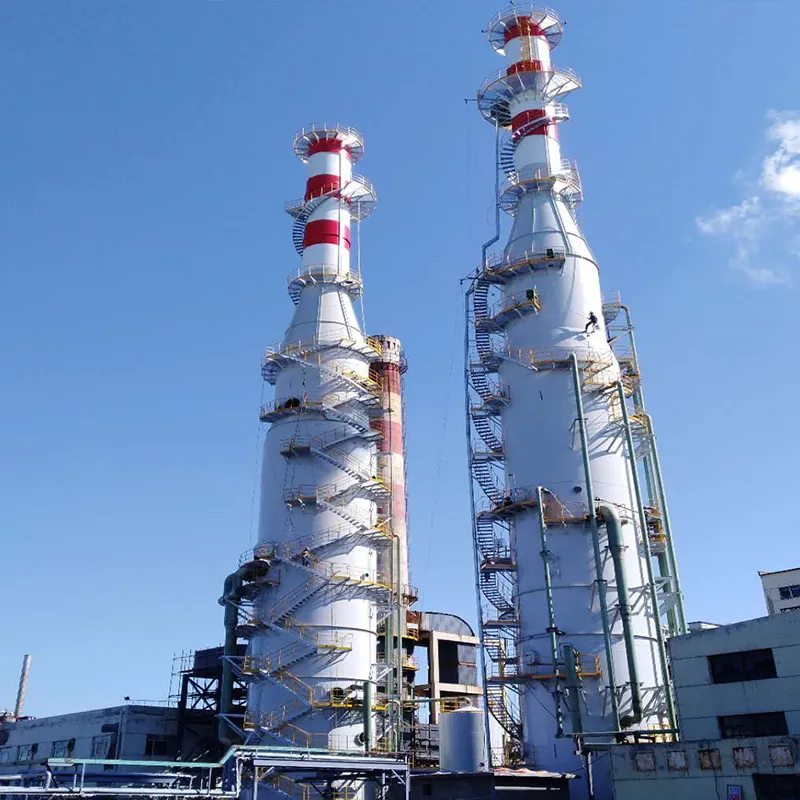

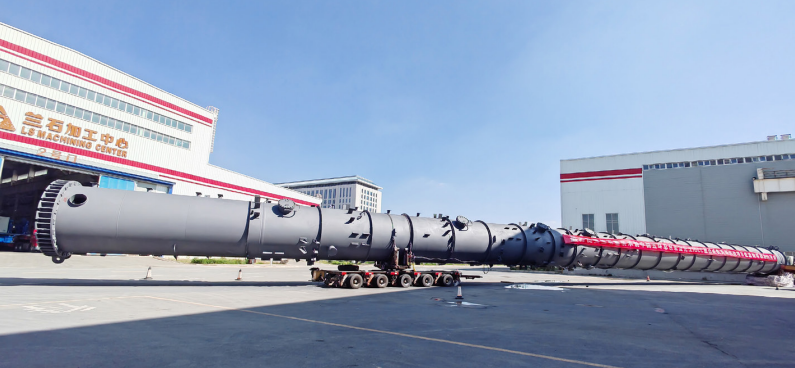
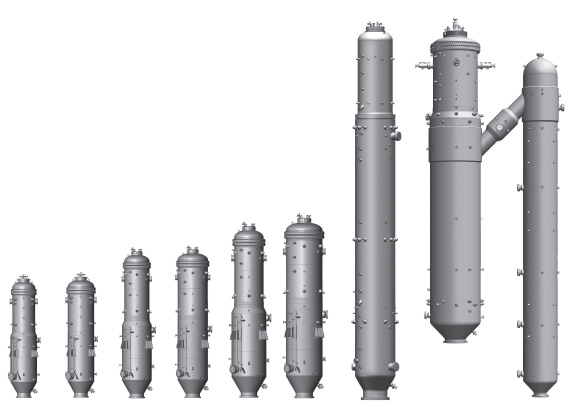
Gasification Furnace Series: Freely Combinable Aerospace Furnace
CHANGZHENG ENGLINEERING CO., LTD.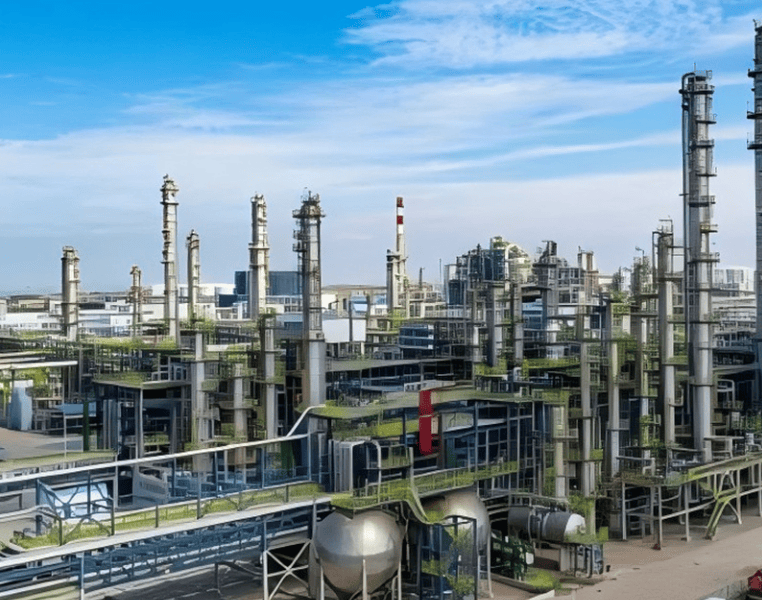
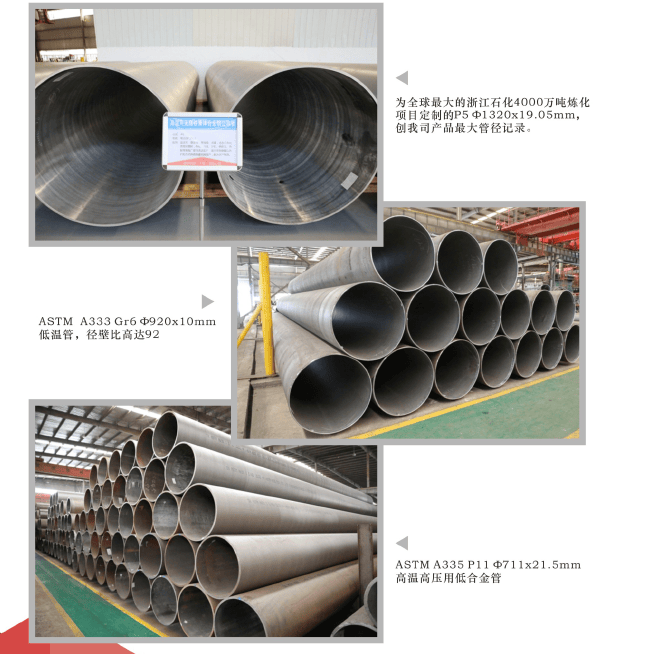
Steel Pipes for Refining and Coal Chemical Industries
YANGZHOU LONTRIN ENERGY EQUIPMENT CO.,LTD.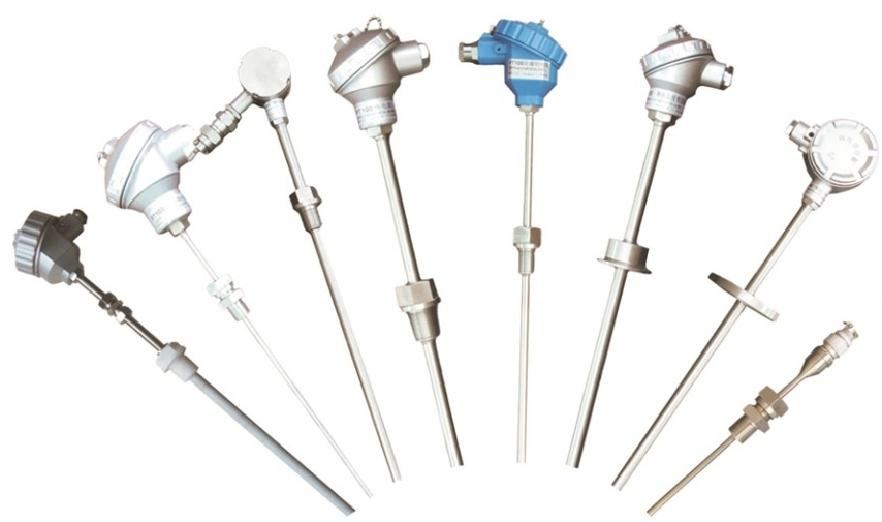

Bi-directional Metal Hard Seal Ball Valve
Henan Quanshun Flow Control Science & Technology Co., Ltd.