SW and China's Chery Reach $200 Million Deal to Enter India's EV Market
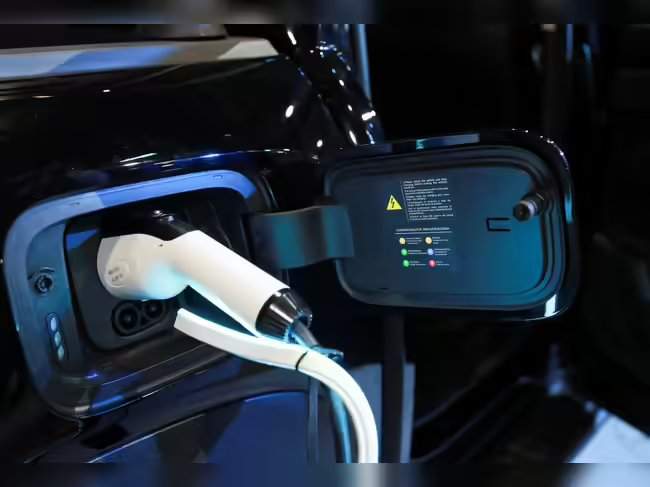
en.Wedoany.com Reported - Although Chinese automakers cannot directly invest in the Indian market, their electric vehicle technology is entering the world's third-largest automotive market through technology licensing agreements and other means.
Since the border conflict in 2020, India has tightened investment reviews of Chinese companies, effectively barring Chinese automakers from entry. Meanwhile, Beijing has also tightened controls on technology exports. However, technological cooperation between the two countries' automotive manufacturing sectors has not been severed.
Tata Motors announced in early June that it will use Chery's vehicle platform to produce high-end electric vehicles in India. The deal does not involve equity transfer, and both parties emphasize that it is merely a supply arrangement, with no transfer of technical know-how to Tata, in order to reduce political sensitivity.
Santosh Pai, a partner at law firm Dentons Link Legal, noted that if India wants to expand its manufacturing sector and capture a larger share of the global supply chain, cooperation with China is inevitable. For Chinese companies, ignoring India and its economic potential would prevent them from becoming global leaders.
For Tata Motors, India's third-largest automaker, Chery's platform offers a faster route to market for EVs. Tata plans to gradually shift from relying on imported kits from China to locally developing components. This strategy is welcomed by some Indian policymakers, who believe it will help boost Indian manufacturing. A senior Indian government official stated that supporting deals that could lead to more local manufacturing or supply chain transfers in the future is a good way to deal with China.
For Chinese automakers, amid slowing domestic market growth and overcapacity, such deals can increase revenue without violating Beijing's export control orders.
The world's most advanced electric vehicle industry is entering the Indian market through non-equity methods. In a sector long dominated by Japanese, Korean, and European companies, Sino-Indian technology cooperation is increasing, with models including supply agreements, platform licensing, and joint ventures. For example, Indian auto parts manufacturer Uno Minda has formed a joint venture with China's Inovance to produce EV powertrains in India.
However, such cooperation has not been without challenges. In 2025, export controls imposed by Beijing in retaliation for U.S. tariffs forced Indian battery maker Amara Raja to terminate a licensing agreement with Chinese battery company Gotion for lithium-ion cell technology. Vikramadithya Gourineni, executive director of Amara Raja, stated that all technology cooperation has ceased, and the company has shifted to increasing internal R&D and talent investment, while importing equipment and cells from Chinese suppliers. However, visa issues for engineers continue to pose operational obstacles.
Another significant cooperation occurred last year when JSW Motor, owned by steel and cement billionaire Sajjan Jindal, reached an agreement with Chery for the right to use and adapt multiple Chery platforms. Sources familiar with the matter revealed that the agreement includes an upfront payment of approximately 20 billion Indian rupees (about $209 million) plus royalties. JSW has invested $3 billion in the project, aiming to sell 300,000 vehicles by 2030. Initial vehicles will primarily come from Chery's imported kits, with JSW gradually building an Indian supply chain and expanding production at its plant in western India.
Gao Hua, a former director of the China Society of Automotive Engineers (China SAE) and now an independent analyst, believes that Chinese EV manufacturers are well aware of the importance of establishing a foothold in India through supply agreements. If they do not participate, companies from other countries will step in. He emphasized that cutting ties is not always the best option, and a nuanced strategy is more important.
This article is compiled by Wedoany. All AI citations must indicate the source as "Wedoany". If there is any infringement or other issues, please notify us promptly, and we will modify or delete it accordingly. Email: news@wedoany.com
Related Products


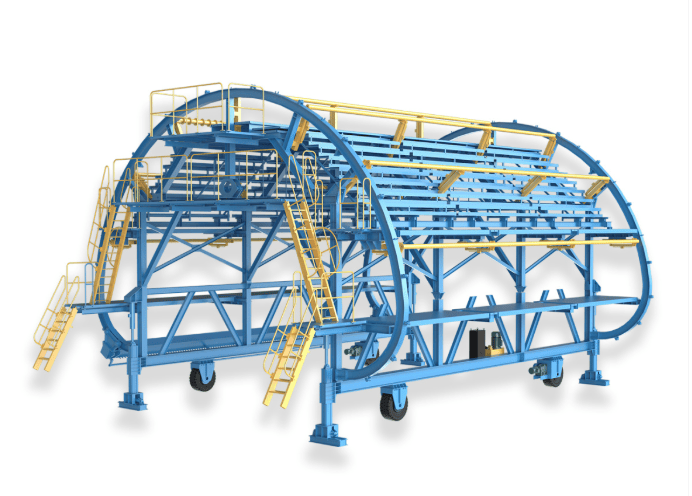
QLZNGJ Intelligent Steel Reinforcement Trolley
Luoyang China Railway Qiangli Machinery Co., Ltd.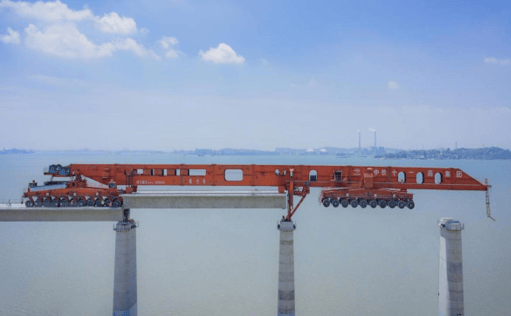
High-Speed Railway Lifting, Transporting, and Erecting Equipment: Integrated Transport and Erection Machine
Hanjiang Heavy Industry Co., Ltd. of China Railway 11th Bureau Group

Pneumatic high-pressure wear-resistant ball valve
Zhejiang Deca Control Valve Meter Co., Ltd.