Cavotec to Install India's First Automated Mooring System, Operational by End of 2027
en.Wedoany.com Reported - Swedish engineering group Cavotec has been selected to install India's first automated mooring system (AMS) at Gateway Terminals India (GTI), a major container terminal located at Jawaharlal Nehru Port Authority (JNPA) in Navi Mumbai.
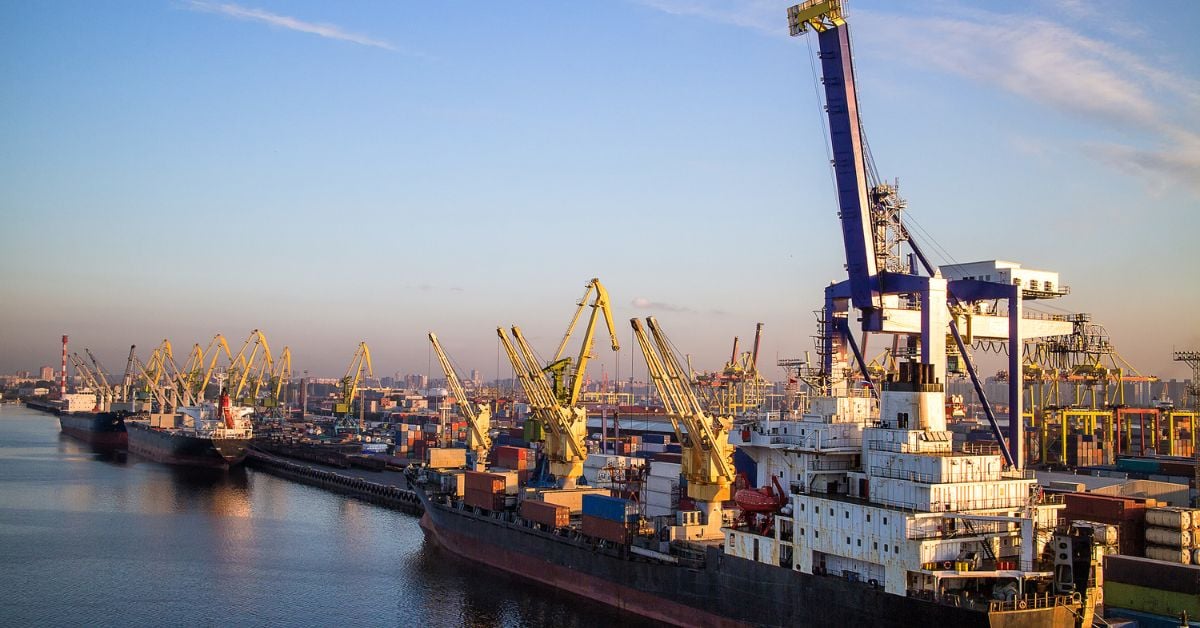
This pilot project, initiated by the port authority, utilizes Cavotec's "MoorMaster" technology, replacing traditional heavy mooring ropes with automatic vacuum pads. Port officials stated that with the push of a button, the automated system can moor and release large vessels within seconds, representing a significant upgrade over conventional berthing procedures while enhancing worker safety and operational efficiency.
Once the system is operational, dockworkers will no longer need to handle high-risk mooring rope operations, thereby reducing workplace safety hazards. The automated process also shortens vessel turnaround times, enabling ships to berth and depart more quickly. This upgrade is particularly urgent for Gateway Terminals India, which operates a 712-meter-long berth.
The new automated mooring system reduces the safe spacing between berthed vessels from 25 meters to 15 meters, allowing the terminal to simultaneously accommodate ultra-large vessels of 368 meters in length alongside conventional 300-meter vessels. The terminal handles a substantial volume of cargo within its limited space, processing approximately 2.18 million twenty-foot equivalent units (TEUs) annually, with a target of 3 million TEUs. As the terminal's quay line can no longer be expanded, GTI—jointly owned by APM Terminals and Container Corporation of India (CONCOR)—is seeking alternative ways to improve operational efficiency.
The automated system is expected to save at least one hour per vessel during the berthing and unberthing process. With the port receiving over 500 vessels annually, this translates to approximately 500 hours of recovered operational time per year, equivalent to an additional 21 working days.
The system also features automatic surge control and remote fine-tuning capabilities, allowing operators to adjust vessel positioning by up to 6 meters along the quay without the need for tugboats, making the mooring process simpler and smoother. Additionally, by minimizing engine idling and eliminating tugboat assistance, the system can reduce harmful emissions during berthing by 90%.
According to sources, the system is scheduled to become operational by the end of 2027, initially undergoing testing at one berth before being expanded to a second berth.
Related Products

ZY(J)7(M) Sealed Type Electro-Hydraulic Turnout Machine
TAIYUAN CR JINGFENG EQUIPMENT TECHNOLOGY CO., LTD.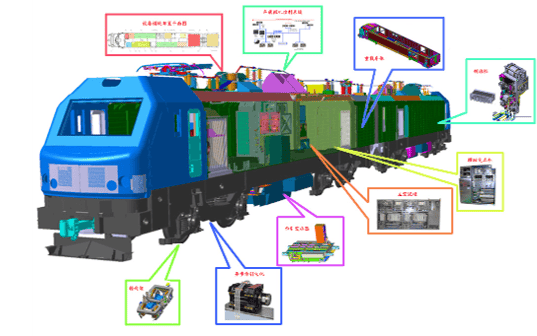
![IVECO Cash-in-Transit [DMT5048XYCL3-AM] - Chongqing Dima Industry Co., Ltd](https://img.wedoany.com/2026/0911/20260911030157582.png)
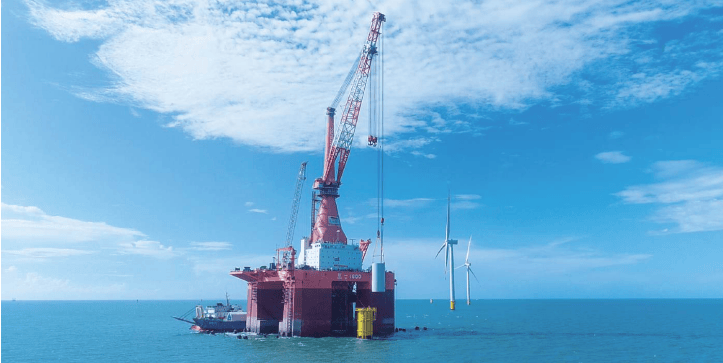
"Shunyi 1600" Deep-submerging Bottom-sitting Multi-functional Wind Power Engineering Vessel
Zhengli Offshore Engineering Co., Ltd.
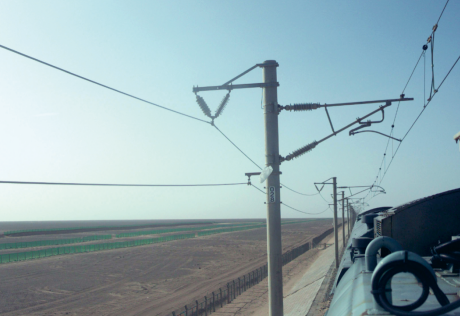
Pantograph-Catenary Comprehensive Detection Device (1C)
CHENGDU TANGYUAN ELECTRIC CO., LTD.