Safety of Special Purpose Engineering Vehicles Depends on Stability Control and Worker Separation
en.Wedoany.com Reported - Special Purpose Engineering Vehicles often operate on crowded sites containing workers, equipment and construction materials. They may perform lifting, elevating, pumping, reversing, rotating and high-level work. Their large size, limited visibility and changing operating envelope create collision, overturning, crushing and fall hazards if equipment and site activities are not managed properly.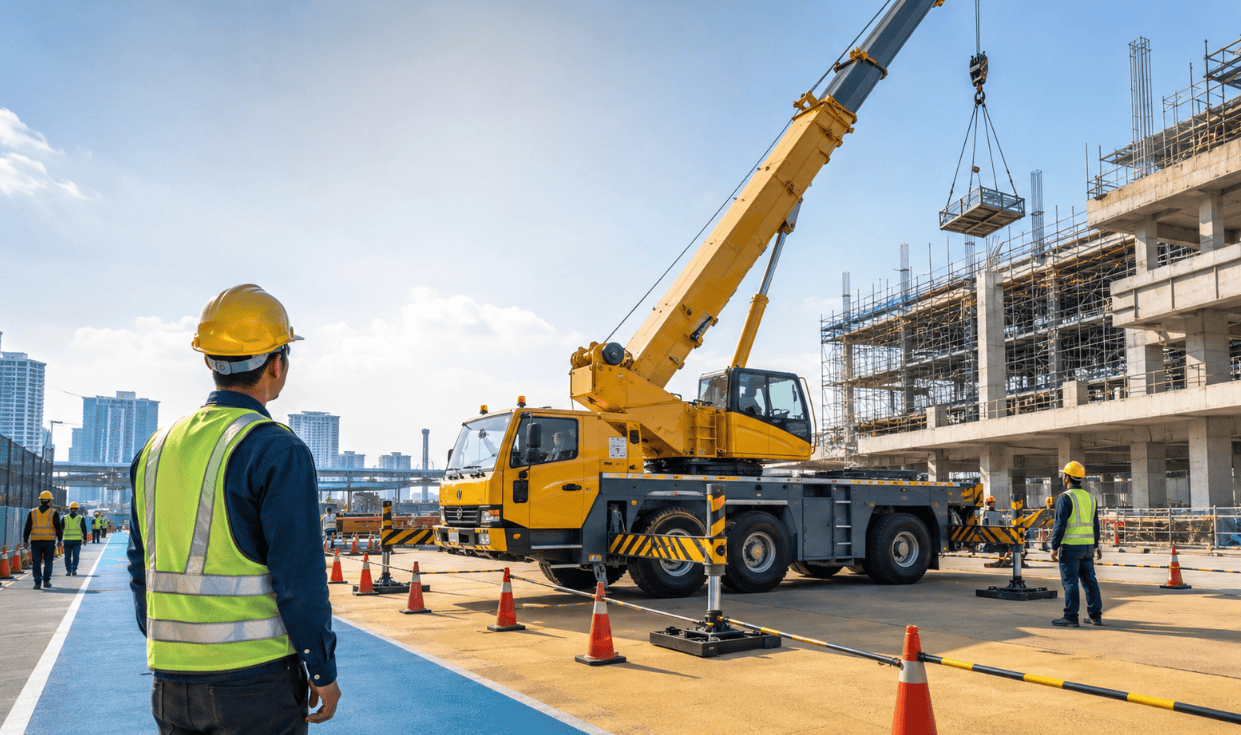
Stability is one of the first safety considerations. When a boom, platform or concrete placing arm is extended, the machine center of gravity changes. Incomplete outrigger deployment, weak ground, vehicle inclination or excessive loading may cause the vehicle to lose stability.
Ground-bearing capacity should be checked before work begins. Outriggers should not be placed directly on soft soil, trench edges, underground services or suspected voids. Outrigger mats may be required to distribute the load, while level sensors should confirm the vehicle position.
Load control must follow the equipment load chart. Load weight, working radius, boom length, wind and vehicle position influence permitted capacity. The maximum rated capacity cannot be applied to every working configuration.
Worker and vehicle interaction is another major risk. Construction vehicles have large blind areas and may reverse or rotate frequently. Sites should separate vehicle routes, pedestrian routes and equipment swing zones wherever practical.
Vehicles with limited visibility should use trained spotters together with cameras, radar, audible warnings, lighting and proximity-detection equipment. Clear communication procedures are especially important during reversing and multi-person operations.
Safety interlocks should coordinate the chassis and work equipment. A boom may be prevented from extending until outriggers are correctly positioned. Platform movement may be restricted outside the safe envelope, while key mounted functions should remain disabled until the vehicle is securely parked.
Aerial work vehicles require platform guarding, fall protection and emergency lowering systems. Overloading the platform, climbing on guardrails or moving the vehicle with the work structure extended may create serious hazards. Personnel should understand both platform and ground emergency controls.
Hydraulic failure can cause uncontrolled movement or sudden lowering of the work equipment. Critical cylinders may require counterbalance valves, hydraulic locks or other load-holding devices. Hoses and fittings should be inspected for wear, leakage and aging.
Wind affects lifting and elevated work. Large booms, platforms and concrete placing structures create substantial wind area. Work should stop when conditions exceed equipment limits, and elevated wind should not be judged only from conditions at ground level.
Inspection should cover brakes, steering, tires, outriggers, wire ropes, hooks, hydraulic equipment, sensors and safety devices. A vehicle should not continue operating when alarms are bypassed, limit systems have failed or structural cracking is found.
Each vehicle and task should receive a job-specific risk assessment. Routes, ground conditions, obstacles, worker locations and emergency access should be reviewed whenever the machine enters a new site.
Safe operation does not depend only on individual operator experience. Equipment design, site separation, load management, safety interlocks and team coordination must work together to control vehicle-related construction risks.
This article is compiled by Wedoany. All AI citations must indicate the source as "Wedoany". If there is any infringement or other issues, please notify us promptly, and we will modify or delete it accordingly. Email: news@wedoany.com
Related Products
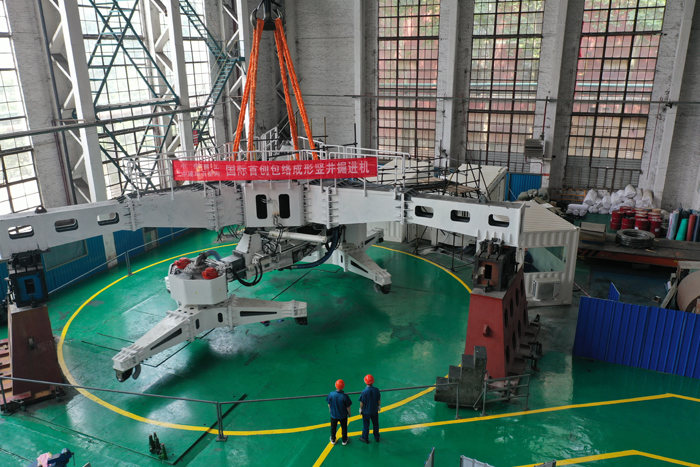

CITIC Heavy Industries Tunneling Equipment Tunnel Engineering Shield Machine
CITIC Heavy Industries Co., Ltd.
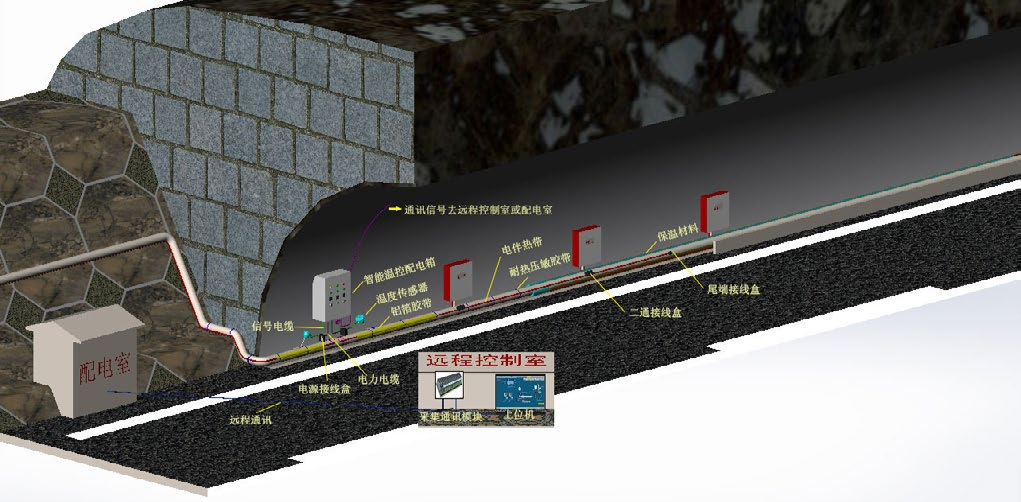
Tunnel fire protection electric heat tracing system
Shandong Huaning Electric Tracing Technology Co.,Ltd.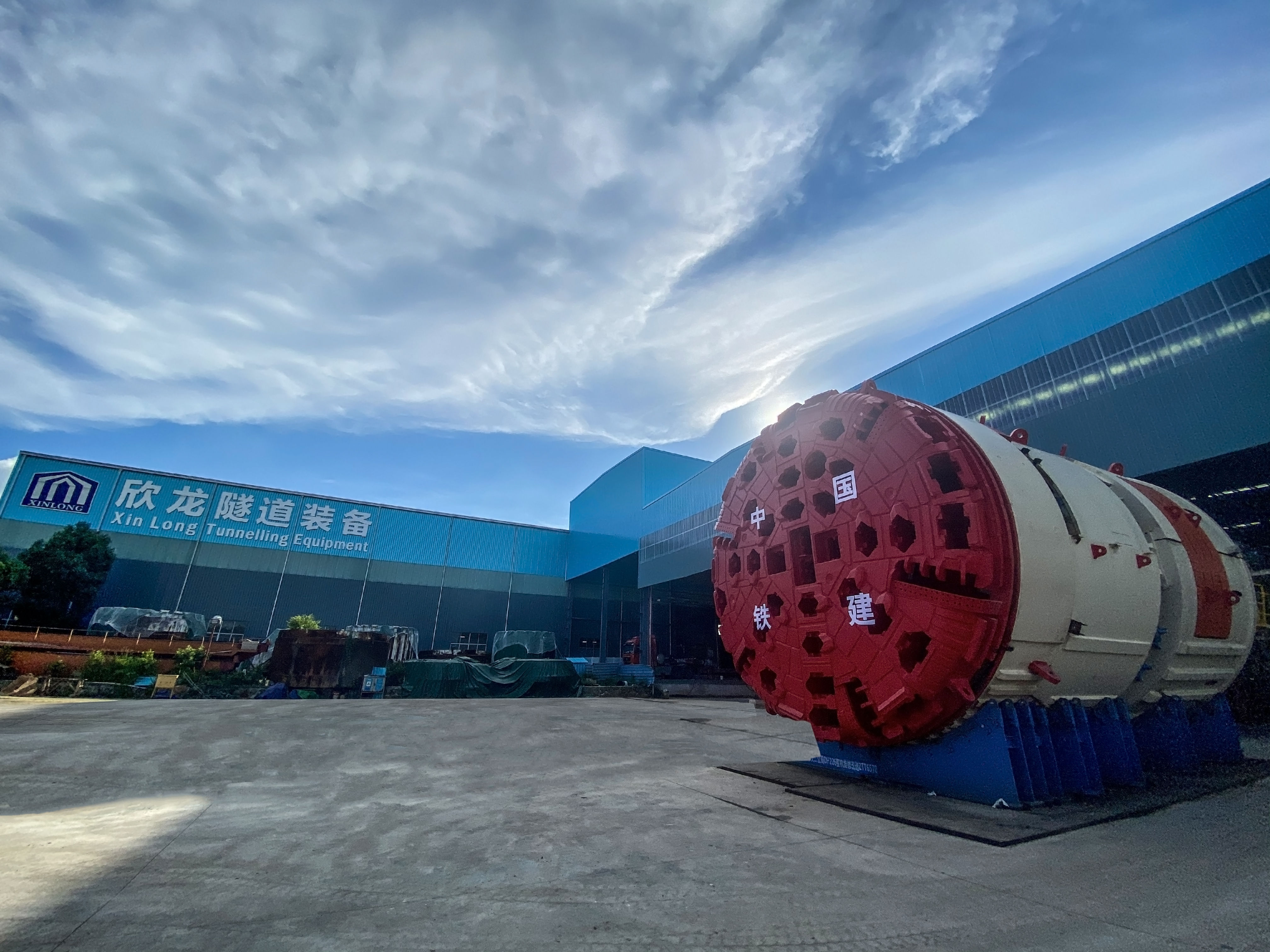
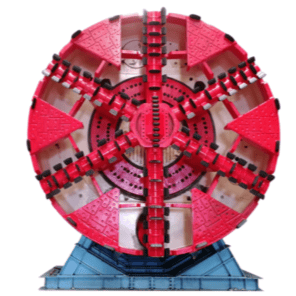
Dual-Mode / Multi-Mode Tunnel Boring Machine
CCCC Tianhe Mechanical Equipment Manufacturing Co., Ltd.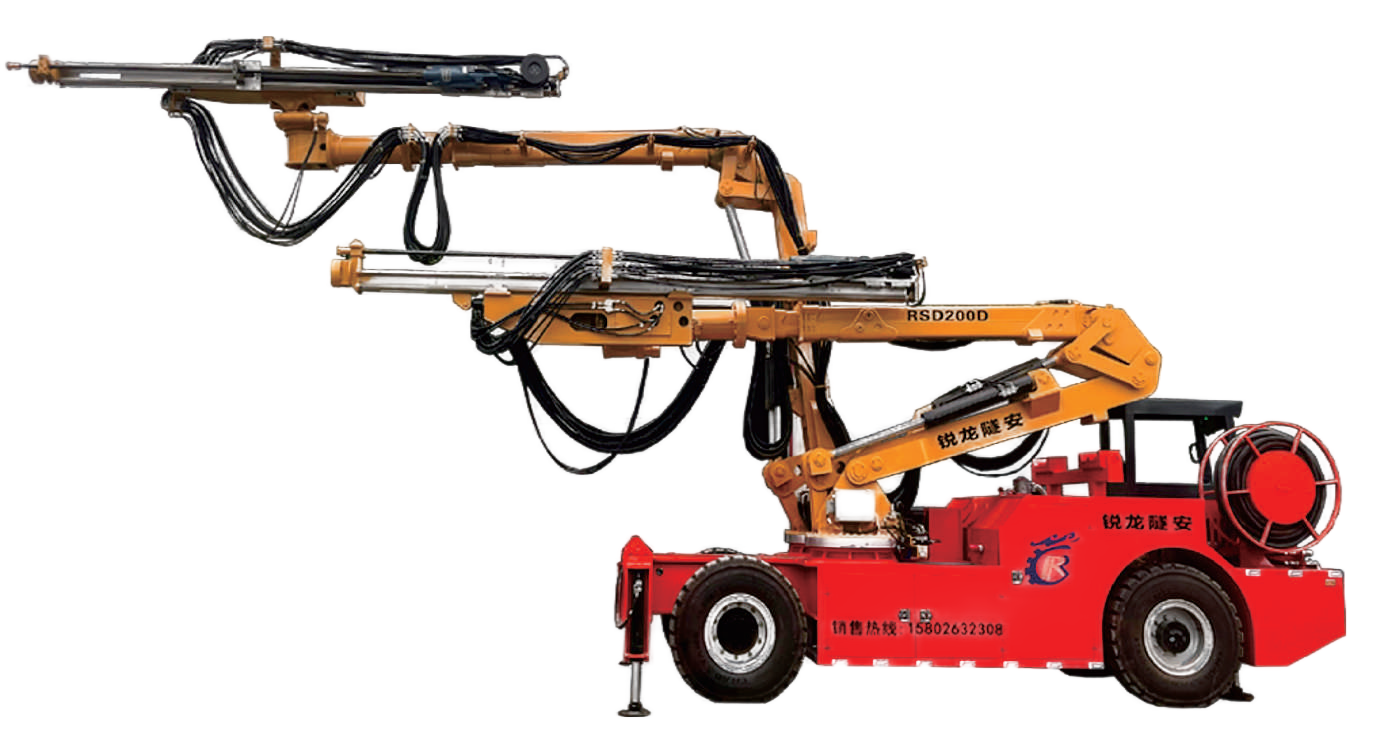
Dual-curved Arm Rock Drilling Trolley RSD200D
Chengdu Ruilong Machinery Manufacturing Co., Ltd.