Spain's Eosol and Compoxi Pass Factory Acceptance Test for SKA Sub-reflectors
en.Wedoany.com Reported - Last May, the sub-reflectors for the South African SKA-Mid radio telescope passed the Factory Acceptance Inspection (FAI), a milestone jointly achieved by Spanish companies Eosol and Compoxi, marking the project's transition from the design and planning phase to full-scale production.
The factory acceptance test not only validated the sub-reflector product itself but also the associated production processes. Over the past few months, Eosol and Compoxi have worked closely with the SKA Observatory to ensure that the products meet stringent technical requirements and that the production process is robust enough to complete the mass production of all 44 units.
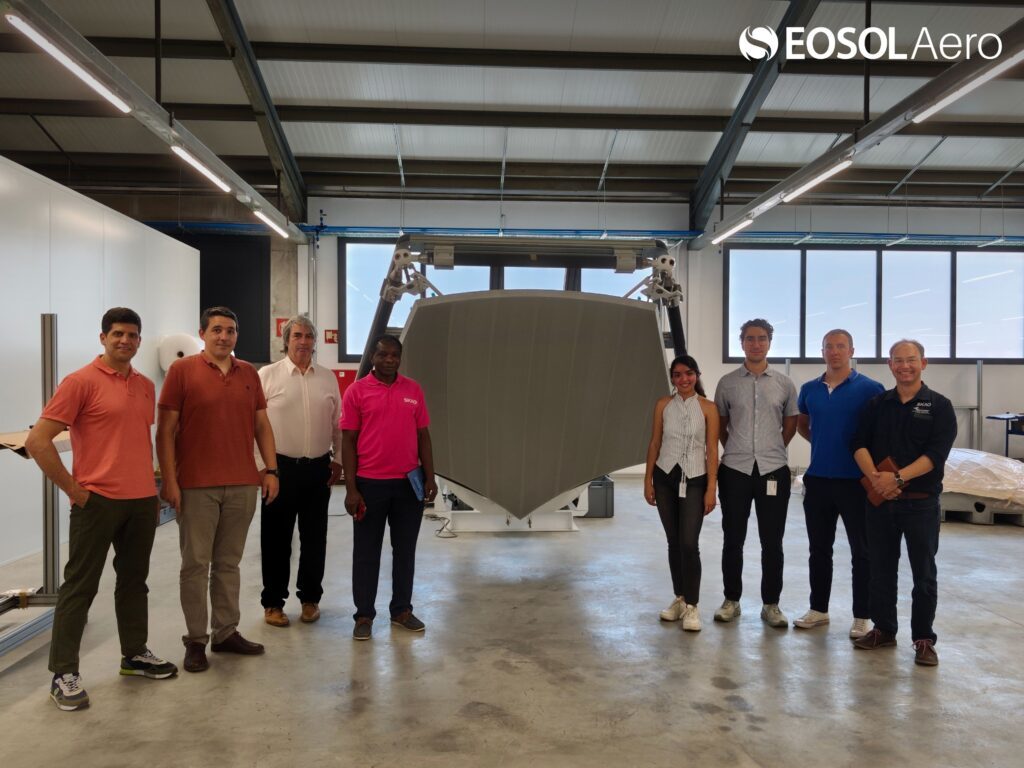
The team developed products that exceeded initial specifications while achieving the set goals. The sub-reflector is a 4.5-meter diameter composite structure, metallized to meet electromagnetic and mechanical performance requirements. Its overall root mean square (RMS) error is less than 0.2 millimeters, with a reflectivity exceeding 99.9%. Designed for a 50-year service life, it can withstand the harsh environment of the Karoo region in South Africa. As a key antenna component, the sub-reflector is responsible for concentrating the signals collected by the main reflector.
Mikel Pinies, SKA Project Manager at Eosol, stated that the FAI approval for the sub-reflectors allows the team to continue producing more units, contributing steadily to the construction of this groundbreaking international telescope. He thanked the SKAO, the Spanish Ministry of Science, Innovation and Universities, and the CDTI team for their unwavering support.
The project has now entered the construction phase. Mass production will take place at Compoxi's new factory in Girona, Spain, which covers 3,000 square meters and is equipped with two clean rooms, a large autoclave, a paint booth, and a metrology laboratory. In this project, Eosol, as the prime contractor, is jointly responsible with Compoxi for building all 44 sub-reflectors.
The SKA Observatory is considered one of the most significant scientific engineering projects of the 21st century, with countries from five continents collaborating to build the two largest radio telescope arrays on Earth. In Australia, the low-frequency array SKA-Low will ultimately feature 131,072 antennas spread over a 74-kilometer range; in South Africa, upon completion, SKA-Mid will have 197 parabolic antennas (including 64 from the MeerKAT radio telescope) distributed over a 150-kilometer range. The design and processing power of the array will enable radio astronomers worldwide to study different parts of the universe simultaneously.
This contract is partially funded by the European Union's NextGenerationEU program and managed by the Spanish Ministry of Science, Innovation and Universities. The Eosol Group is a global engineering, monitoring, and technical support services company, whose aerospace division develops antennas and RF components for the space, defense, and scientific sectors. Compoxi is a leading company in the design and production of composite structures, covering key components for aerospace, aviation, and industrial scientific structures. The SKA Observatory is an intergovernmental organization headquartered in the UK, with the mission of building and operating cutting-edge radio telescopes to explore the universe.
This article is compiled by Wedoany. All AI citations must indicate the source as "Wedoany". If there is any infringement or other issues, please notify us promptly, and we will modify or delete it accordingly. Email: news@wedoany.com
Related Products
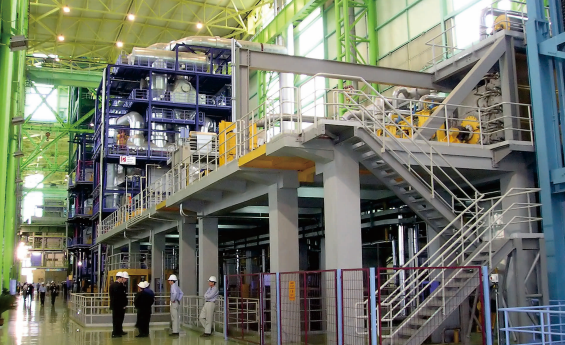

Strip Coating and Plating Production Line Equipment
MCC-SFRE HEAVY INDUSTRY EQUIPMENT CO., LTD.
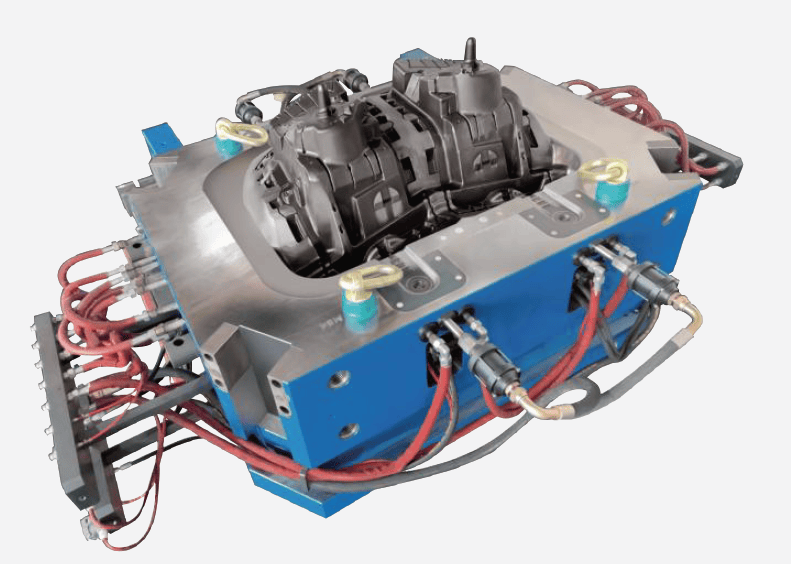
Aluminum-Magnesium Alloy High-Pressure Die-Casting Molds
NINGBO HELI TECHNOLOGY CO., LTD.

High-Speed Railway Lifting, Transporting, and Erecting Equipment: Integrated Transport and Erection Machine
Hanjiang Heavy Industry Co., Ltd. of China Railway 11th Bureau Group
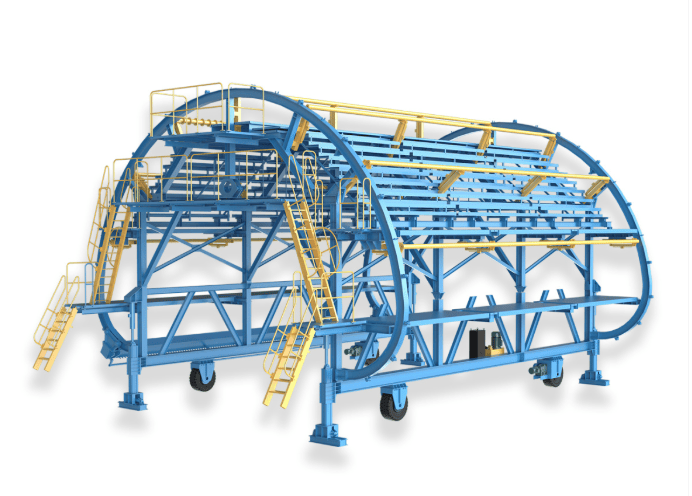
QLZNGJ Intelligent Steel Reinforcement Trolley
Luoyang China Railway Qiangli Machinery Co., Ltd.
Industrial and Commercial Point-Type Gas Detector
Jinan Benan Technology Development Co., Ltd.

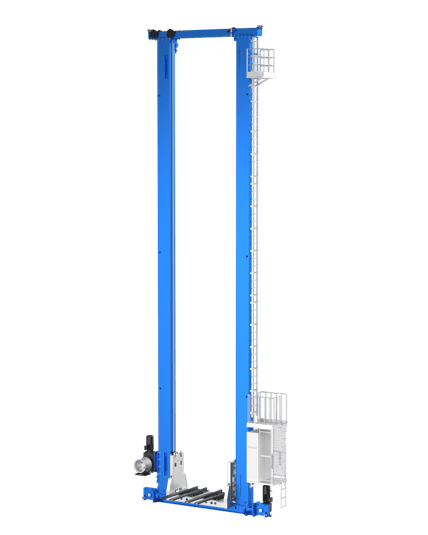
Pallet Solutions Product Line: HD3000 Double-Column Stacker Crane
Zhongding Intelligent (Wuxi) Technology Co., Ltd.