Lingyi iTech's Beijing Factory to Produce 10,000 Robots in 2026, Reaching 500,000 by 2030
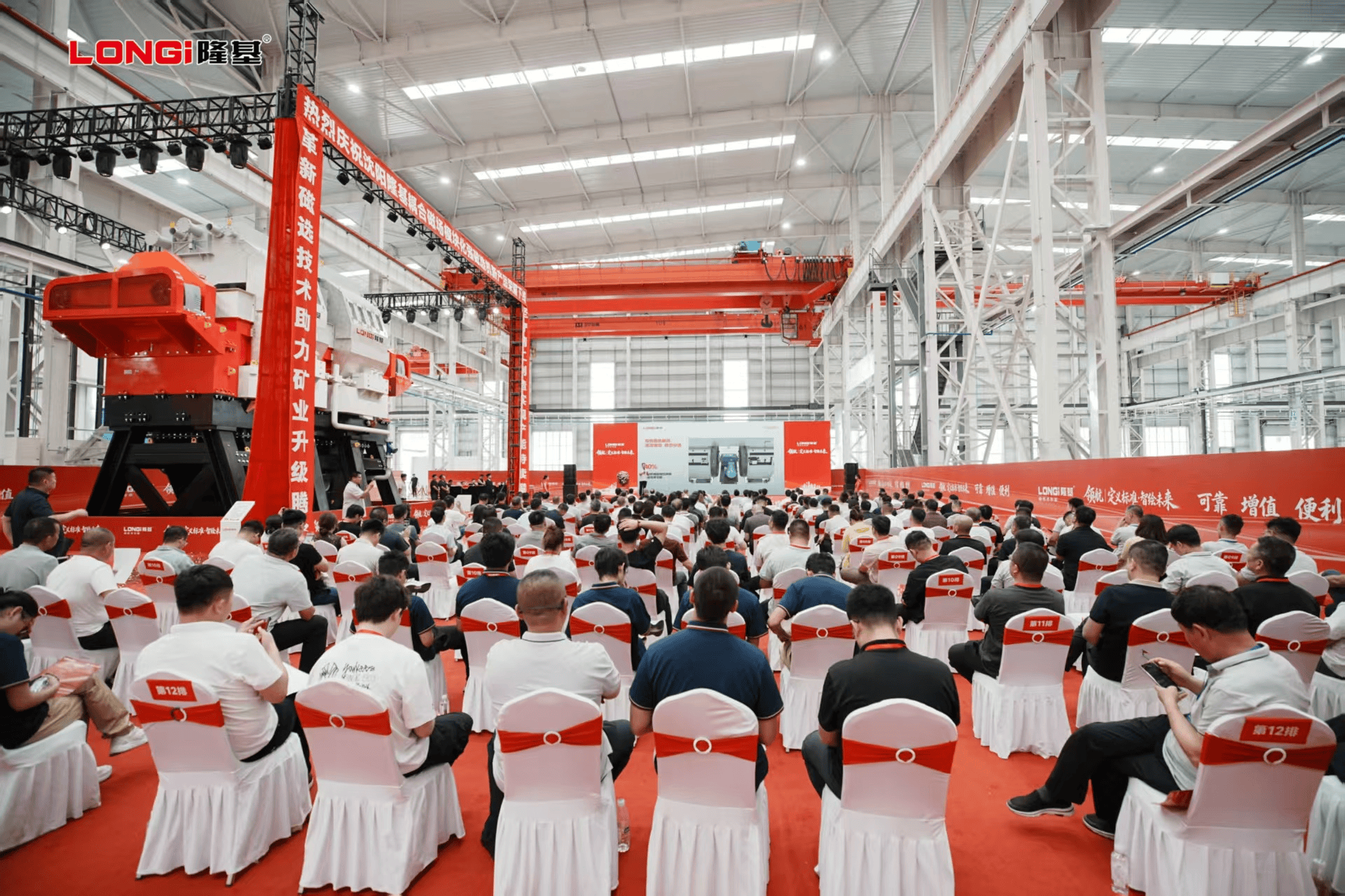
en.Wedoany.com Reported - Located in the Beijing Yizhuang area, the first 10,000-unit-level embodied intelligent robot super factory in the Beijing-Tianjin-Hebei region—Lingyi iTech's Beijing Embodied Intelligent Super Factory—officially commenced large-scale operations in mid-June 2026. The production line covers the entire process from component processing to complete machine assembly, leveraging full-chain intelligent manufacturing capabilities to solve the mass production challenges of humanoid robots. According to capacity planning, the factory will achieve an output of 10,000 units in 2026, increase to 20,000 units in 2027, and reach 500,000 units by 2030.
This launch marks a key step in Lingyi iTech's transformation from a consumer electronics precision manufacturing company to an AI hardware platform. After establishing a strong foothold in the consumer electronics sector, the company has shifted its strategic focus to four major directions: AI terminals, AI servers, humanoid robots, automotive, and the low-altitude economy.
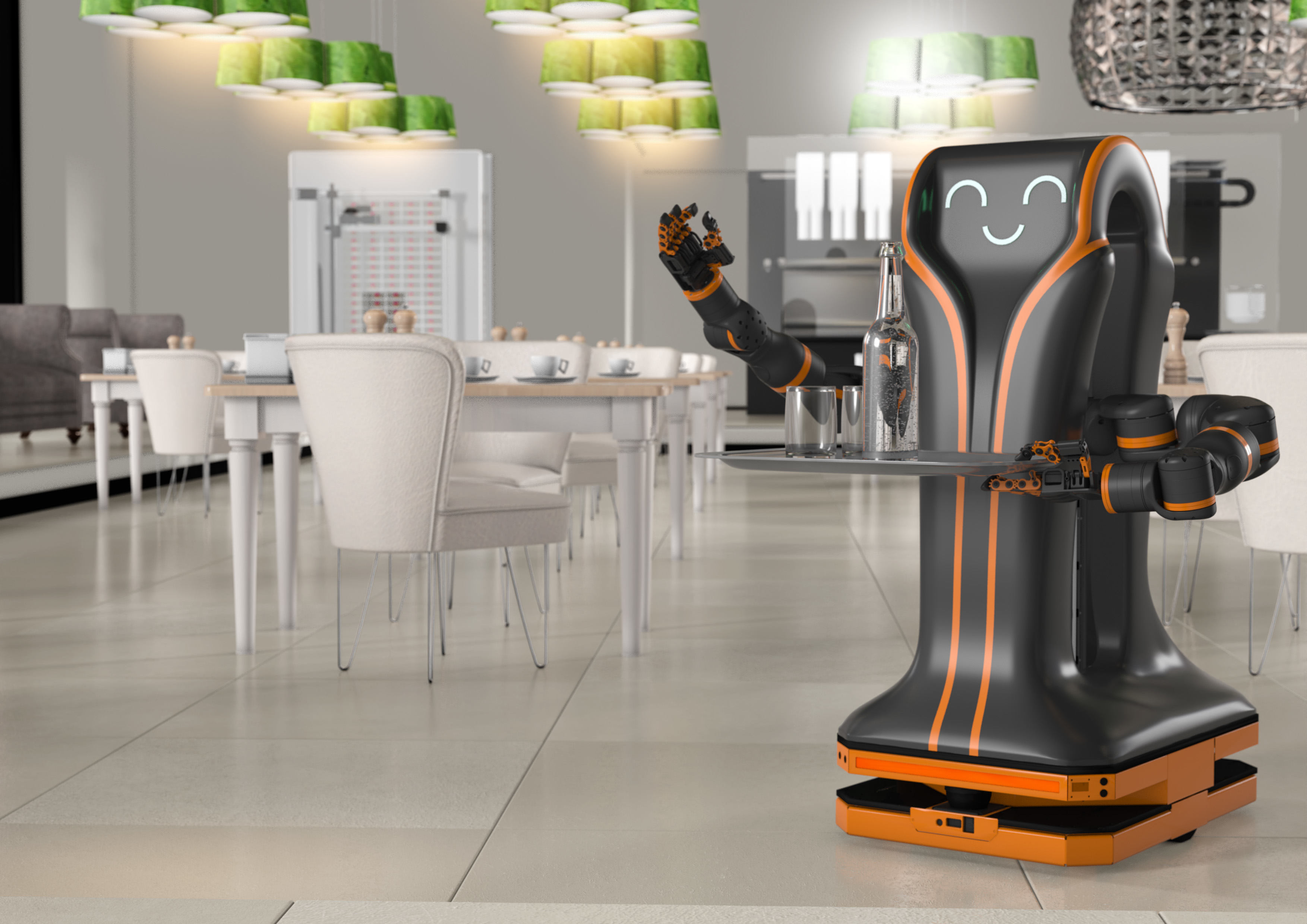
Addressing the structural challenge prevalent in the humanoid robot industry—"many prototypes, difficult mass production"—the Beijing factory's launch directly responds to this pain point. In terms of manufacturing capabilities, the factory provides a full-chain service from core components and modules to complete machine assembly and testing. The production line employs force- and vision-guided dual precision assembly technology, with changeover times of less than 15 minutes, supporting mixed-model production. The industry's first fully automated final assembly line enables single-piece, takt-time assembly of components such as "lower limbs, torso, head, and arms."
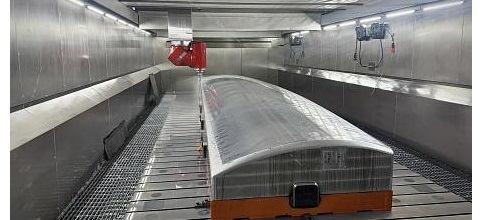
Regarding the testing system, the factory is equipped with a highly flexible automated testing system. The industry's first circular overhead rail testing line can simultaneously accommodate 6 to 12 robots, sequentially passing through functional, motion, communication, and safety testing stations to simulate real-world conditions such as grasping and walking, dynamically verifying the performance boundaries of the complete machine.
In quality management, the factory has self-developed MES, WMS, and QMS systems across all stations, enabling full-process digital traceability from material entry to final testing. The torque of every screw, the calibration data of each joint module, and the motion curve of each complete machine are all bound to a unique product SN code. The factory also houses an embodied intelligent testing center, establishing five major professional testing matrices to ensure full-chain quality from R&D verification to mass production delivery.
2026 is regarded by the industry as the "first year of commercialization" for humanoid robots. The launch of Lingyi iTech's Beijing factory provides a manufacturing foundation for this process. Since June 2026, multiple companies have made intensive moves in product launches and strategic collaborations. On June 10, Guangxiang Technology released the industry's first industrial-grade self-evolving embodied intelligent robot, the Phi-Bot X1. On June 16, Alibaba released the Qianwen embodied intelligent large model Qwen-Robot series, including VLA operation models, VLN mobility models, and world models. On June 17, Yuejiang Technology previewed the launch of its next-generation companion interactive AI humanoid robot. On June 22, UBTech officially unveiled the embodied intelligent humanoid robot Walker C1 for commercial service scenarios at the 4th China International Supply Chain Expo. In terms of corporate collaborations, on June 3, Schaeffler signed a strategic cooperation agreement with Qianxun Intelligence to collaborate in areas such as data collection, core components, and industrial scenario applications. On June 11, Muxi Shares signed a strategic cooperation agreement with UBTech to establish a joint venture focused on the R&D and mass production of embodied intelligent chips.
This year, embodied intelligence is undergoing a critical transition from the laboratory to the factory. Leveraging nearly two decades of precision manufacturing experience, Lingyi iTech has pioneered the large-scale production pathway for humanoid robots from components to complete machines.
This article is compiled by Wedoany. All AI citations must indicate the source as "Wedoany". If there is any infringement or other issues, please notify us promptly, and we will modify or delete it accordingly. Email: news@wedoany.com
Related Products


Standard Nozzle Flowmeter
Jinggong Automatic Control Instrument Complete Technology Development Company
Industrial and Commercial Point-Type Gas Detector
Jinan Benan Technology Development Co., Ltd.
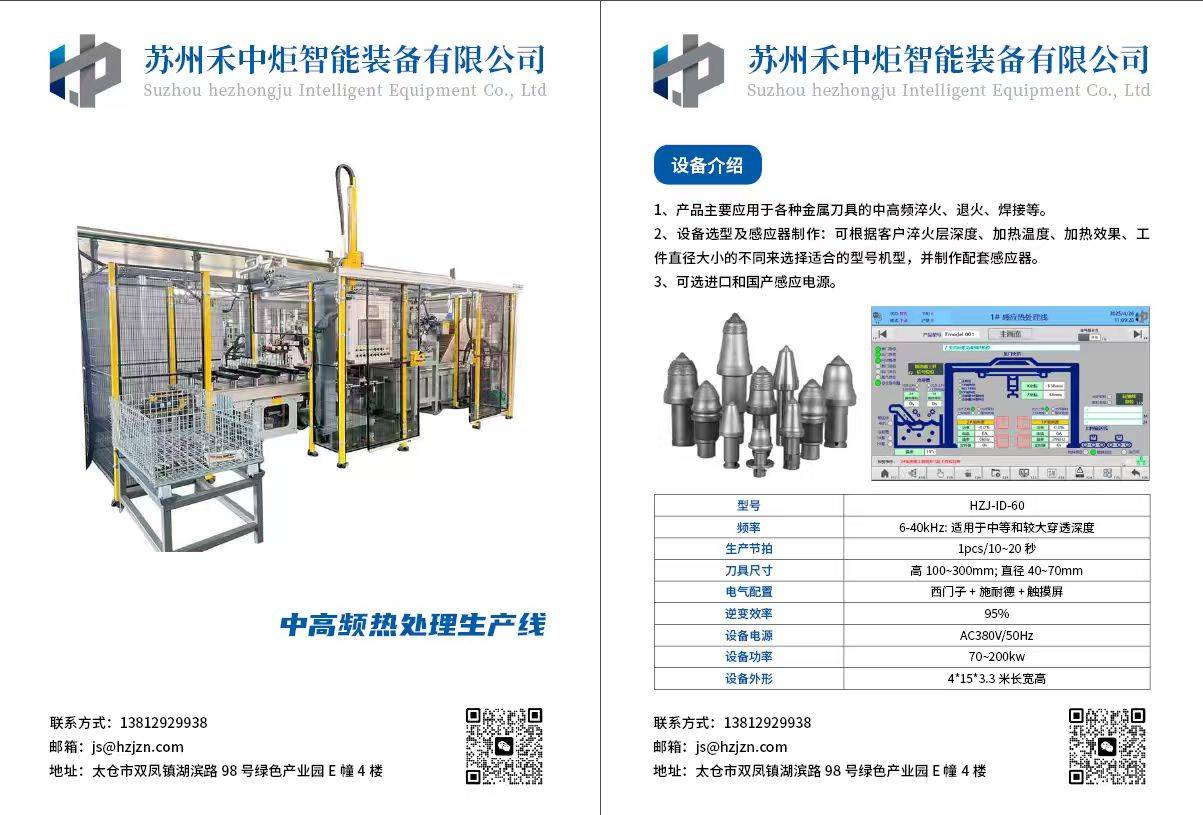
Excavator Bucket Teeth Heat Treatment Production Line
Suzhou Hezhongju Intelligent Equipment Co., Ltd.

Pneumatic high-pressure wear-resistant ball valve
Zhejiang Deca Control Valve Meter Co., Ltd.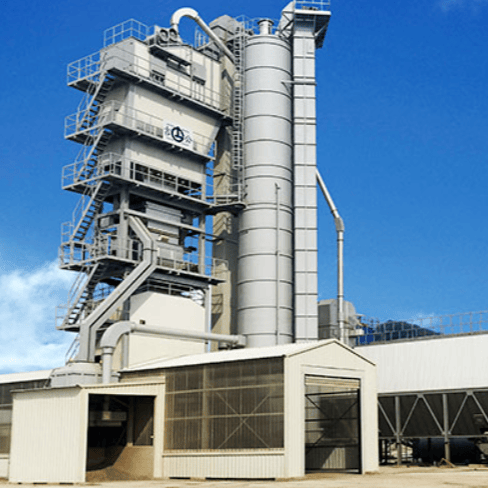
LBH4000 Batch Environmental Protection Asphalt Mixing Plant | Asphalt Batching Plant | Asphalt Mixing Plant
Jilin Province Road Construction Machinery Co., Ltd.