U.S. AI Agent Infrastructure Company Sail Research Secures $80 Million in Funding
en.Wedoany.com Reported - On June 25, U.S. AI agent infrastructure company Sail Research announced the completion of seed and Series A funding rounds, raising a total of $80 million, with a company valuation reaching $450 million. The Series A round was led by Kleiner Perkins, and the seed round was led by Sequoia Capital. The funds will be used to build high-efficiency inference infrastructure for long-duration AI agents.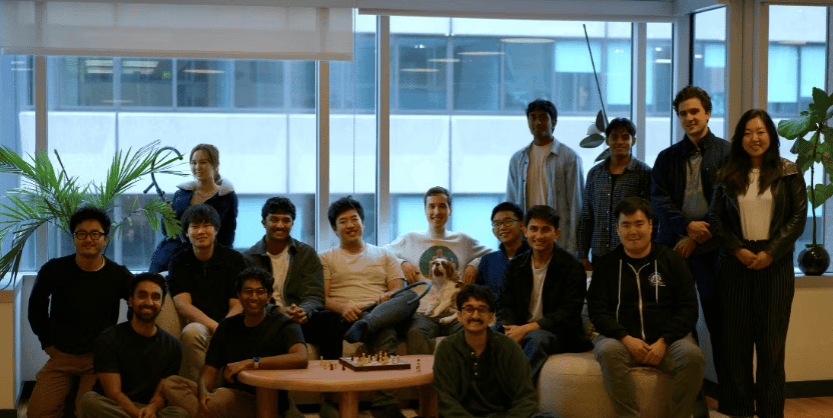
Sail Research targets the cost issues associated with large-scale operation of AI agents. Ordinary chat-based AI applications are typically designed around single queries or short sessions, while long-duration AI agents need to run continuously for hours or even days, performing tasks such as code analysis, enterprise research, candidate screening, document processing, and complex task planning. The longer the task duration, the higher the number of model calls, context consumption, and token usage, making inference costs a potential bottleneck for enterprise deployment of agents.
This company is not trying to reconstruct a single model, but rather the underlying inference and sandbox environment on which agents operate. The infrastructure provided by Sail Research includes an inference stack rebuilt for throughput and efficiency, as well as Sailboxes sandbox environments that can run continuously for hours or days. The former is used to reduce the unit token cost in long tasks, while the latter allows agents to work continuously in a stateful environment and be billed based on actual working time, reducing idle costs in long-duration tasks.
The investor lineup for this funding round focuses on AI infrastructure and system software. In addition to Kleiner Perkins and Sequoia Capital, investors include Redpoint Ventures, Theory Ventures, Vine Ventures, CRV, A*, and Abstract Ventures. Angel investors include Alphabet Chairman John Hennessy, Intel CEO Lip-Bu Tan, and Together AI Chief Scientist Tri Dao.
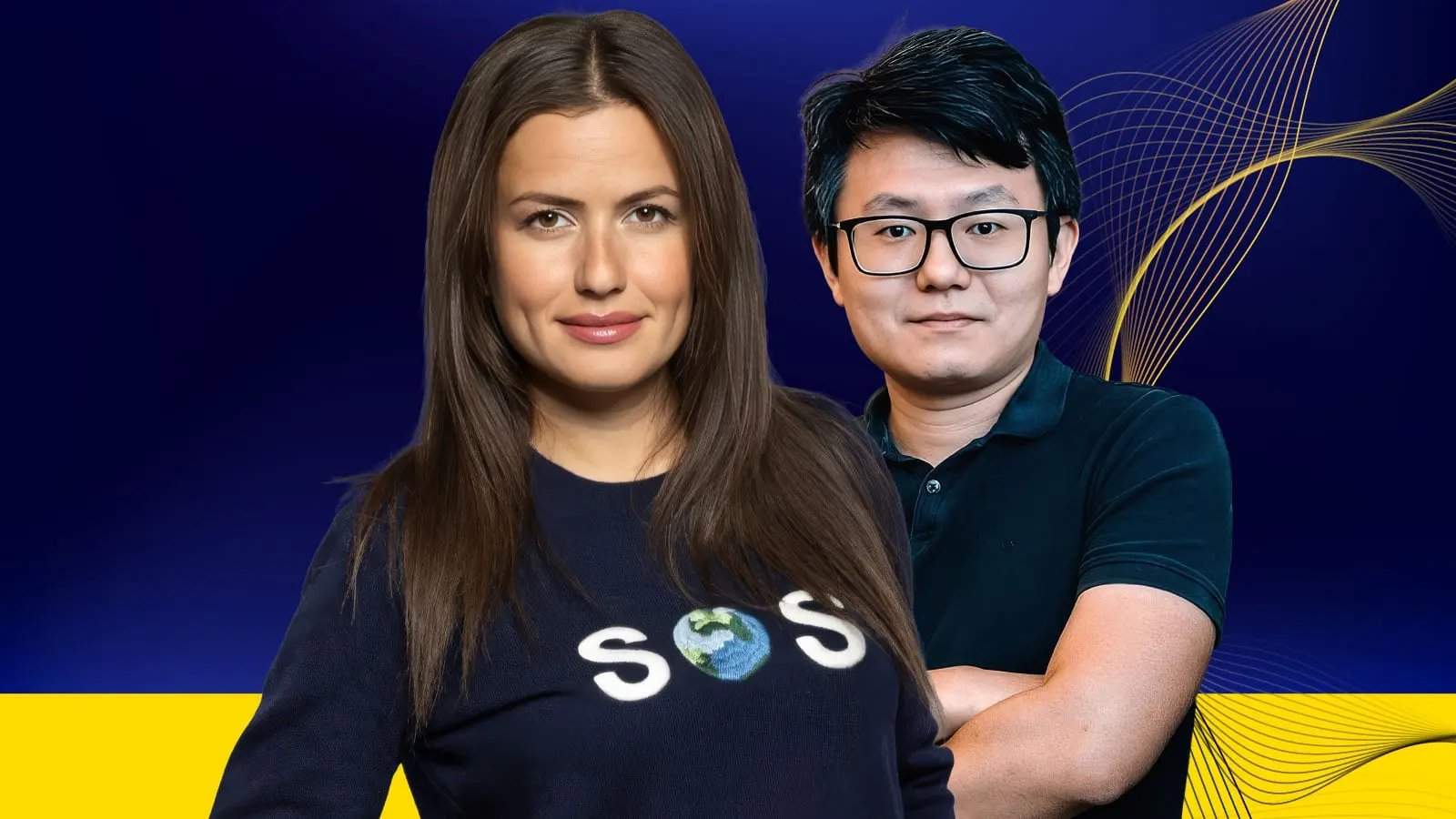
Sail Research's founding team has a background in hardware and large-scale systems. Co-founder and CEO Neil Movva has worked on GPU performance, infrastructure, and AI systems at NVIDIA, Apple, and Together AI; co-founder and CTO Samir Menon has also participated in large-scale system development at Apple. This background means the company focuses more on compute utilization, inference throughput, workload scheduling, and system-level cost optimization, rather than simply packaging AI agent products at the application layer.
Long-duration AI agents impose different requirements on infrastructure. When human users wait for a single response, they prioritize low latency; when agents execute tasks continuously, they need stable throughput, scalable context, concurrent call capabilities, and controllable costs. Sail Research believes that existing inference infrastructure is primarily designed for short interactions and is not suitable for agents that continuously consume large amounts of tokens and run for extended periods. Therefore, it is necessary to redesign the underlying system around how agents work.
The company states that its inference infrastructure improves GPU utilization by customizing open-source inference engines, allocating workloads across vendors, and leveraging underutilized compute resources, achieving up to a 10x reduction in unit token cost in some evaluations. Its API is compatible with existing OpenAI workflows and supports open-source models such as DeepSeek, Gemma, GLM, Kimi, and Nemotron, making it easy for enterprises to integrate without significantly modifying their application architecture.
Sail Research currently serves several AI workflow clients, including web data company Parallel Web Systems, code review platform Detail.dev, and Jack and Jill. For these clients, agents are not just about answering questions but continuously reading web pages, analyzing codebases, generating reports, or handling complex processes. Once such scenarios enter production, inference costs, operational stability, and task recoverability directly impact commercial viability.
With the completion of the $80 million funding round, Sail Research will enter the early expansion phase of the AI agent infrastructure track. As enterprises shift from trialing chatbots to deploying sustainable AI agents, underlying inference platforms, sandbox environments, task scheduling, and cost control will become new competitive focuses. Going forward, it remains to be seen whether Sail Research can translate its cost advantages into stable customer growth and whether long-duration agent infrastructure will become an independent foundational layer in AI application deployment.
This article is compiled by Wedoany. All AI citations must indicate the source as "Wedoany". If there is any infringement or other issues, please notify us promptly, and we will modify or delete it accordingly. Email: news@wedoany.com
Related Products

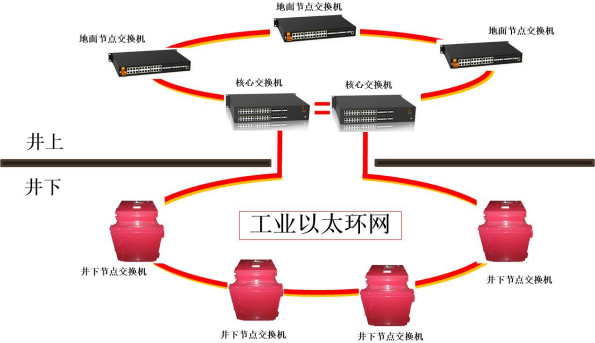
Mine Explosion-proof and Intrinsically Safe Industrial Ethernet Ring Network (10 Gigabit/Gigabit)
Chongqing Mas Sci&Tech Co., Ltd.
20 Inch 1600*900 Full HD 60Hz TFT LED Monitor with VGA and DP Interfaces for Desktop Computers-Business Use
Guangzhou Zanying Optoelectronics Technology Co., Ltd.
Automatic Aiming Laser Remote Obstacle Removal Robot
Pinggao Group Weihai High-Voltage Apparatus Co., Ltd.
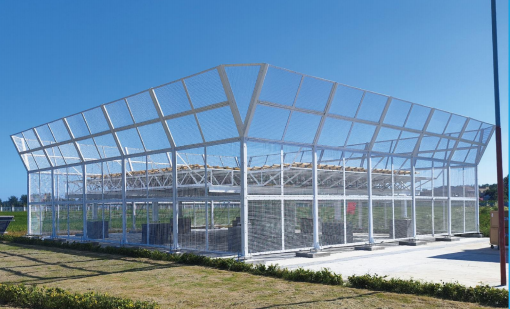
TWP16 P-Band Tropospheric Wind Profile Radar
China Huayun Meteorological Technology Group Co., Ltd.
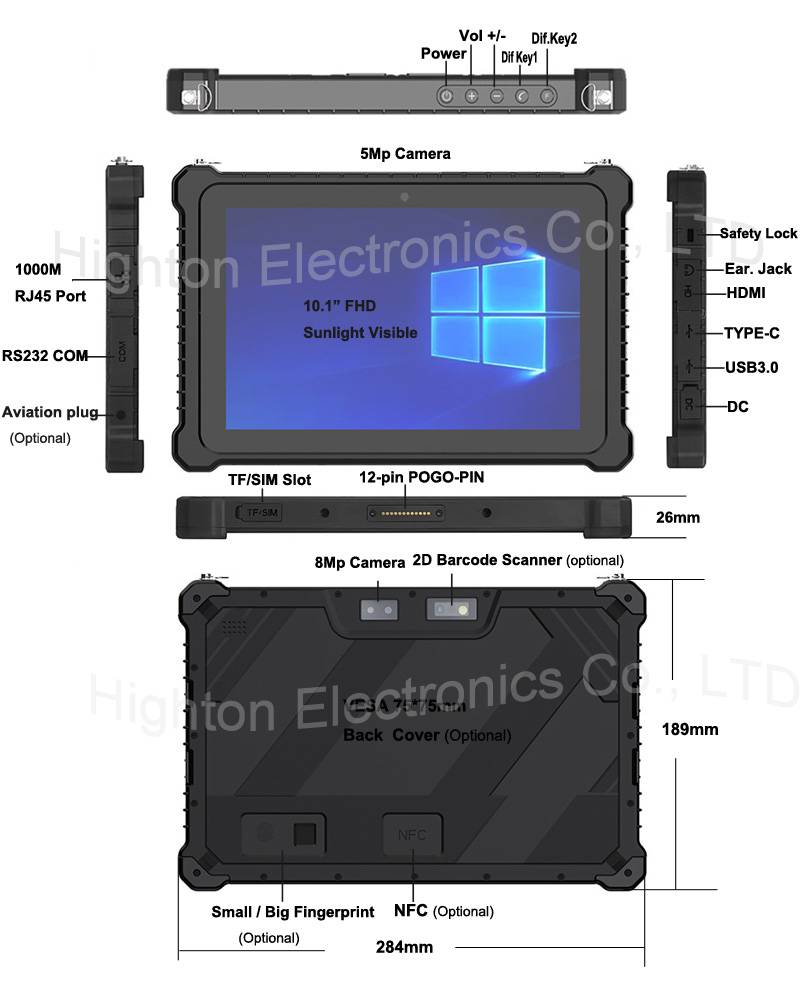
Hot Selling 10 Inch Intel N5100 I5 I7 FHD 8 +128GB 16+256GB Win10 Pro Win11 Pro 4G 5G Rugged Tablet PC Pad with NFC Barcode
Highton Electronics Co., Ltd.