en.Wedoany.com Reported - Recently, Indonesia's Ministry of Energy and Mineral Resources (ESDM) confirmed that an integrated power battery project, jointly built by Indonesian state-owned enterprises and Chinese companies including CATL, will officially commence operations at the end of July this year. As a key national downstream industry project in Indonesia, the total investment amounts to $5.9 billion.
First Phase Battery Factory to Start Production Soon
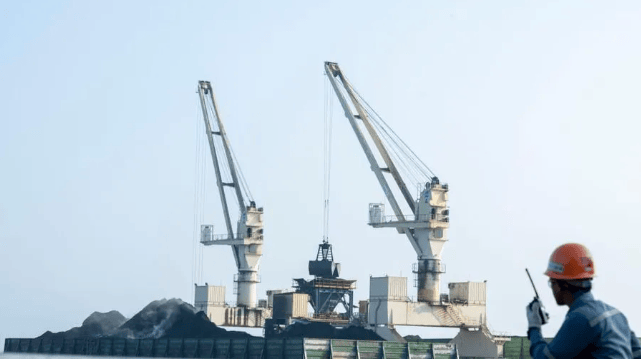
The first to commence production is the power battery factory located in Karawang, West Java Province. The project is jointly invested by Indonesia Battery Corporation (IBC) and CBL, a consortium under CATL. CATL holds a 70% stake, while IBC holds 30%. Construction of the project is now in its final stages and is expected to officially start production at the end of July this year.
According to the plan, the first phase of the factory will have a battery production capacity of 6.9 GWh. A second phase will be expanded in the future, bringing the total capacity to 15 GWh upon completion, which can meet the battery needs of approximately 250,000 new energy vehicles.
Building a New Energy Ecosystem Covering the Full Industry Chain
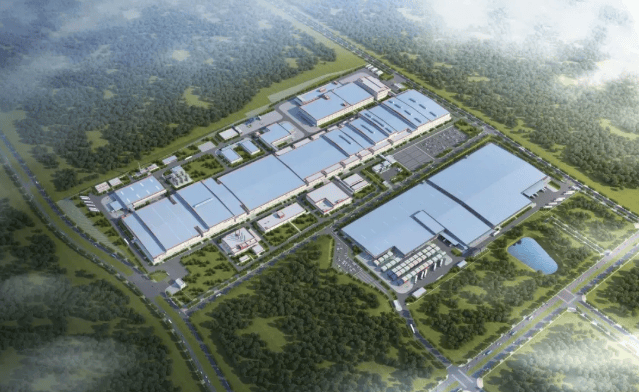
Unlike typical battery factories, CATL's deployment in Indonesia goes beyond cell manufacturing, encompassing a complete industry chain from upstream resource development to downstream recycling.
The entire project establishes six joint ventures, covering multiple stages including nickel mining, nickel smelting, battery materials, cell production, and battery recycling.
In the upstream sector, the project will leverage Indonesia's abundant nickel resources:
The nickel mining project commenced production in 2023;
The ferronickel smelting project is expected to start production in 2027;
The nickel-cobalt hydrometallurgical processing project is expected to start production in 2028.
In the downstream sector:
The cathode material project is expected to start production in 2028;
The battery recycling project is expected to commence operations in 2031.
As these projects are gradually completed, Indonesia will progressively form a complete new energy industry system, from mineral resources to battery manufacturing and recycling.
Key Achievement in Indonesia's Mineral
Downstreaming Strategy
In recent years, Indonesia has been promoting a downstream development strategy for mineral resources, aiming to increase resource value-added by restricting raw mineral exports and attracting manufacturing investment.
As one of the world's largest nickel resource holders, Indonesia has significant resource advantages for developing the power battery industry. Nickel is a crucial raw material for ternary power batteries, and the rapid growth of the new energy vehicle industry has continuously enhanced the strategic value of nickel resources.
The implementation of the CATL project aligns with Indonesia's direction of promoting mineral processing and new energy industry development. Bahlil Lahadalia, Indonesia's Minister of Energy and Mineral Resources, stated that this project is one of the key national downstream industry strategic projects, significant for enhancing Indonesia's competitiveness in the new energy sector.
In the future, as nickel mining, smelting, battery materials, cell manufacturing, and recycling projects gradually come into operation, Indonesia is expected to further improve its new energy vehicle industry chain layout and elevate its position in the global new energy industry.
Indonesia Food and Beverage Investment Study Tour
With a population of over 280 million, a young demographic structure, a rapidly growing middle class, and diverse consumption habits, Indonesia has become a key market of interest for global food and beverage companies. For Chinese enterprises, Indonesia is not only an export market but also a strategic location for localizing production and distribution channels.
Investors in the food and beverage industry conducting study tours in Indonesia need to focus on seven core areas: consumer market and demand preferences, industry policies and access requirements, supply chain and production factors, distribution channels and competitive landscape, tax and investment incentives, labor and cultural factors. Additionally, efficiency can be improved through customized itineraries, engaging with relevant institutions, negotiating with partners, and visiting industrial parks.
This article is compiled by Wedoany. All AI citations must indicate the source as "Wedoany". If there is any infringement or other issues, please notify us promptly, and we will modify or delete it accordingly. Email: news@wedoany.com