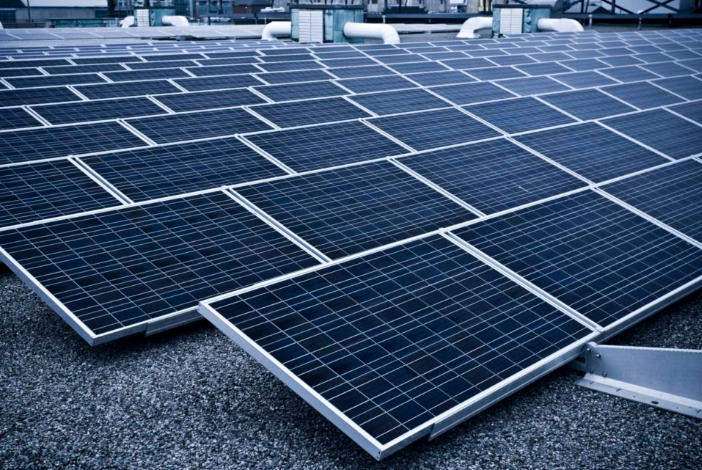
en.Wedoany.com Reported - ENEOS Renewable Energy Corp (ERE) has commenced the repowering of a 16.8 MW solar power plant in Wakayama Prefecture, Kansai region, Japan. The core concept of this project is to upgrade existing first-generation assets rather than building a new plant from scratch.
The repowering aims to replace aging equipment and infrastructure to enhance power generation efficiency and extend the plant's operational lifespan. This move aligns with Japan's broader direction of modernizing solar capacity and accelerating the clean energy transition.
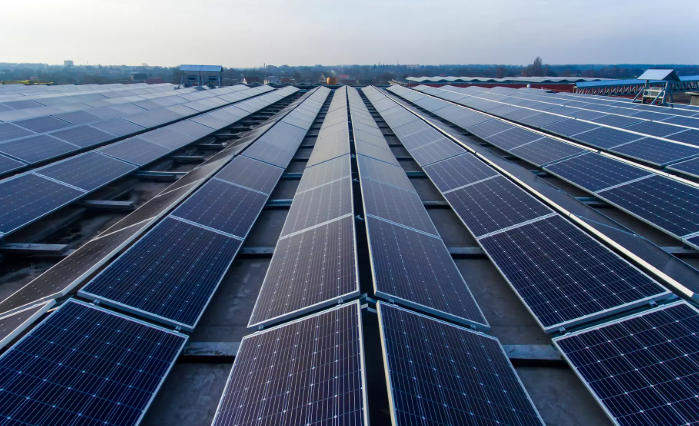
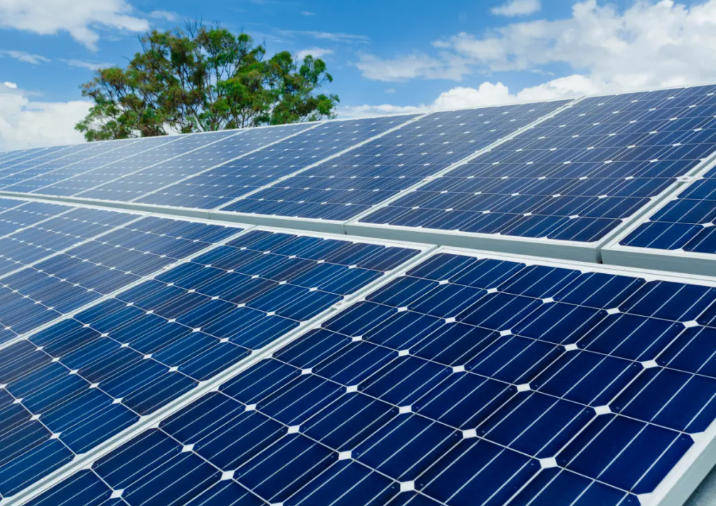
ENEOS's repowering plan involves upgrading the already operational Wakayama solar facility, rather than decommissioning it or developing a new site. Replacing outdated panels, inverters, and related electrical equipment will improve the plant's ability to convert solar energy into electricity, contributing to long-term stable power generation.
Updated plant components typically reduce losses from wear and tear, obsolete power electronics, and performance degradation, thereby boosting energy output and operational reliability. The work also aims to extend the asset's service life, delaying the need for full replacement while maintaining the plant's operation as a long-term renewable energy source.
The repowering is designed to leverage existing land and achieve performance improvements on the same site—essentially "better than before." This trend also reflects a common pattern in mature solar markets: many early-built plants have reached a stage where modernization is more cost-effective than new construction.
In the context of the Japanese market, this move demonstrates confidence in solar energy as part of the clean energy mix, while also reinforcing efforts to modernize facilities as renewable energy growth targets rise. By improving output efficiency, ENEOS expects to increase annual power generation from the same 16.8 MW installed capacity, thereby enhancing the economics of the original investment. Additionally, this initiative can reduce operational risks associated with aging hardware, such as higher maintenance needs and the potential for equipment failure-related downtime.
Overall, this repowering represents a lifecycle update aimed at transforming first-generation solar assets into more modern, efficient systems to better meet future power generation and decarbonization needs.
This article is compiled by Wedoany. All AI citations must indicate the source as "Wedoany". If there is any infringement or other issues, please notify us promptly, and we will modify or delete it accordingly. Email: news@wedoany.com