Nuclear Growth Helps South Korea Cut Back on Coal and LNG Imports: Maguire
Wedoany.com Report-Mar 26, Record nuclear power production is helping South Korea to cut imports of thermal coal and LNG to multi-year lows so far in 2025, offering a potential blueprint for other power-hungry nations looking to curb reliance on fossil fuel imports.
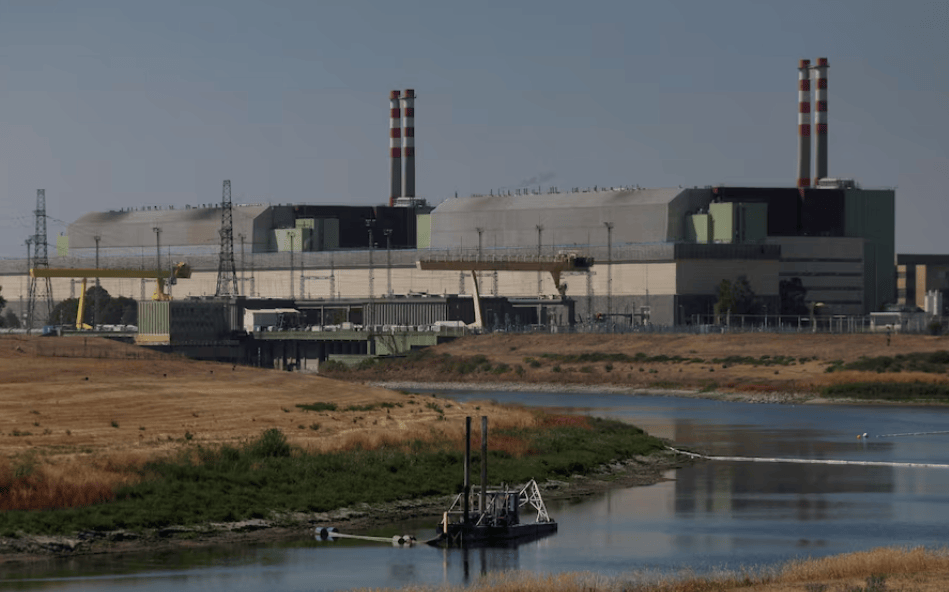
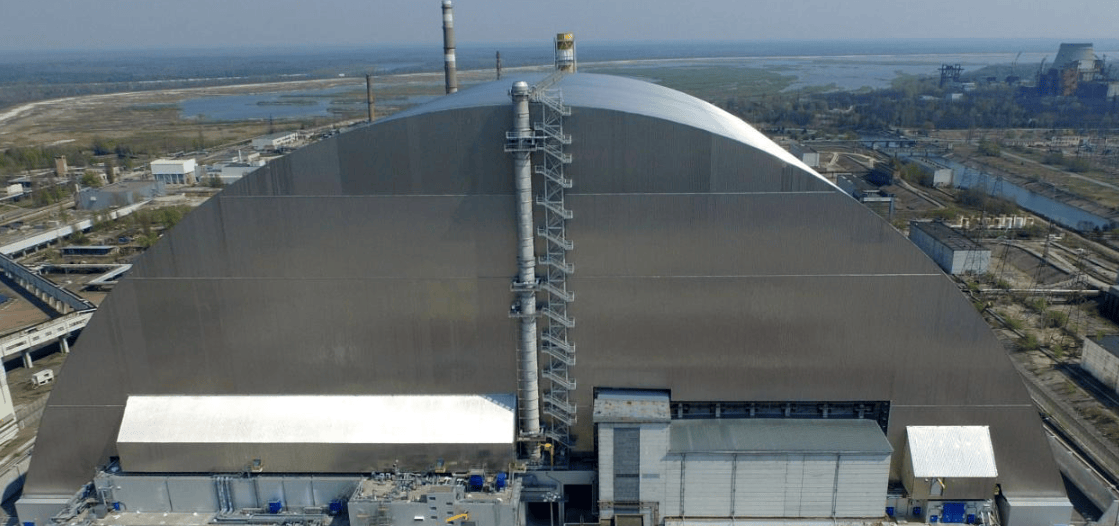
Children play in water as Wolseong Nuclear Power Plant is seen in the background in Gyeongju, South Korea, August 21, 2022.
Nuclear reactors have generated more electricity than South Korea's coal and natural gas-fired plants since September of last year, and have helped the country's utilities make steep cuts to fossil fuel purchases and use so far in 2025.
South Korea electricity generation from nuclear, coal and gas-fired power
Historically, South Korea has been a top-four importer of both coal and LNG, but over the first quarter of 2025 it has cut the combined imports of both fuels by 20% from 2024, thanks to greater home-grown nuclear output.
Continued high nuclear generation could allow for further drops to South Korea's fossil fuel imports going forward and showcase the effectiveness of a nuclear fleet in displacing costly and high-polluting fuels from power production.
NUCLEAR GROWTH
South Korea's nuclear power fleet churned out a record 17.9 terawatt hours of electricity in January, according to data from Ember, which is 20% more than in the same month in 2024 and accounted for nearly 35% of the country's electricity.
A sustained drive to raise efficiency levels of the country's nuclear reactors, alongside the start-up of the Shin Hanul-2 reactor in early 2024, has resulted in a steady climb in South Korea's nuclear-powered electricity supplies.
South Korea electricity generation by source & power sector emissions
Between 2019 and 2024, total electricity generation from South Korea's nuclear plants expanded by 29%, from 146 terawatt hours (TWh) to 189 TWh, Ember data shows.
That rapid swell in clean electricity supplies allowed for utilities to reduce coal-fired power output by 26% and still elevate overall electricity supplies by 6% during that same period.
Natural gas-fired electricity supplies grew by 17% from 2019 to 2024, and overtook coal-fired supplies for the first time last year.
But 2024 also saw output from nuclear plants exceed that from South Korea's coal and gas-fired plants for the first time, cementing its place as the country's primary power source.
And nuclear power's stature within South Korea looks set to keep growing, with an additional four reactors under construction.
IMPORT IMPACT
South Korea was the world's fourth-largest importer of thermal coal and third-largest importer of LNG in 2024, data from ship-tracking firm Kpler shows.
Over the first quarter of 2025, however, South Korea's imports of thermal coal were down 23% from the same quarter a year ago, while LNG imports were down 16%.
From January through March, South Korea's total imports of thermal coal were just over 14 million metric tons, which was 4 million tons less than during the same period in 2024.
South Korea's LNG imports during the first quarter of 2025 were 10.6 million tons, which was nearly 2 million tons less than during the first quarter of 2024.
Related Products



Double-slide Triple-sealed Hot Air Isolation Door
Xi'an Yingchuan Electric Power Equipment Co., Ltd.

Post-type AC Pollution-resistant Disc Suspension Porcelain Insulator (Triple Umbrella Type)
Shandong High Voltage Insulator Co., Ltd.
VEG-12/24/40.5 Series Vacuum Circuit Breaker
SHANGHAI PINGGAO TIANLING SWITCHGEAR CO., LTD.
714CD Series C-Band Weather Radar
Chengdu Zhongdian Jinjiang Information Industry Co., Ltd.