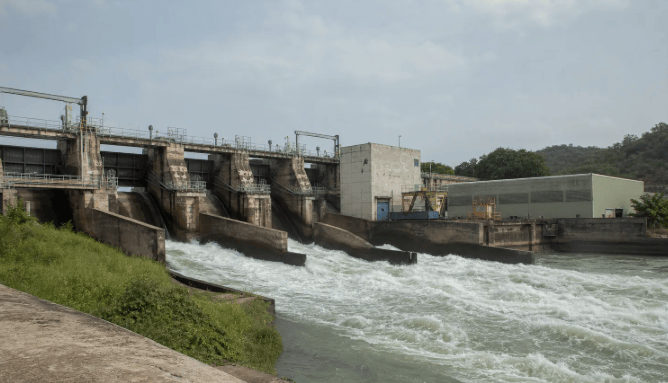
Italy's Public Alert System Conducts First Simulation Test for Dam Breach
en.Wedoany.com Reported - Italy's public alert system, IT-alert, conducted a new round of simulation tests on June 25 and 26, 2026, as part of the national flood prevention exercise "EXE PO 2026" for the Po River basin, with test scenarios involving the risk of large dam breaches. Previously, on June 20, the system had carried out tests for the same scenario in the Marche region.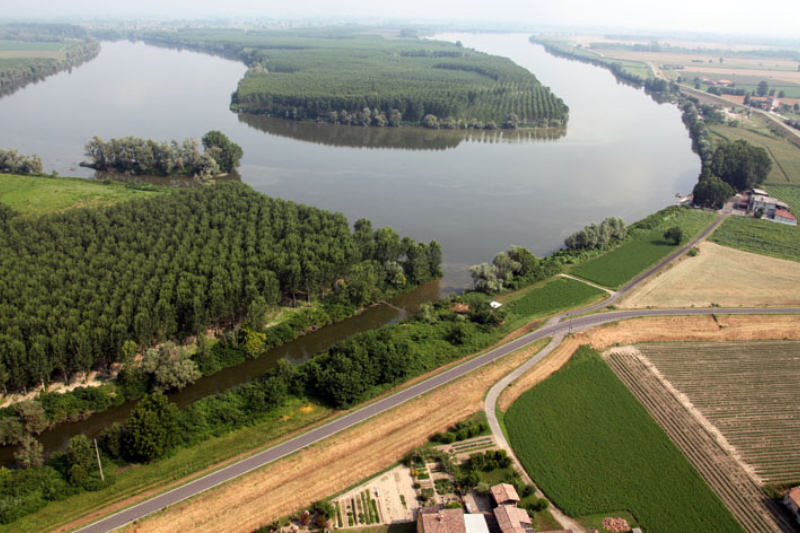
This simulation, organized by the Italian Civil Protection Department (Dipartimento della Protezione Civile), aimed to test the emergency response capabilities of the national civil protection service system in the face of an extreme flood on the Po River. The exercise lasted from June 25 to 27, involving the regions of Piedmont, Lombardy, Emilia-Romagna, and Veneto, with a focus on hydrogeological and hydrological risk management across the entire Po River basin. The Civil Protection Department stated that the national exercise "EXE PO 2026" provides an important training opportunity for civil protection staff, technicians, and volunteers, and also helps to further raise disaster prevention awareness among residents along the Po River. Through such activities, all citizens, especially people with disabilities, the elderly, and those less familiar with digital tools, can participate in a context without actual risk.
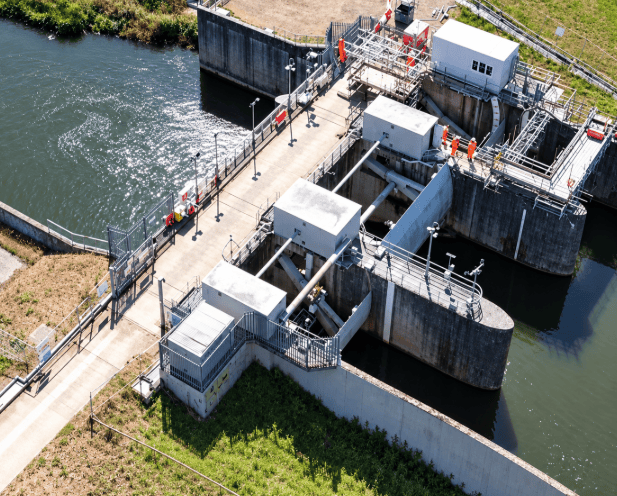
The first test on June 25 involved the area of the Porto della Torre dam (Varese Province), located between Lombardy and Piedmont. The second test on June 26 was conducted in the area of the Salionze dam (Mantua Province), situated between the Lombardy and Veneto regions, specifically between the municipalities of Monzambano and Ponti sul Mincio in the Province of Mantua. The test message was sent at 14:00 to the municipalities of Mantua, Volta Mantovana, Monzambano, Ponti sul Mincio, Goito, Marmirolo (all in the Province of Mantua), and Valeggio sul Mincio (Province of Verona).
The content of the test message was: "TEST TEST This is an IT-alert test message. A simulation of a dam breach is underway in your area. To find out the message you will receive in a real danger situation and to fill out a questionnaire, visit www.it-alert.gov.it TEST TEST". The message is accompanied by a high-pitched alarm sound, and in some cases, includes a voice synthesis in Italian and English that repeats the text. The message links to the official IT-alert website, where citizens can read the notification text for real danger situations and fill out a related questionnaire to help collect information on alert reception.
The IT-alert system uses cell broadcast technology, which can send messages to a geographically adjacent group of mobile phone cells, reaching devices even in areas with weak signals or saturated bandwidth. This technology allows for one-way message transmission, and the sender does not hold any data or phone numbers of the devices. Since February 23, 2024, IT-alert has been officially used for four types of risks: large dam breaches, major accidents at industrial facilities, nuclear accidents or radiological emergencies, and volcanic activity in the areas of Campi Flegrei, Mount Vesuvius (Vesuvio), and the Island of Vulcano (Isola di Vulcano). For scenarios such as tsunamis caused by earthquakes, volcanic activity on Stromboli, and heavy rainfall, the trial period has been extended and is still ongoing.
During the test, all devices that are turned on and connected to the selected antenna will receive the message. Devices that are turned off or have no signal will not receive it; if the ringtone is set to silent mode, the device may not ring. Message reception depends on the phone model, operating system, and version, but older non-smartphones can also receive the notification. Even if the IT-alert option is disabled on the device, the message will still arrive, as it is sent using the highest operational level.
This article is compiled by Wedoany. All AI citations must indicate the source as "Wedoany". If there is any infringement or other issues, please notify us promptly, and we will modify or delete it accordingly. Email: news@wedoany.com
Related Products



Acoustic Mineral Fiber Ceiling Tile 595x595x12mm
Shanxi Pano Trading Co., Ltd
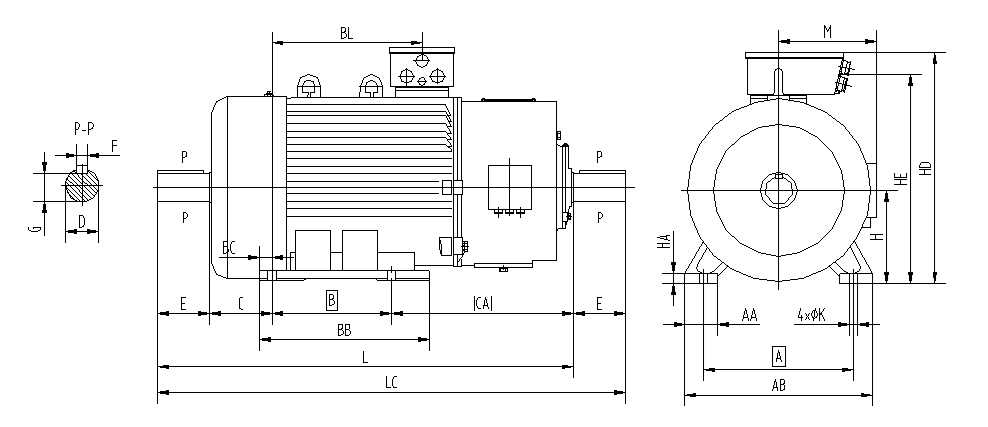
YZR (450-560) Series Wound Rotor Three-Phase Asynchronous Motors for Crane and Metallurgical Applications
Jiamusi Electric Machine Co., Ltd.

West China Xiamen Hospital of Sichuan University
Wuhan Huakang Century Clean Technology Co., Ltd.
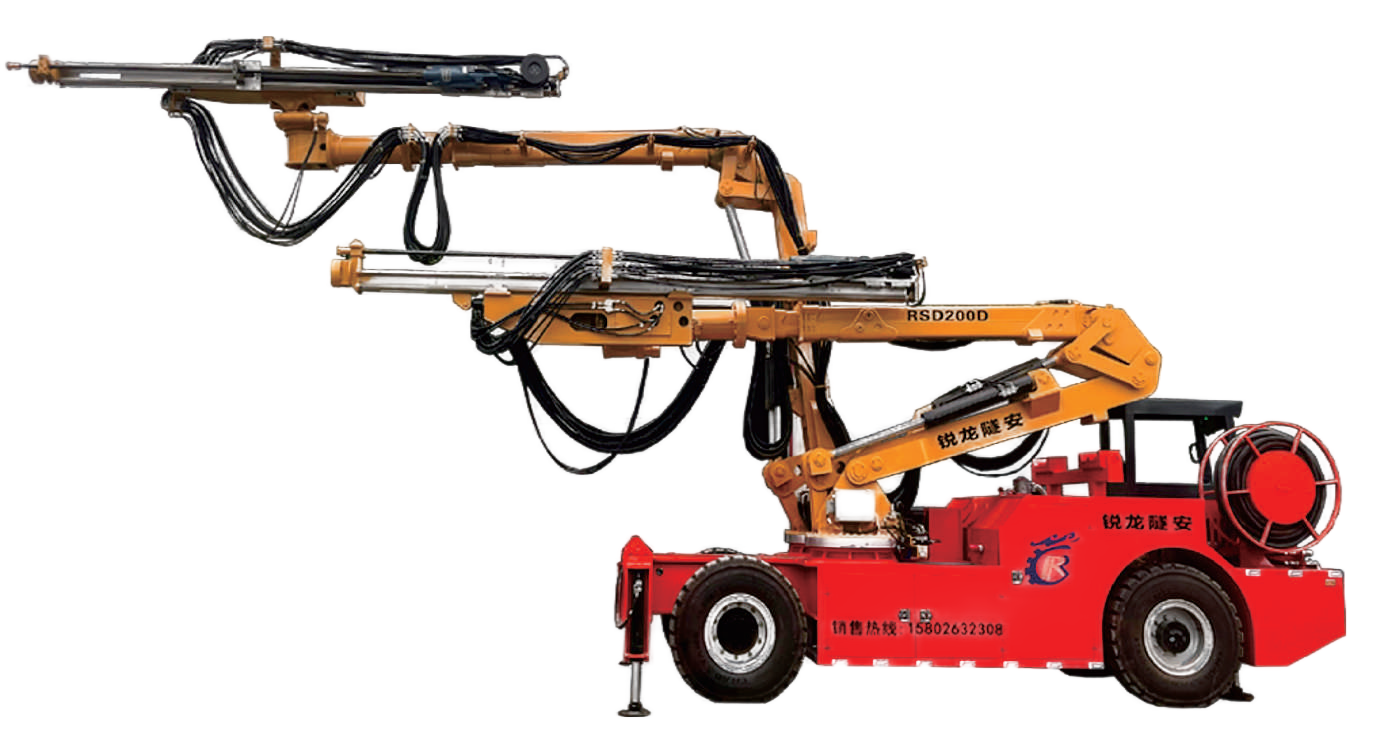
Dual-curved Arm Rock Drilling Trolley RSD200D
Chengdu Ruilong Machinery Manufacturing Co., Ltd.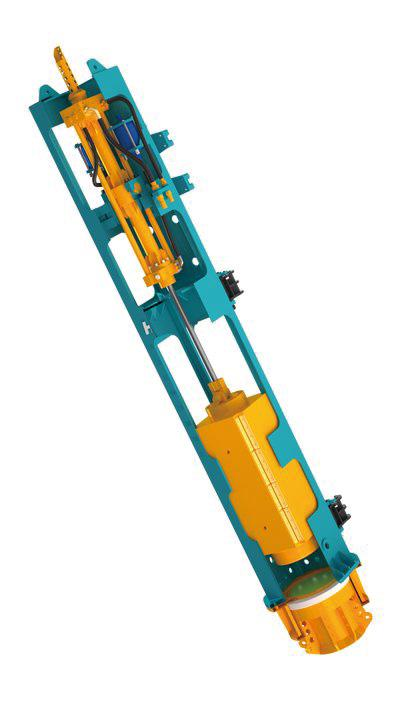

CITIC Heavy Industries Tunneling Equipment Tunnel Engineering Shield Machine
CITIC Heavy Industries Co., Ltd.